 Save
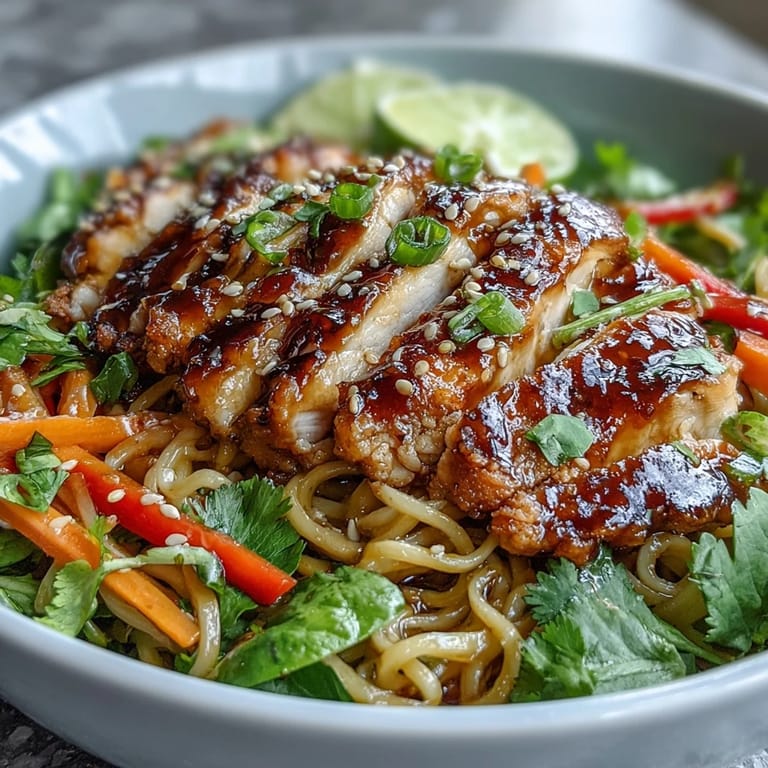
Save There's something about the smell of sesame oil hitting a hot wok that instantly transports me to a tiny noodle shop in Bangkok, except I'm standing in my own kitchen with the windows fogged up and my roommate hovering hopefully nearby. This bowl came together one rainy Tuesday when I was craving something bright and intentional, not just whatever was easiest to throw together. The magic isn't in any single ingredient but in how they all decide to play nicely together, creating something that tastes way more complicated than the forty minutes it actually takes.
I made this for my sister the first time she visited after moving across the country, and watching her close her eyes after that first bite made me realize I'd accidentally created something worth repeating. She kept asking what the secret was, and the honest answer was that there isn't one beyond paying attention to how the components balance each other. That meal became our thing, and now whenever she mentions missing home, I know exactly what to make.
Ingredients
- Boneless, skinless chicken breast or thighs (500 g, thinly sliced): Thighs stay more forgiving if you overcook them slightly, but breast works beautifully if you slice against the grain and don't let the marinade sit longer than needed.
- Tamari or low-sodium soy sauce (3 tbsp): Tamari brings a rounder, less harsh saltiness compared to regular soy sauce, which matters when this is your primary seasoning.
- Fish sauce (1 tbsp): Yes, it smells like low tide in a questionable harbor, but trust that it dissolves into umami magic and doesn't announce itself in the final dish.
- Rice vinegar (2 tbsp): The acidity keeps everything from tasting flat and one-note, which is the difference between memorable and forgettable.
- Honey (1½ tbsp): A touch of sweetness rounds out the sharp notes and helps the sauce cling to everything instead of just puddling at the bottom.
- Toasted sesame oil (2 tbsp): The toasted kind has actual flavor, unlike the pale refined stuff, and a little goes a long way so don't be tempted to double it.
- Neutral oil (2 tbsp): This keeps the sesame oil from burning in the hot pan while you're cooking the chicken.
- Garlic (3 cloves, minced): Fresh garlic matters here because it's raw in the sauce and you want it to taste like intention, not like you opened a jar.
- Ginger (1 tsp, freshly grated, optional): If you have it, use it because it adds a subtle warmth that makes the whole thing feel more cohesive.
- Chili flakes or Sriracha (1 tsp, optional): Heat is entirely your call, but a tiny bit lifts the whole flavor profile without overwhelming anyone at the table.
- Rice noodles (250 g, dried): They cook fast and absorb sauce beautifully, though wheat noodles work if you prefer something heartier.
- Carrot (1 medium, julienned): The sweetness balances the savory sauce and the texture stays pleasant because you're not cooking it.
- Cucumber (1 small, thinly sliced): This adds a cooling element that keeps the bowl from feeling heavy, especially important if you add the chili heat.
- Bell pepper (1, thinly sliced): Any color works, but I lean toward red or yellow because they taste brighter than green.
- Spring onions (4, sliced): The white parts add bite and the green parts add visual life, so don't skip them even if you're tempted.
- Bean sprouts (100 g): These are your textural wildcard, adding that satisfying crunch that makes eating fun instead of just fuel.
- Fresh cilantro (2 tbsp, chopped): If you're someone who tastes soap instead of cilantro, skip it or swap in fresh mint or Thai basil.
- Toasted sesame seeds (2 tbsp): Toast them yourself if you can because that five minutes of effort creates a flavor difference you'll absolutely taste.
- Lime wedges (to serve): Fresh lime juice right before eating brightens everything and makes people feel fancy.
Tired of Takeout? 🥡
Get 10 meals you can make faster than delivery arrives. Seriously.
One email. No spam. Unsubscribe anytime.
Instructions
- Make your sauce foundation:
- Whisk together the tamari, fish sauce, rice vinegar, honey, toasted sesame oil, neutral oil, minced garlic, and ginger in a medium bowl until everything is combined and the honey is fully dissolved. Divide this mixture in half, setting one portion aside for drizzling and using the other to coat your chicken in a separate bowl.
- Let the chicken marinate:
- Give the chicken about fifteen minutes in its marinade so the flavors actually penetrate instead of just sitting on the surface. This is a good time to prep your vegetables so you're not scrambling when the chicken hits the pan.
- Cook your noodles:
- Follow the package instructions for your specific noodles, but always cook them a minute less than suggested because they'll continue softening slightly in the bowl. Drain them in a colander and rinse with cold water until they're cool enough to handle, which stops them from sticking together.
- Cook the chicken until golden:
- Heat your skillet or wok over medium-high heat and add the marinated chicken, letting it sit undisturbed for the first minute or two so it actually browns instead of steaming. Cook for five to seven minutes total, stirring occasionally, until the meat is cooked through and the edges have taken on some color.
- Assemble your bowls:
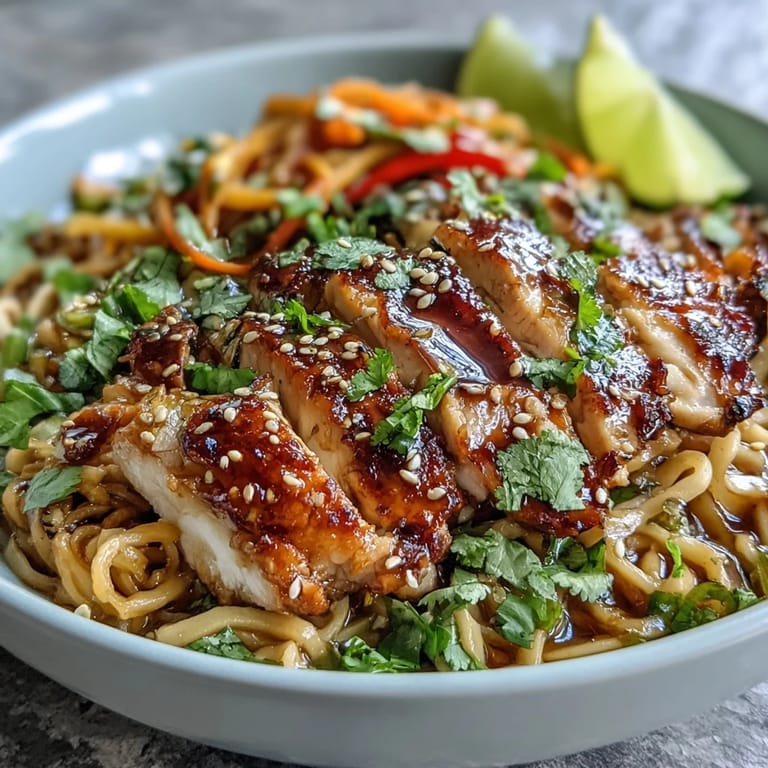
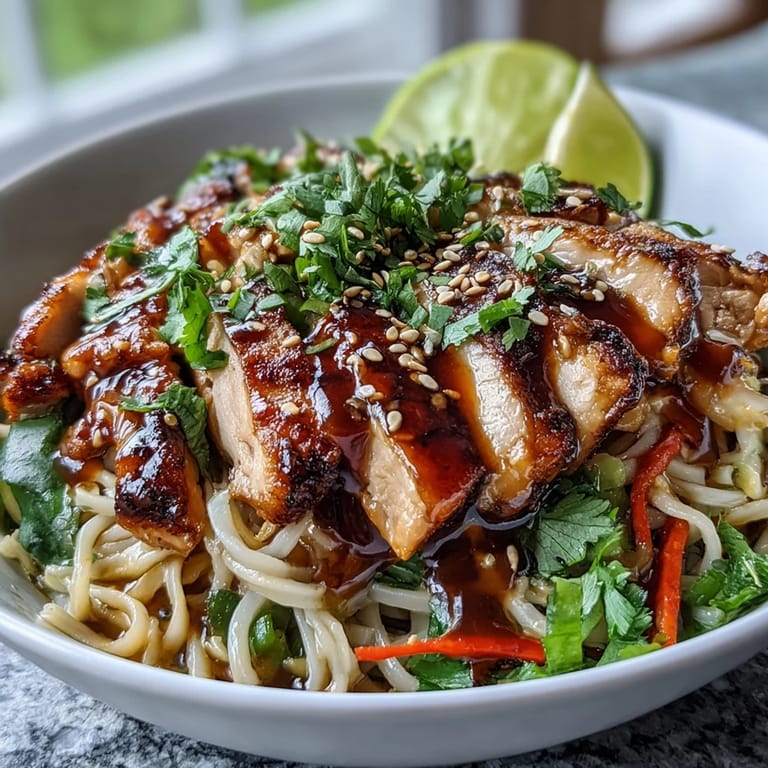
- Divide the cooled noodles among four bowls, then arrange the cooked chicken and all your raw vegetables on top in whatever arrangement makes you happy. This is the part that actually determines whether someone wants to eat it or take a photo first.
- Dress and finish:
- Drizzle your reserved sauce over each bowl, scatter cilantro and toasted sesame seeds across the top, and squeeze fresh lime juice directly over everything. Serve immediately while the chicken is still warm and the vegetables are still crisp, with extra chili flakes on the side for people who like living dangerously.
 Pin it
 The first time someone asked me for this recipe, I realized it had quietly become the thing I make when I want to feel like I'm cooking something real, not just assembly-lining components. That moment mattered more than I expected.
Why the Sauce Actually Makes the Difference
I spent years making mediocre noodle bowls until I stopped thinking of the sauce as optional garnish and started treating it as the actual star of the show. The balance of salt, acid, sweetness, and umami is what separates interesting from boring, and when you take thirty seconds to whisk it properly instead of just splashing things together, your entire bowl transforms. This is why the reserved sauce matters as much as the marinade.
Making It Your Own Without Breaking Anything
Once you understand how these components work together, you can absolutely substitute and adjust based on what's actually in your fridge and what your body is craving that day. Tofu replaces the chicken seamlessly if you skip the fish sauce and use tamari instead, while snap peas or shredded cabbage slide in wherever you want more vegetable bulk. The sauce formula stays the same, so as long as you keep that balance intact, you're golden.
The Details That Actually Matter
Most people overlook the small moments that actually determine whether this tastes restaurant-quality or like something you threw together in a hurry. Slicing your chicken against the grain so it's tender, toasting your own sesame seeds to unlock their full nuttiness, and squeezing fresh lime at the very end instead of adding it to the sauce all create a cumulative difference that your mouth will definitely notice. The magic is real, but it's built on tiny intentional choices rather than any secret ingredient.
- Cold noodles in a warm bowl with hot chicken creates a temperature play that keeps eating interesting instead of one-temperature monotony.
- Don't marinade the chicken longer than fifteen to twenty minutes or the acid starts breaking down the texture in ways that aren't pleasant.
- If someone at your table is heat-sensitive, serve the chili flakes on the side so everyone can customize their own experience.
 Pin it
 This bowl has become my answer to the question of what to cook when someone's had a rough day or when I need to prove to myself that I still know how to make something intentional. That's exactly what it should be for you too.
Frequently Asked Questions
- → Can I make this dish vegetarian?
Substitute chicken with firm tofu cubes and replace fish sauce with a vegetarian alternative or additional soy sauce. Marinate tofu for 10-15 minutes before cooking.
- → What other vegetables work well in this bowl?
Add edamame, snap peas, shredded cabbage, bok choy, or mushrooms. These vegetables complement the Asian flavors and add varied textures.
- → Can I prepare this ahead of time?
Yes, slice vegetables and prepare the sauce up to 24 hours in advance. Cook noodles and chicken just before serving for the best texture and flavor.
- → What type of noodles work best?
Rice noodles are traditional and gluten-free. Alternatively, use wheat noodles, soba, or udon for different textures and flavors.
- → How can I adjust the spice level?
Increase chili flakes or Sriracha for more heat. For a milder version, omit the chili altogether or serve hot sauce on the side.
- → What can I serve with this noodle bowl?
Pair with dry Riesling, green tea, or a light Asian-style salad. Spring rolls or dumplings make excellent appetizers.