 Save
Save I discovered this soup on a gray November afternoon when my farmers market haul included three butternut squashes I hadn't planned for. My roommate was under the weather, and I wanted to make something that felt like a warm hug in a bowl. The moment those roasted squash cubes hit the pot with the spices, the kitchen transformed into something almost medicinal, and I realized I was cooking something that would become a regular rotation in my life.
My neighbor came over one October evening when the first real chill of fall arrived, and I ladled this into mismatched bowls we found in my cabinet. She took one spoonful and went quiet, and I watched her shoulders relax in a way I hadn't seen in weeks. That's when I understood this wasn't just lunch—it was the kind of food that reminds people they're being taken care of.
Ingredients
- Butternut squash: Roasting it first concentrates its natural sweetness and prevents that watery soup feeling you get from boiling it raw.
- Red lentils: These are the magic ingredient because they break down into the broth without needing to be pureed separately, creating that velvety texture.
- Carrots and onion: The aromatics that build your flavor base, and I always give them a good sauté before adding anything else.
- Garlic: Mince it fresh right before using—jarred garlic can taste a little tinny against these warm spices.
- Vegetable broth: Use one you actually like drinking because it's the backbone of the whole thing, not an afterthought.
- Cumin, coriander, paprika, and cinnamon: This combination creates warmth without being heavy, and the cinnamon adds a subtle sweetness that plays beautifully with the squash.
- Olive oil: You'll use it for roasting and sautéing, and a good quality one makes a noticeable difference in the final taste.
Tired of Takeout? 🥡
Get 10 meals you can make faster than delivery arrives. Seriously.
One email. No spam. Unsubscribe anytime.
Instructions
- Roast the squash until it smells like candy:
- Cut your butternut squash into rough cubes (don't stress about uniformity), toss with olive oil and seasoning, then spread on a baking sheet. That 25 to 30 minutes in a 400°F oven is when the magic happens—the edges caramelize and the inside gets so tender it practically falls apart.
- Build your flavor base in the pot:
- While the squash roasts, heat olive oil in a large pot and sauté your onions and carrots until they soften and start to smell sweet. This usually takes about 5 to 7 minutes, and you'll know you're there when the onions become translucent.
- Bloom those spices:
- Add your minced garlic and all the spices, then sauté for just about a minute until the kitchen fills with a warm, almost intoxicating aroma. This step is crucial because it wakes up the flavors and prevents them from tasting flat.
- Combine and simmer gently:
- Add your roasted squash, red lentils, broth, and water to the pot and bring everything to a boil. Once it's bubbling, drop the heat to a gentle simmer and let it cook uncovered for about 20 minutes until the lentils have completely softened and started to break down.
- Blend until silky:
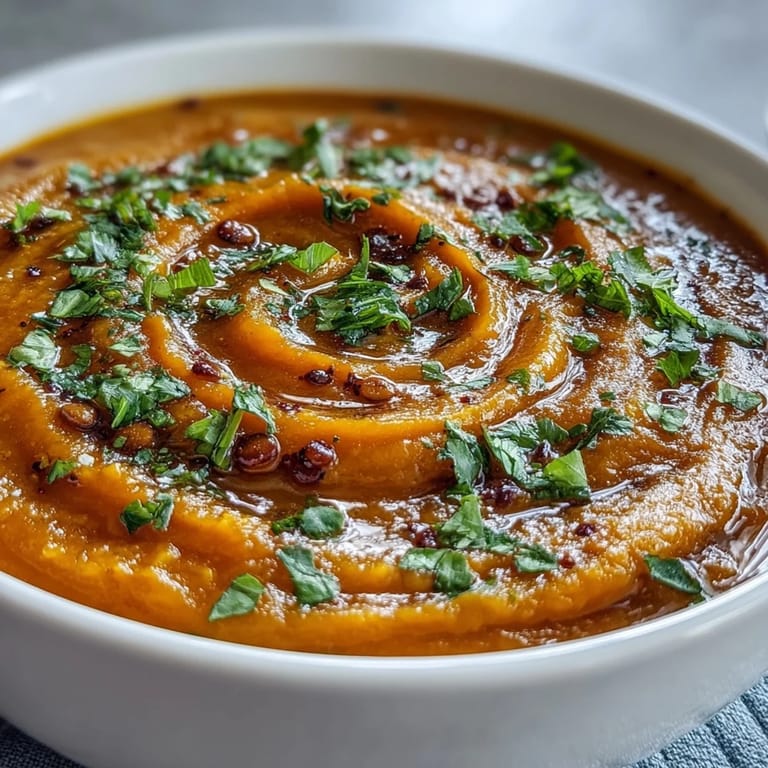
- Here's where you decide your texture: use an immersion blender right in the pot for a few pulses if you like some texture, or blend in batches with a regular blender if you want it completely smooth. I usually aim for something in between—velvety but not overly refined.
- Taste and adjust:
- Return the soup to low heat and taste it carefully, adding more salt and pepper as needed. If it's thicker than you want, stir in water or broth a splash at a time until it reaches the consistency that makes you happy.
 Pin it
 There's something about ladling soup into a bowl for someone you care about that feels like cooking's greatest reward. This soup has shown up at dinner tables during transitions, celebrations, and ordinary Tuesdays, and it's never disappointed.
Why Roasting Makes All the Difference
The first time I made this soup by simply boiling the squash, the result was pale and thin-tasting, like I'd missed something obvious. Switching to roasted squash changed everything—caramelization creates a deeper sweetness and a richer color that makes people think you've spent way more time on it than you actually have. The roasted pieces also hold their shape better during the simmering process, so you end up with a more interesting texture.
The Spice Balance That Keeps People Coming Back
This particular spice combination is gentle enough for people who prefer mild flavors but complex enough to keep things interesting. The cumin and coriander are the workhorses, the paprika adds a subtle smoky note, and the cinnamon is what makes people tilt their head and ask what you put in there. The cayenne is truly optional—I skip it for guests I'm unsure about and add it to my own bowl at the table.
Serving This Soup Three Different Ways
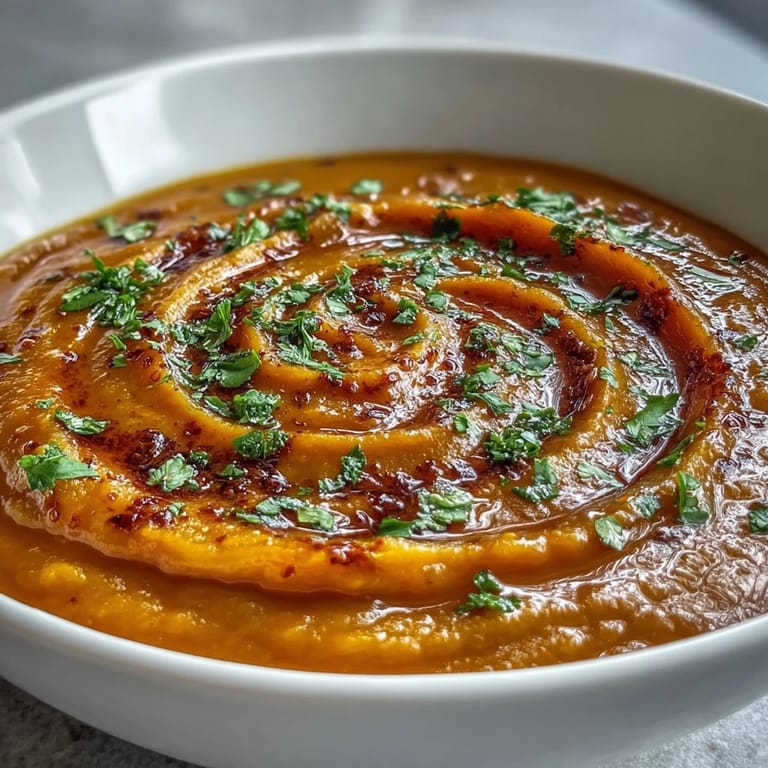
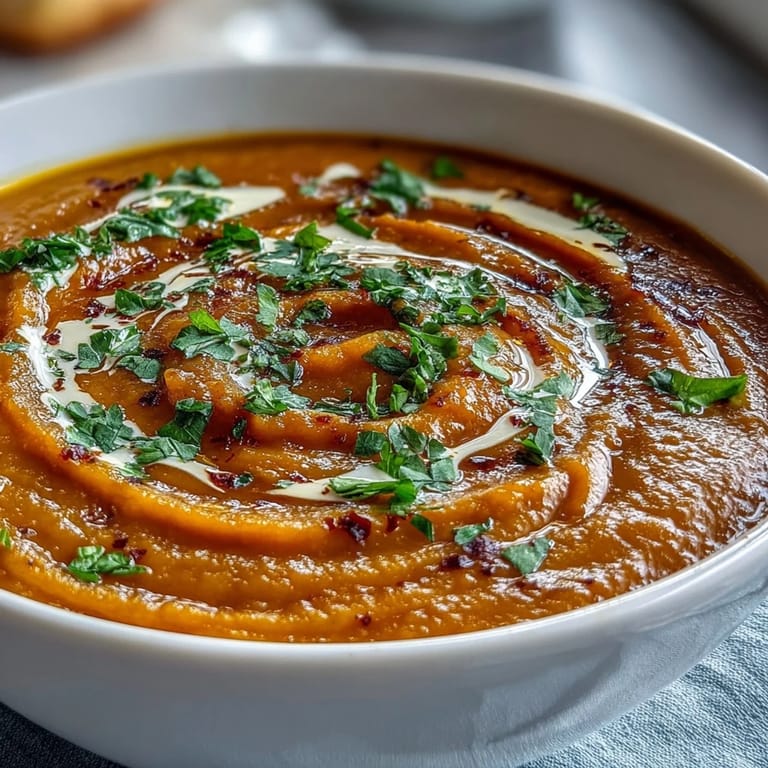
I've learned that how you finish this soup can change it entirely depending on what you're in the mood for. A swirl of coconut cream makes it feel luxurious and restaurant-like, plant-based yogurt adds a cool tang that plays against the warm spices, and fresh cilantro brings a brightness that cuts through the richness beautifully. A squeeze of lemon juice right before eating wakes up all the flavors in a way that's almost shocking.
- Coconut cream creates an almost dessert-like richness that feels indulgent for a weeknight dinner.
- A splash of coconut milk stirred directly into the pot makes the whole batch creamier without needing a garnish.
- Crusty bread for dunking is non-negotiable, and naan works beautifully if you want something a little softer and richer.
 Pin it
 This soup has become my go-to when I want to prove that simple ingredients and a little patience create something that feels far more complicated than it is. Make a pot and watch how people's faces change when they taste it.
Frequently Asked Questions
- → Can I make this soup without roasting the squash first?
Yes, you can skip roasting and cook the squash directly in the pot with the onions and carrots. However, roasting develops a sweeter, deeper flavor that really elevates the final dish.
- → How long does this soup keep in the refrigerator?
This soup stores beautifully for 4-5 days in an airtight container. The flavors continue to develop, making it excellent for meal prep. Reheat gently on the stovetet, adding a splash of water or broth if needed.
- → Can I use green or brown lentils instead of red?
Red lentils work best because they break down completely, creating that silky smooth texture. Green or brown lentils hold their shape and will result in a chunkier soup rather than a creamy puree.
- → Is this soup freezer-friendly?
Absolutely. Cool completely before transferring to freezer-safe containers. It keeps well for up to 3 months. Thaw overnight in the refrigerator and reheat on the stove, stirring occasionally.
- → What can I serve with this soup?
Crusty bread, naan, or garlic toast make perfect accompaniments. A simple green salad with tangy vinaigrette provides nice contrast. For extra protein, top with roasted chickpeas or toasted pumpkin seeds.
- → How can I make this soup richer?
Stir in a splash of full-fat coconut milk or plant-based cream during the final minutes. A dollop of coconut cream or yogurt on top adds luxurious texture and subtle sweetness.