 Save
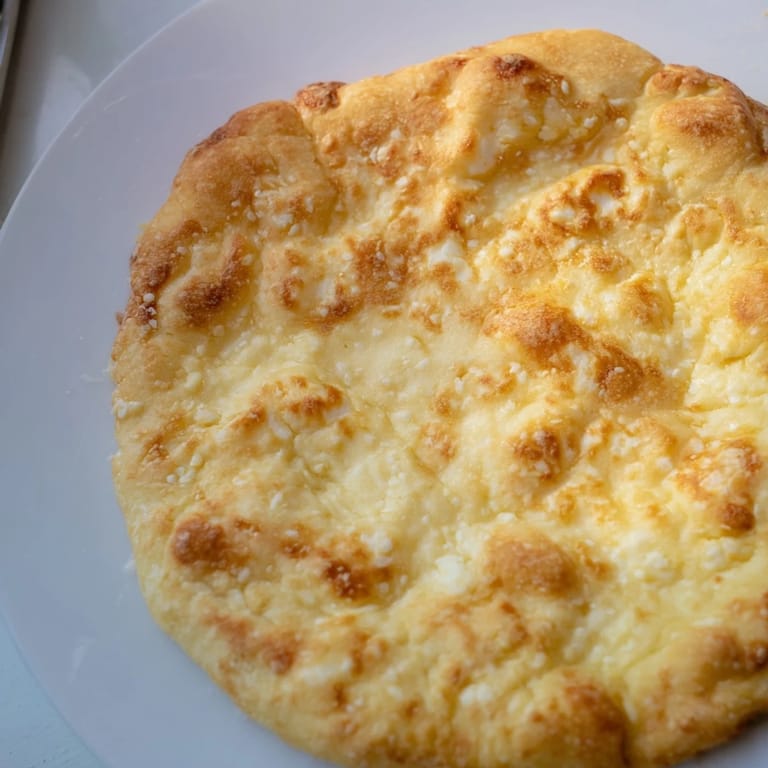
Save My neighbor brought over a container of leftover cottage cheese one afternoon, and instead of letting it sit forgotten in my fridge, I started wondering what I could bake with it. These flatbreads emerged from that small moment of curiosity—pillowy, tangy, and so much more interesting than plain dough. The cottage cheese creates a tender crumb that's almost indulgent, while the yogurt keeps everything light and chewy. Now I make them constantly, sometimes stuffed, sometimes plain, always grateful for that unexpected gift.
I remember making these for a small dinner party on a rainy Sunday, worried the homemade bread would feel too ambitious. But the dough came together so easily, almost forgiving, and watching my guests tear into them straight from the pan—no pretense, just genuine enjoyment—reminded me that the best meals are often the simplest ones.
Ingredients
- Plain flour: Use a standard all-purpose flour; it strikes the right balance between structure and tenderness that the yogurt and cottage cheese require.
- Greek yogurt: The tanginess and moisture are non-negotiable here—don't skip it or substitute with sour cream, which will throw off the dough's texture.
- Cottage cheese: This is your secret weapon for softness; smaller curds blend more smoothly and create a finer crumb.
- Baking powder: Just enough to give the flatbreads a gentle lift and make them slightly puffy in the center.
- Fine sea salt: It dissolves quickly into the dough and seasons evenly throughout.
- Olive oil or melted butter: For pan-frying; I prefer butter for a richer golden crust, but oil works beautifully if you prefer.
Tired of Takeout? 🥡
Get 10 meals you can make faster than delivery arrives. Seriously.
One email. No spam. Unsubscribe anytime.
Instructions
- Mix the dry base:
- Combine your flour, baking powder, and salt in a large bowl, breaking up any lumps of salt with your fingers so everything is evenly distributed.
- Bring in the wet ingredients:
- Add the Greek yogurt and cottage cheese, then start mixing with a spoon—it'll look shaggy and uncooperative at first, which is completely normal. Keep stirring until you can't anymore, then get your hands in there.
- Knead gently:
- Turn the dough onto a lightly floured surface and knead for just 2 to 3 minutes until it feels smooth and unified. If it's sticking to your hands, dust in a tiny bit more flour, but don't overdo it—the dough should be soft and slightly tacky.
- Shape into portions:
- Divide the dough into 6 equal pieces and roll each one between your palms into a ball. This helps them cook evenly and prevents uneven thickness.
- Roll flat:
- Working with one ball at a time, flatten it on your floured surface and roll to about 5 to 6 millimeters thick—roughly the thickness of a coin or two stacked. Dust with flour as you go so nothing sticks, but shake off the excess before cooking.
- Heat your pan:
- Place a nonstick skillet or cast iron pan over medium heat and let it warm through for a minute or two. The pan should be hot enough that a drop of water sizzles gently on it.
- Brush and cook:
- Brush the hot pan lightly with olive oil or melted butter, then lay in one or two flatbreads—they shouldn't overlap. Listen for that quiet sizzle; it means they're cooking.
- Watch for color:
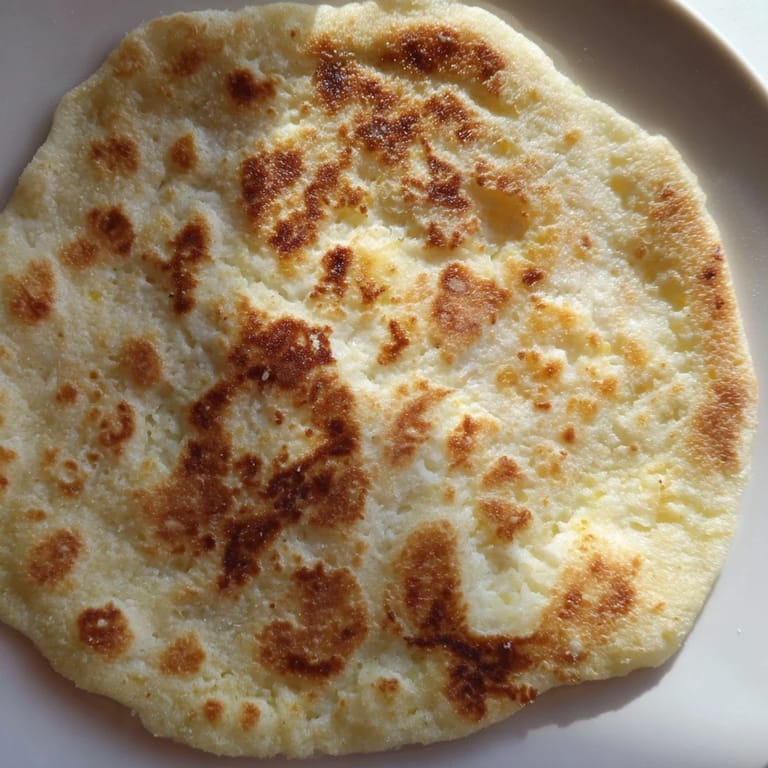
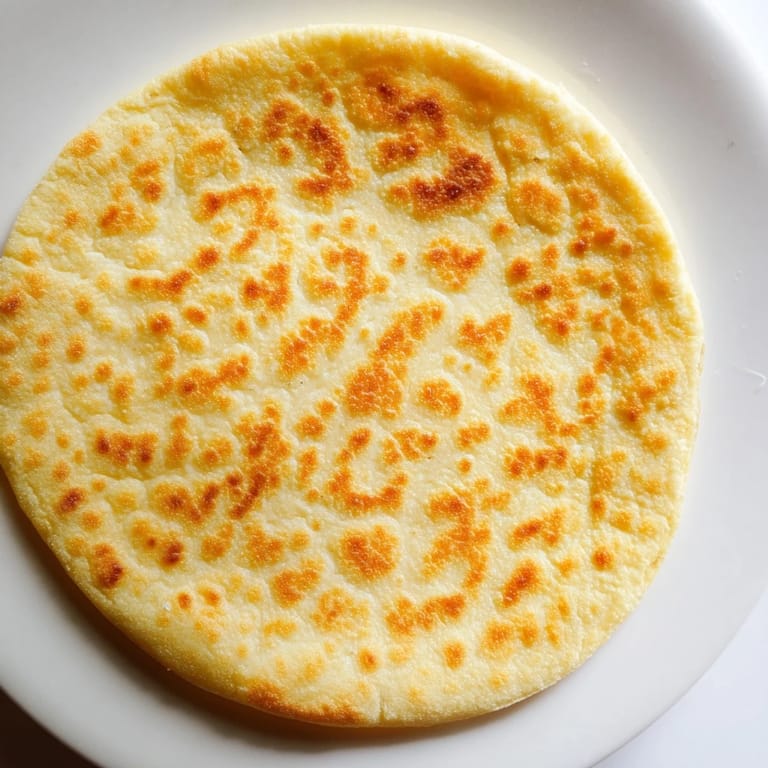
- After 2 to 3 minutes, you'll see golden-brown spots appearing on the bottom, and the edges will start to look slightly translucent. Flip and cook the other side for another 2 to 3 minutes until it's evenly golden and cooked through.
- Rest and repeat:
- Transfer each flatbread to a plate and cover loosely with a clean kitchen towel to keep them warm and pliable while you cook the remaining batches.
 Pin it
 There's something almost meditative about watching these flatbreads puff slightly in the pan, filling your kitchen with the smell of toasted butter and warm bread. It's one of those moments when cooking stops being a task and becomes pure comfort.
Flavor Variations Worth Trying
I've started experimenting with additions stirred into the dough before shaping—fresh dill and minced garlic are my current obsession, but chopped parsley, chives, or even a pinch of nigella seeds change the whole character. The dairy base is neutral enough to carry almost any herb or spice you love, so don't be shy about making them your own.
Storage and Reheating
These flatbreads keep beautifully in an airtight container at room temperature for a day or two, though I've never managed to have leftovers last that long. To refresh them, place each one in a dry skillet over medium-low heat for about a minute per side until they're warm and slightly softer again.
What to Serve Alongside
Warm flatbreads are a blank canvas for whatever you're craving—they're tender enough to wrap around roasted vegetables or seasoned proteins, hearty enough to scoop up dips or soups, and simple enough to enjoy with just softened butter and a sprinkle of flaky salt. Think of them as your kitchen's most versatile helper.
- Pair them with hummus, yogurt dips, or salsa for instant appetizers.
- Use them to wrap grilled vegetables, roasted chicken, or falafel for casual meals.
- Serve alongside soups or curries to soak up every bit of sauce.
 Pin it
 These flatbreads have become my go-to whenever I want homemade bread without the long rise times or the fuss. They're the kind of recipe that feels special enough to serve guests but simple enough to make on a weeknight when you just want something warm and real.
Frequently Asked Questions
- → What makes the flatbreads tender?
The addition of cottage cheese combined with Greek yogurt enriches the dough, lending extra moisture and a subtle tang that enhances tenderness.
- → Can I add herbs or spices to the dough?
Yes, mixing in chopped parsley, chives, dill, or minced garlic can boost flavor and add aromatic notes to the flatbreads.
- → What is the best way to cook these flatbreads?
Pan-frying on medium heat in a lightly greased nonstick or cast iron skillet ensures a golden exterior with a soft interior.
- → How should I store leftovers?
Store flatbreads in an airtight container and reheat gently in a dry pan to maintain softness and flavor.
- → Are these flatbreads suitable for vegetarians?
Yes, they contain dairy and wheat but no meat, making them suitable for vegetarian diets.