 Save
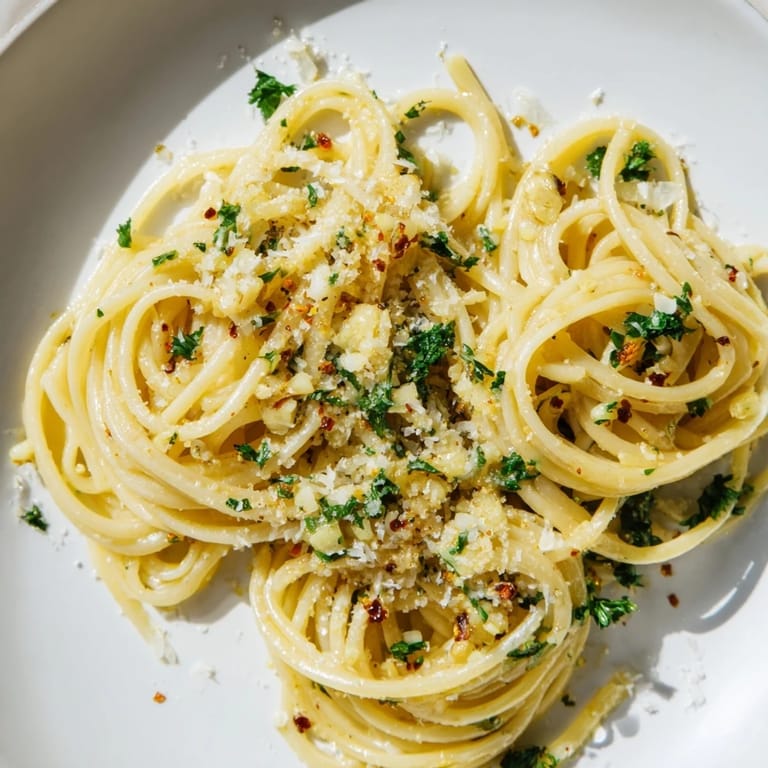
Save There's a moment in every cook's life when they realize that the simplest dishes often taste the best. For me, that moment happened on a Tuesday night when I had nothing in my pantry except butter, garlic, and a box of linguine. I threw it together out of pure necessity, and somehow it became the dish I make when I want to impress people without actually trying. It's the kind of pasta that feels both humble and elegant on the same plate.
I made this for my roommate once when she came home complaining about a terrible day at work. She took one bite and got quiet in that specific way people do when food actually makes them feel better. She never asked me how I made it, which was funny because it's the easiest thing I know how to cook. That's when I understood that sometimes the best comfort doesn't come from effort, it comes from care.
Ingredients
- 400 g (14 oz) linguine: The long, ribbon-like shape holds the garlic butter perfectly—thinner than fettuccine, so it gets coated more generously with every toss.
- 80 g (6 tbsp) unsalted butter: This is your base, so use the good stuff you actually enjoy eating. The quality of the butter matters more than you'd think in such a minimal dish.
- 6 large garlic cloves, finely minced: Size matters here—smaller pieces mean the garlic distributes evenly and cooks gently without burning. If you have a microplane, use it.
- 1/4 tsp crushed red pepper flakes (optional): This adds a whisper of heat that makes you notice the garlic even more, but skip it if gentle is what you're after.
- Zest of 1 lemon (optional): Bright and sharp, this wakes up the entire dish without making it taste like lemon pasta. A small grater gets the finest zest.
- 1/2 tsp sea salt and 1/4 tsp freshly ground black pepper: Season as you go, tasting constantly—every garlic and every pasta water are different.
- 30 g (1/2 cup) fresh flat-leaf parsley, finely chopped: The fresh herb at the end brings everything together with color and a clean, slightly peppery edge.
- 40 g (1/2 cup) freshly grated Parmesan cheese (optional): If you add it, grate it yourself just before serving—pre-grated clumps never melt quite right and feel like a shortcut.
- Extra lemon wedges, to serve: Let people squeeze their own; everyone's threshold for brightness is different.
Tired of Takeout? 🥡
Get 10 meals you can make faster than delivery arrives. Seriously.
One email. No spam. Unsubscribe anytime.
Instructions
- Boil the pasta water and cook linguine:
- Fill a large pot about three-quarters full with water, add a generous pinch of salt (it should taste like the sea), and bring it to a rolling boil. The pasta water is going to become part of your sauce later, so this salt step is not negotiable. Add linguine and stir immediately so it doesn't stick to itself.
- Time it carefully:
- Follow the package instructions but start checking a minute before the time listed. You want that slight resistance when you bite it—al dente, not mushy. Before you drain it, scoop out a mug of the starchy pasta water and set it aside.
- Make the garlic butter base:
- While pasta finishes, melt butter in a large skillet over medium heat. Watch it transform from solid to golden and foaming—this is when you add the garlic. The butter should be warm enough to cook the garlic gently, releasing all that pungent, sweet aroma without browning.
- Toast the garlic gently:
- Once you add the minced garlic, don't walk away. Stir constantly for about 1 to 2 minutes—you'll smell when it's ready, fragrant and soft but still pale. If you see brown bits, you've passed the point; start over with fresh garlic because burnt garlic tastes bitter and ruins everything.
- Add heat and brightness (optional):
- If you're using red pepper flakes and lemon zest, stir them in now while the butter is still warm. They'll bloom and distribute their flavor throughout the fat. It happens fast and smells incredible.
- Combine pasta and sauce:
- Add the drained linguine to the skillet with the garlic butter. Start tossing gently, using tongs or two wooden spoons, so every strand gets coated. The pasta will seem dry at first—this is where the pasta water comes in.
- Add pasta water slowly:
- Pour in a small splash of that reserved starchy water and keep tossing. The liquid will emulsify with the butter and create a silky, light sauce that clings to each noodle. Add more water as needed, a few tablespoons at a time, until you reach the consistency you like. This is the secret no one talks about.
- Season and finish:
- Taste constantly and adjust salt and black pepper to your preference. Stir in the fresh parsley and half the Parmesan cheese if you're using it. The parsley should still be bright green, not wilted from the heat.
- Serve immediately:
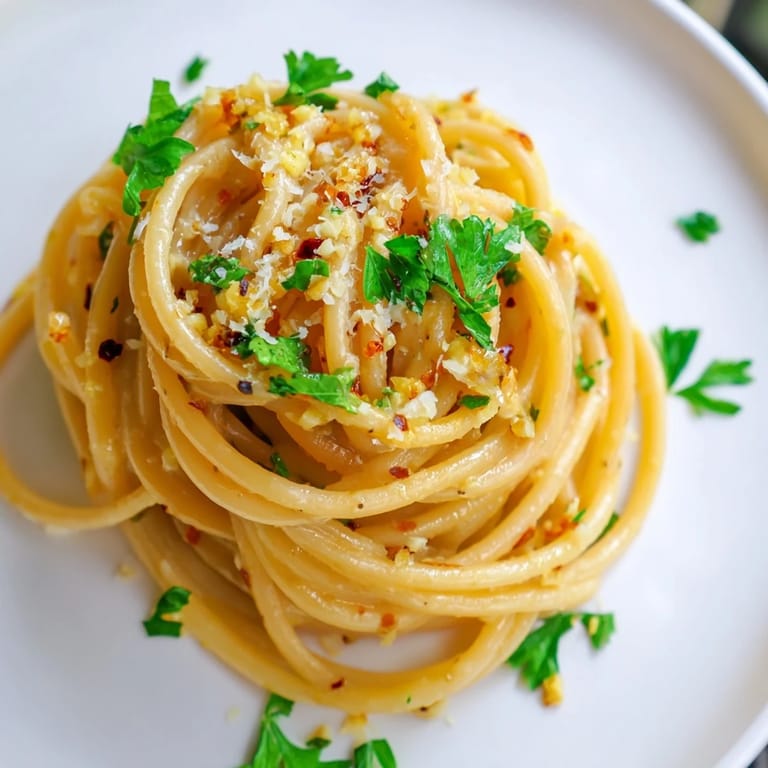
- Plate it right away while everything is hot. Top with remaining Parmesan, a crack of fresh pepper, and let people add lemon wedges to their own taste. Pasta waits for no one.
 Pin it
 My mom once told me that the best meals aren't the ones that take hours—they're the ones that taste like someone actually wanted to feed you. This pasta is proof of that. It's become the dish I make for people I love when I want to say something without using words.
When to Make This
This pasta works on weeknights when you're hungry but tired, on dates when you want to cook something that tastes intentional but doesn't feel stressed, and on lazy Sunday afternoons when you just want something warm and satisfying. It's the kind of dish that doesn't ask for much but gives back generously. I've also found it's perfect for people who are picky eaters—there's nowhere for anything to hide, so it either speaks to them or it doesn't, and I respect that honesty.
Small Variations That Make a Difference
Sometimes I add a drizzle of good olive oil at the end, which sounds unnecessary but creates a different kind of richness. Other times I'll sauté thin slices of fresh mushrooms in the butter before adding garlic, or throw in a handful of spinach that wilts into the sauce. I've even stirred in cooked shrimp to make it feel more special for company. The base is so simple that it welcomes gentle additions—you just don't want to overcrowd it.
Wine and Pairing
A crisp white wine like Pinot Grigio or Sauvignon Blanc sits beside this pasta like they were meant to find each other. The acidity cuts through the butter in a way that makes your palate feel fresh between bites. I learned this by accident when I was cooking dinner and opened a bottle to cook with, then realized I actually wanted to drink it. Since then, I've made it a point to pair the wine you cook with to the wine you drink.
- If you don't drink wine, a squeeze of fresh lemon juice does the same job of brightening everything up.
- Serve this with crusty bread if you have it—people will want to soak up every trace of sauce from their plates.
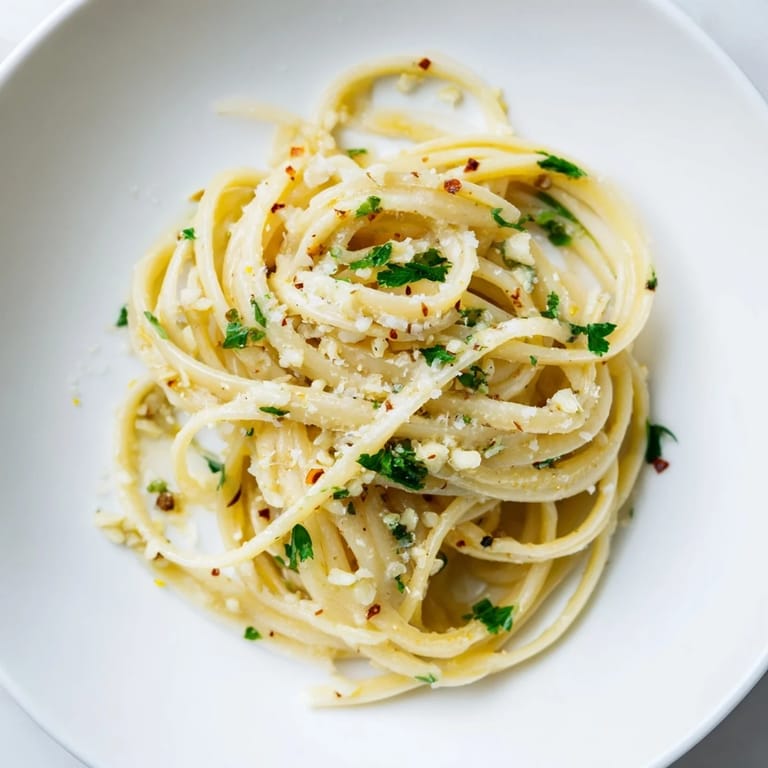
- Make sure everyone's parmesan grater and lemon wedges are at the table so people can customize as they eat.
 Pin it
 This pasta has taught me that sometimes the most memorable meals are the ones that ask for almost nothing. There's freedom in that simplicity, and honestly, that's the whole point.
Frequently Asked Questions
- → How do I achieve the perfect garlic butter sauce consistency?
Melt butter gently and sauté garlic without browning. Add reserved pasta water gradually to create a silky, smooth sauce that coats the linguine evenly.
- → Can I add other ingredients to enhance this dish?
Yes, sautéed mushrooms, fresh spinach, or cooked shrimp complement the flavors and add variety to the dish.
- → What type of pasta works best for this dish?
Linguine is ideal as it holds the buttery sauce well, but similar long pasta like fettuccine can be used.
- → How can I make this dish gluten-free or dairy-free?
Use gluten-free linguine to avoid gluten and substitute butter with vegan alternatives while omitting Parmesan for dairy-free options.
- → What wine pairs well with this garlic butter linguine?
A crisp white wine such as Pinot Grigio complements the buttery flavors and fresh parsley notes beautifully.