 Save
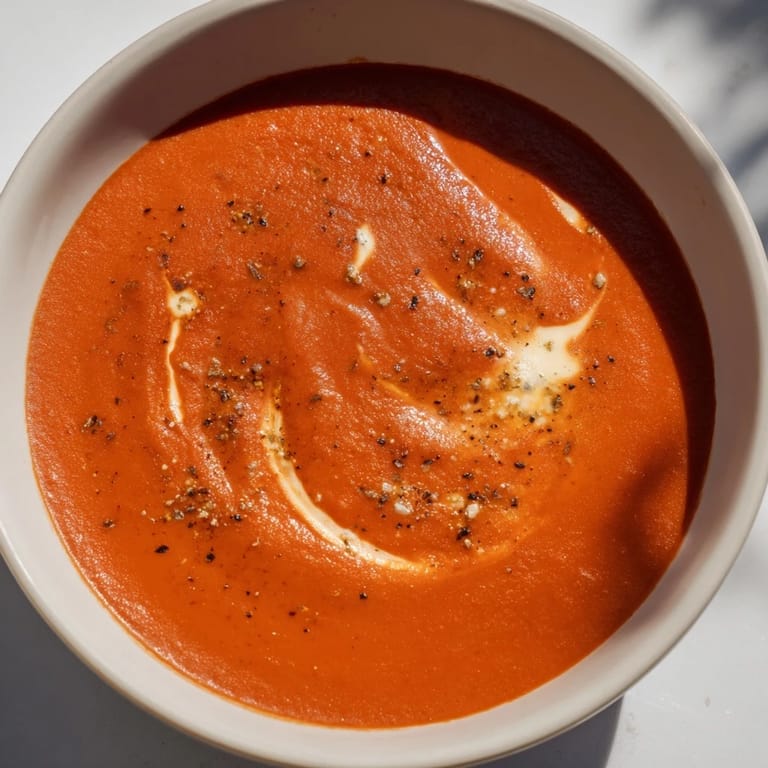
Save There's a Tuesday night in late October when my partner called asking what was for dinner, and I had exactly ten minutes to transform three pantry cans into something that felt intentional. I grabbed the tomato sauce, butter, and garlic powder—nothing fancy—and watched it transform into something so silky and rich that they asked for seconds before finishing their first bite. That's when I realized the best sauces don't need hours of simmering or endless ingredient lists.
I made this sauce one rainy Sunday for my neighbor who showed up with fresh pasta and no time to cook, and watching her taste it—that little pause before the smile—made me understand why cooks keep simple recipes close. Sometimes the best moments happen when you're not trying too hard.
Ingredients
- Tomato sauce: Two cups of plain, unsalted tomato sauce forms your foundation—this is where quality matters quietly, so a good San Marzano or fire-roasted version will make you wonder why you ever bought the cheaper stuff.
- Unsalted butter: Three tablespoons is the magic amount; it doesn't overwhelm the tomato but transforms it into something that coats your mouth like velvet.
- Garlic powder: One teaspoon gives warmth without sharpness, hitting that savory note that makes people ask what your secret is.
- Salt and black pepper: Half a teaspoon of salt and a quarter teaspoon of pepper are your fine-tuning tools—taste as you go because every brand of tomato sauce tastes slightly different.
- Heavy cream: One tablespoon is optional but worth it if you want the sauce to feel like a hug in a bowl.
- Dried Italian herbs: One teaspoon of mixed basil and oregano adds complexity without requiring fresh herbs to wilt in your fridge.
Tired of Takeout? 🥡
Get 10 meals you can make faster than delivery arrives. Seriously.
One email. No spam. Unsubscribe anytime.
Instructions
- Gather and heat:
- Pour your tomato sauce into a medium saucepan and set the heat to medium—you want it hot enough to bubble gently, not angry and aggressive.
- Add the butter:
- Drop in your butter and watch the magic start as it melts into golden ribbons and mingles with the red.
- Stir and wait:
- Give it a gentle stir every minute or so, and after about five minutes the butter will disappear completely into the sauce and everything starts to smell like dinner.
- Season carefully:
- Add your salt and pepper, stir, and taste on a small spoon because you can always add more but you can't take it back.
- Make it richer (optional):
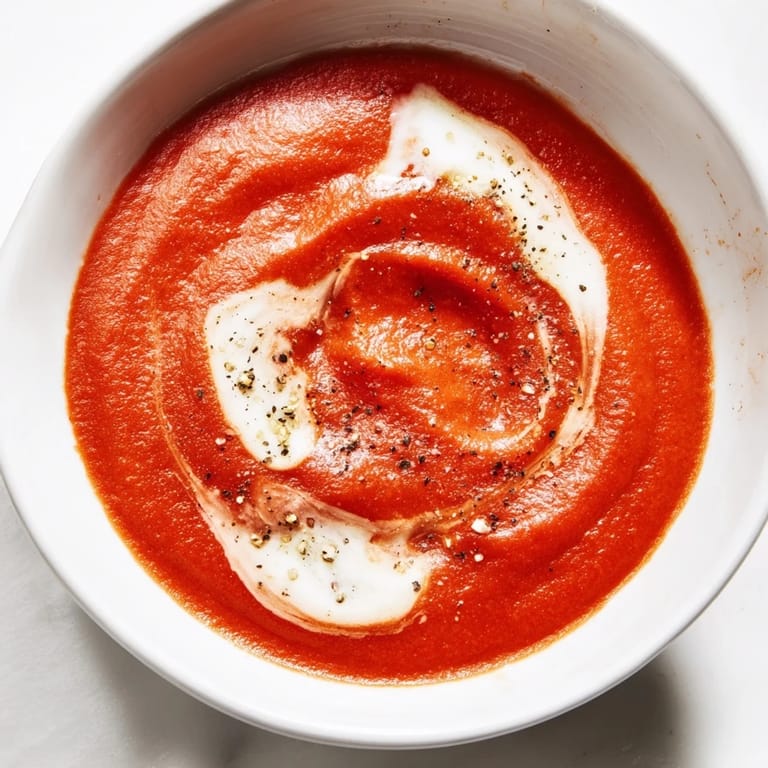
- If you're using the cream and herbs, add them now and let everything simmer together for another two to three minutes—the herbs will bloom and the cream will soften the tomato's sharpness.
- Serve and enjoy:
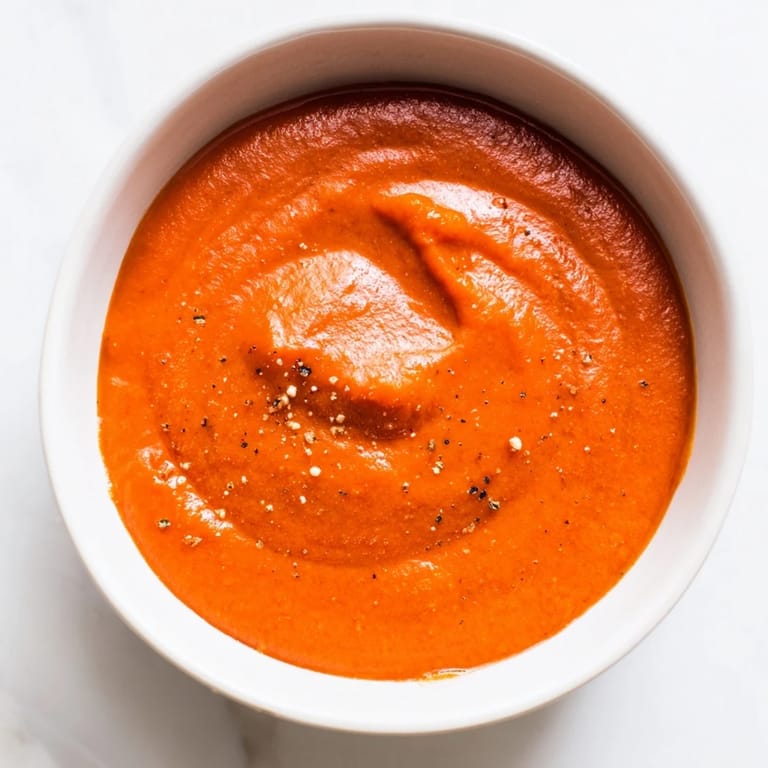
- Taste one more time, adjust if needed, and use it while it's hot over pasta, as a dipping sauce for crusty bread, or as a pizza base.
 Pin it
 I remember my daughter dipping warm bread into this sauce, completely unaware that I'd made it in less time than it took to set the table. She asked if it was from a fancy restaurant, and I realized that simplicity isn't about lack of care—it's about knowing exactly what matters.
Why This Sauce Changed My Weeknight Cooking
For years I thought a good marinara needed to simmer for forty minutes minimum, that depth required time and suffering. Then I learned that butter and proper heat do the work that time used to do, and that revelation quietly rewired how I approach last-minute dinners. The tomato flavor concentrates, the butter adds richness, and ten minutes later you have something that feels intentional and generous even when you're tired.
When to Reach for This Recipe
This sauce lives for those moments when you didn't plan ahead but you still want dinner to taste like you did—a sick evening when cooking feels impossible but pasta sounds perfect, a weeknight when the grocery store is closed and you're working with what's in your pantry, or a Friday night when you just want something warm and uncomplicated. It's also the right answer when you're cooking for someone you want to impress without appearing to have tried too hard.
Making It Your Own
The base is almost stubborn in how straightforward it is, which means it's yours to play with once you understand it. Some nights I add a pinch of red pepper flakes for heat, other times I stir in a handful of spinach in the last minute, and occasionally I've whisked in a little balsamic vinegar for complexity. The beauty is that you can experiment without ever ruining the foundation.
- A small red pepper flakes elevates this from quiet comfort to a sauce with personality.
- Fresh basil stirred in right before serving tastes infinitely better than dried, if you have it on hand.
- A splash of pasta water at the end helps the sauce cling to noodles in the most satisfying way.
 Pin it
 This sauce taught me that cooking doesn't always need to be complicated to feel nourishing, and that sometimes the best meals are the ones you make with whatever you have nearby. Keep these ingredients in your pantry and you're never more than ten minutes away from something warm and honest.