 Save
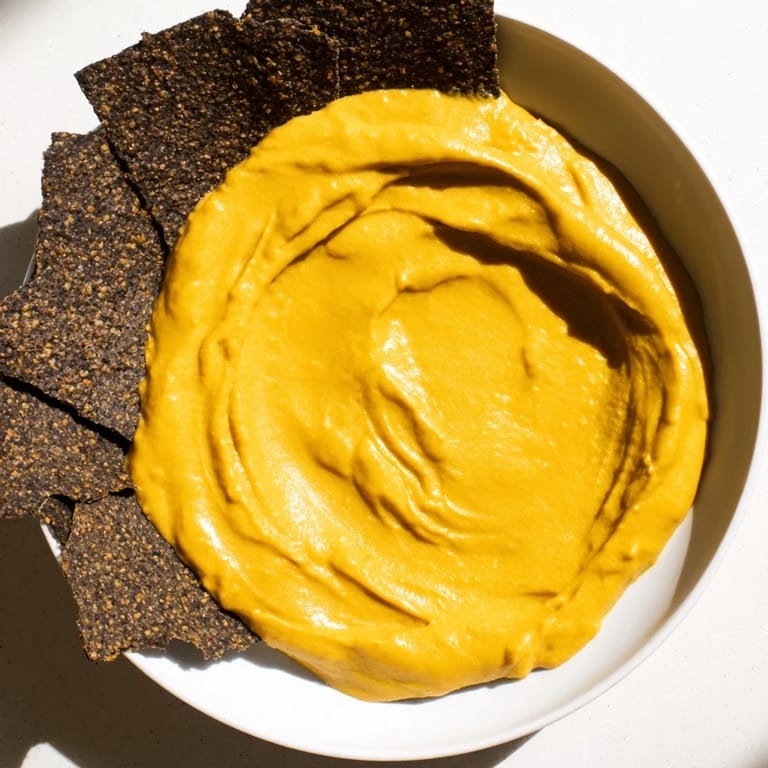
Save There's something about the drama of charcoal that makes you want to create with it. I was scrolling through photos of Nordic landscapes one winter evening—those endless skies where the sun barely dips below the horizon—when I realized that visual magic could live on a plate. The contrast of jet-black crackers framing a golden dip felt like capturing that impossible midnight light in food form. What started as an aesthetic obsession became something I couldn't stop making for gatherings.
I made this for a dinner party where someone brought a bottle of natural wine they'd been nervously excited about. As we dipped and talked, I noticed how the charcoal crackers' slight earthiness paired beautifully with the wine's mineral notes. My friend reached for a fourth cracker, caught herself, and smiled—that moment when a recipe transcends being just food.
Ingredients
- All-purpose flour: The foundation that holds everything together; I use it unbleached when I can for a slightly warmer color contrast.
- Activated charcoal powder (food-grade): This is the visual star—it creates that striking black hue and adds a subtle mineral earthiness that grounds the sweetness of the carrots.
- Fine sea salt: Use it here and taste as you go; the crackers need enough to shine on their own since they don't have much else.
- Olive oil: Good quality matters for both the dough and the roasted carrots; I use a robust one that can stand up to the heat.
- Water: Room temperature works best; cold water can make the dough sluggish to work with.
- Carrots (large, peeled and chopped): Roasting concentrates their sweetness and turns them into something almost caramel-like; smaller pieces cook more evenly.
- Ground turmeric: This is what gives the dip its glowing color and a warm, slightly bitter edge that prevents it from being cloying.
- Smoked paprika: A pinch adds depth without making the dip actually spicy; it whispers rather than shouts.
- Ground cumin: The secret that makes people ask what that flavor is; it brings an almost nutty warmth to the carrots.
- Greek yogurt: Creamy and tangy, it balances the sweetness of the roasted vegetables perfectly.
- Lemon juice: Essential for brightness; squeeze it fresh right before blending for maximum impact.
- Tahini: Adds richness and helps the dip reach that luxurious consistency without needing cream.
- Garlic clove (small, minced): Just one—you want it as a whisper, not a shout that overpowers the delicate carrot flavor.
- Honey: A teaspoon rounds out the flavors and adds a subtle sweetness that feels intentional rather than accidental.
- Black pepper: A pinch at the end livens everything up and adds a tiny bite.
Tired of Takeout? 🥡
Get 10 meals you can make faster than delivery arrives. Seriously.
One email. No spam. Unsubscribe anytime.
Instructions
- Preheat and prepare:
- Set your oven to 400°F (200°C) and give it time to fully heat; a properly heated oven is the difference between carrots that roast and carrots that stew.
- Season and roast the carrots:
- Toss your chopped carrots with olive oil and all those warm spices—turmeric, smoked paprika, cumin, and salt. Spread them on a baking sheet so they have room to breathe, then let them roast for 25–30 minutes until they're very tender and the edges catch some color. You'll know they're ready when a fork slides through easily and you catch those caramelized bits.
- Build the cracker dough:
- While the carrots work their magic, whisk together your flour, charcoal powder, and salt in a bowl. The charcoal will want to clump a bit—that's normal. Stir in the olive oil and water until a shaggy dough comes together, then knead it gently for just a minute or two until it feels smooth and cooperative.
- Roll and shape:
- Lay out a sheet of parchment, place your dough on it, and cover with another sheet. Roll it as thin as you can—almost translucent—which is what makes these crackers shatter rather than bend. Peel off the top parchment and cut into shapes that feel right to you; I usually go for rough rectangles or circles.
- Bake the crackers:
- Transfer your shaped crackers (still on the parchment) to a baking sheet and bake for 10–12 minutes until they're completely crisp and have lost any softness. They'll continue to crisp up as they cool, so don't panic if they seem slightly bendable when warm.
- Blend the dip:
- Once the carrots have cooled slightly, combine them with your Greek yogurt, lemon juice, tahini, minced garlic, honey, and a pinch of black pepper in a food processor. Blend until it's silky and smooth, tasting as you go and adjusting seasoning if needed—sometimes you want an extra squeeze of lemon, sometimes a whisper more salt.
- Compose and serve:
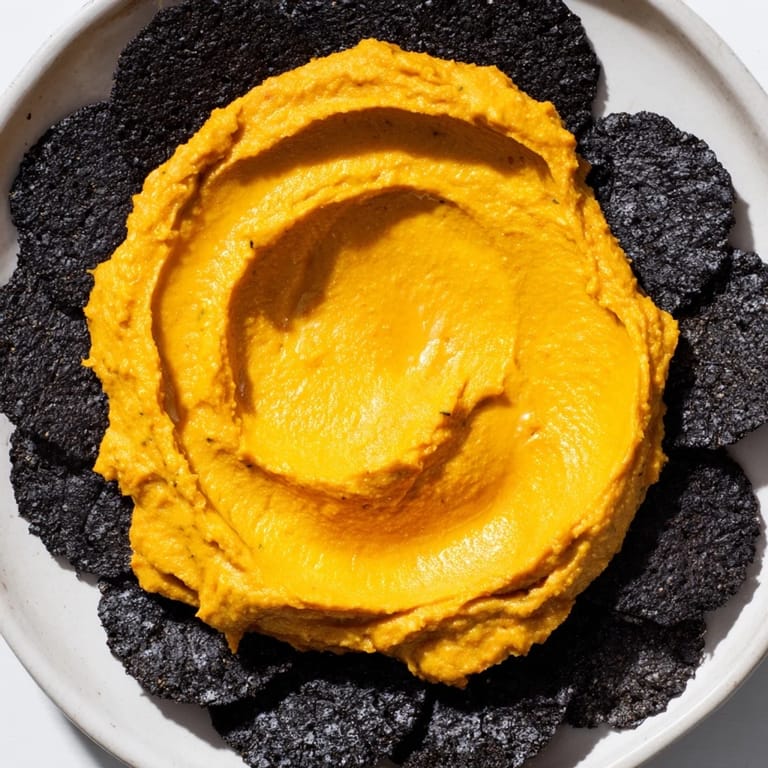
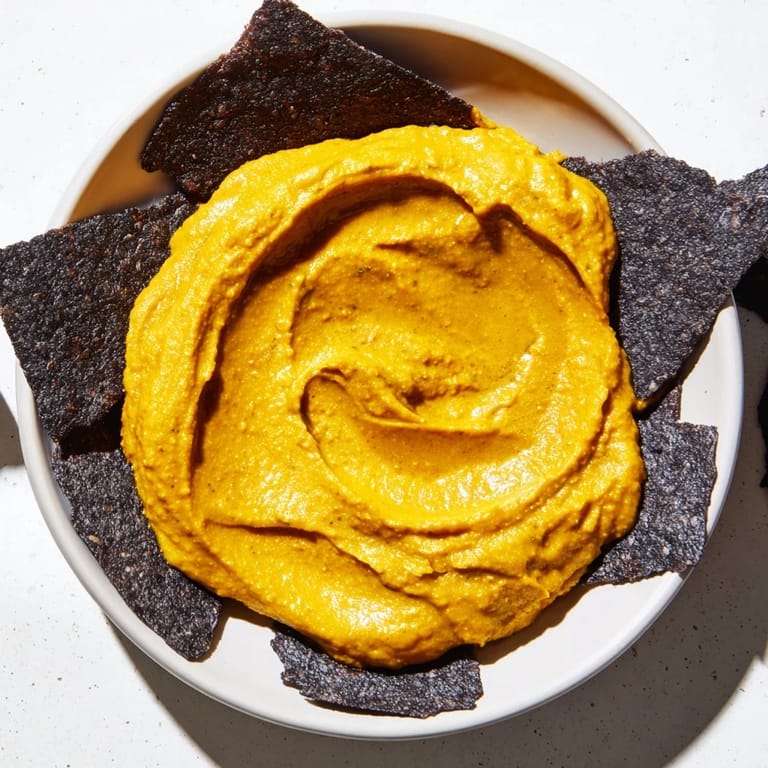
- Spoon the dip into the center of a board or plate, creating a thick, glowing circle. Arrange those dramatic charcoal crackers in a dark ring around it, creating that striking contrast that made you want to make this in the first place.
 Pin it
 Someone once told me that food is really just an excuse to gather, and this dish proved it to me. What mattered wasn't the technical skill or the hours spent—it was the conversation that happened around the plate, the reaching for one more cracker, the way everyone paused to admire it before diving in.
The Magic of Contrast
This recipe works because it leans into visual and textural opposites. The charcoal crackers are crisp and mineral, while the dip is creamy and warm. The dark and the golden. The earthy and the bright. When you set them against each other on a plate, something happens that wouldn't if you served them separately. It's not just a dip and cracker situation—it becomes a moment.
Make-Ahead Magic
One of the best things about this appetizer is how forgiving it is with timing. The crackers can be made a full day ahead and stored in an airtight container—they'll stay crisp and ready. The dip can be blended several hours before guests arrive, though I find it tastes brightest when made no more than a few hours ahead. On the day of, you're really just assembling, which means you can focus on actually enjoying your guests instead of panicking in the kitchen.
Variations That Work
The foundation here is strong enough to play with. If heat is your thing, add a pinch of cayenne to the dip—not enough to announce itself, just enough to make it interesting. Vegans can swap in plant-based yogurt and maple syrup without missing a beat. Gluten-free eaters can use a 1:1 blend and the crackers turn out just as dramatic. Fresh herbs scattered on top—cilantro, mint, or dill—add a last-minute freshness that people love.
- Try adding a tiny pinch of cayenne if you want your dip to have a subtle warm finish.
- Toasted sesame seeds scattered over the top add visual texture and a nutty note.
- This pairs beautifully with a crisp Sauvignon Blanc or a dry sparkling wine.
 Pin it
 This dish taught me that sometimes the most memorable food isn't complicated—it's just bold in the right way. Every time you make it, you're creating something that stops people mid-conversation, which feels like the point of cooking altogether.
Frequently Asked Questions
- → How do charcoal crackers get their color?
The deep black color comes from food-grade activated charcoal powder mixed into the cracker dough, creating a striking visual contrast.
- → Can I make the dip vegan-friendly?
Yes, substitute Greek yogurt with a plant-based alternative and replace honey with maple syrup for a vegan version.
- → What spices enhance the carrot dip?
Turmeric, smoked paprika, cumin, and a pinch of black pepper add warm, earthy flavors complementing the roasted carrots.
- → How should the crackers be stored after baking?
Allow crackers to cool completely, then keep them in an airtight container to maintain crispness for up to a day.
- → What wine pairs well with this appetizer?
A crisp white wine such as Sauvignon Blanc balances the smoky and earthy tones of the crackers and dip.
- → Can I prepare components ahead of time?
Yes, the crackers can be baked and stored a day in advance. The dip can also be made and refrigerated prior to serving.