 Save
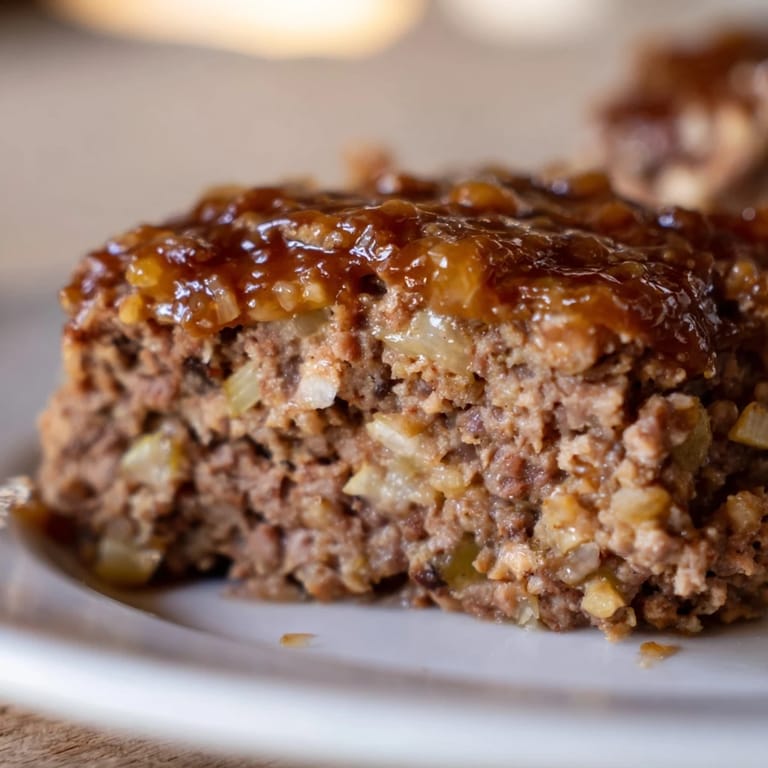
Save My daughter came home from school talking about a birthday party where they served these golden, glazed mini meatloaves, and she couldn't stop describing how they were perfectly sized to pop right into her mouth. That conversation stuck with me, and I started thinking about how something so simple—seasoned beef pressed into a muffin tin—could become the kind of food people actually remember. The first batch I made, I brushed on the glaze too generously and they turned almost candied, but that sweet-savory balance was exactly what made them disappear so fast. Now whenever I make them, I'm reminded that the best dishes often come from happy accidents and the excitement of people you cook for.
I'll never forget the Wednesday night when our neighbors dropped by unexpectedly, and I pulled a tray of these warm from the oven, still crackling slightly from the glaze. My son grabbed one with his bare hands before they even cooled, and within minutes, our friends were asking for the recipe—written down, not just nodded at. That moment taught me that food doesn't need to look complicated to impress people; it just needs to taste like you actually cared while making it.
Ingredients
- Ground beef (85% lean): The lean percentage keeps them from becoming greasy, but not so lean that they dry out—this ratio is the sweet spot I learned after a few rubbery attempts.
- Breadcrumbs and milk: When you let them sit together, they create a paste that keeps everything tender instead of dense and heavy.
- Egg: Just enough binder to hold it all together without making it feel like you're eating a sponge.
- Onion, celery, and garlic: These three are the flavor foundation, finely diced so they distribute evenly and cook down into sweetness.
- Fresh parsley: A small handful brings brightness that the heavier seasonings would miss on their own.
- Worcestershire sauce: This is the secret note that makes people ask what spice you used—it's umami in a bottle.
- Salt, pepper, and thyme: Thyme adds an herbal note that pairs beautifully with the maple glaze, so don't skip it.
- Maple syrup, Dijon mustard, and ketchup: Three ingredients that shouldn't work together but create this balanced glaze that tastes like autumn in a spoon.
Tired of Takeout? 🥡
Get 10 meals you can make faster than delivery arrives. Seriously.
One email. No spam. Unsubscribe anytime.
Instructions
- Set the stage:
- Preheat your oven to 375°F and grease a muffin tin—I use butter because the edges get slightly crispy and golden that way. This is the moment where everything feels possible.
- Wake up the breadcrumbs:
- Combine breadcrumbs and milk in a bowl and let them sit for three minutes, watching as they soften into a paste. This step takes patience, but it's what keeps the meatloaves moist and tender.
- Bring it together gently:
- Add the beef and everything else to the breadcrumb mixture, then use your hands to combine until just barely mixed—overmixing makes them tough and dense. You want it to feel loose and tender, like you're barely coaxing the ingredients to know each other.
- Fill and press:
- Divide the mixture evenly among the muffin cups, pressing lightly so each one is compact but not forceful. If you're making them for the first time, divide the meat into twelve rough piles first, then press—it takes the guesswork out.
- Make the glaze:
- Whisk together maple syrup, Dijon mustard, and ketchup until smooth and glossy. Taste a tiny bit on your finger; you should taste sweetness, then mustard punch, then ketchup warmth.
- First glaze coat:
- Spoon or brush half the glaze over the tops of the raw meatloaves, letting it pool slightly. This layer will caramelize as they start cooking.
- First bake:
- Slide them into the oven for 20 minutes, during which your kitchen will smell like a Sunday dinner you didn't have time to make. Resist opening the door too much—let them cook undisturbed.
- Second glaze coat and finish:
- Remove them from the oven, brush the remaining glaze on top, and return them for 5 more minutes until the inside reaches 160°F and the glaze turns shiny and slightly darkened. The last five minutes is where the magic happens.
- Rest and release:
- Let them cool for five minutes—they'll firm up slightly, making them easier to remove. Run a knife around the edges of each one and lift them out gently; they'll slide right out of the tin.
 Pin it
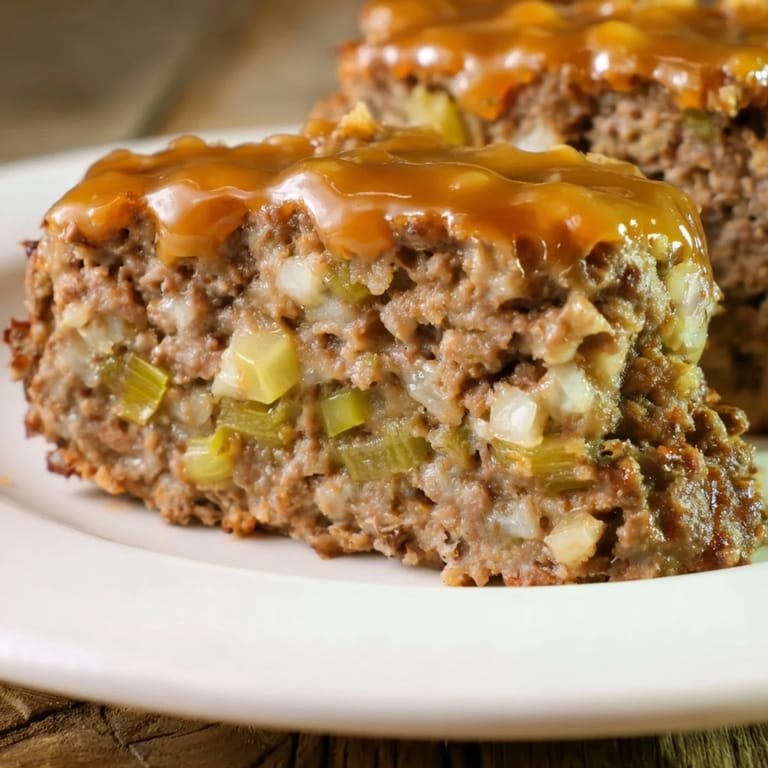
 There's something about serving food that came straight from a muffin tin that makes people smile—maybe it's the perfect single-bite size, or maybe it's because they look homemade in the best possible way. I watched my mother-in-law eat three of these at a potluck while barely pausing for breath, and that's when I knew I'd made something worth making again.
Flavor Layers That Actually Work
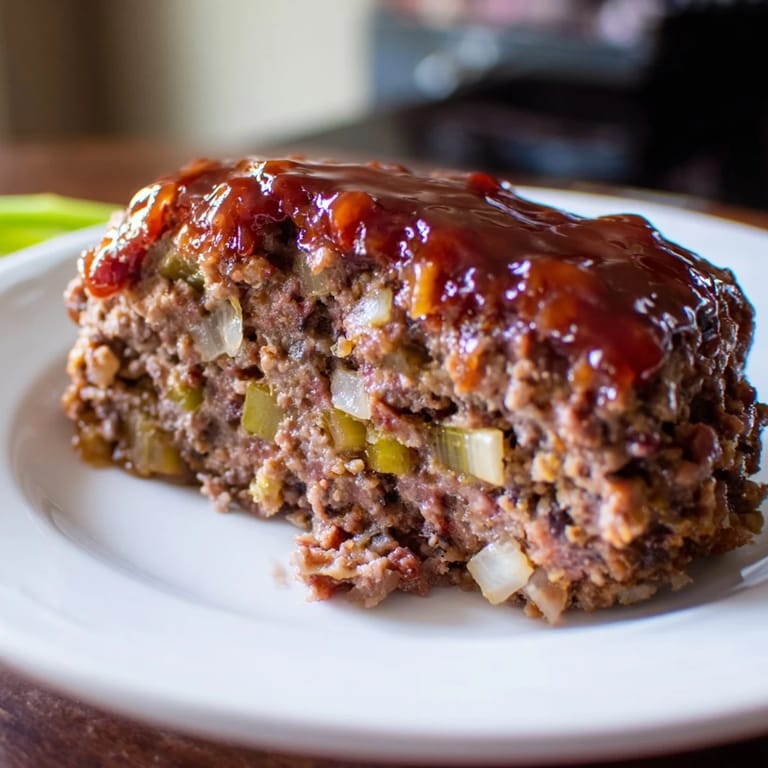
The genius of these meatloaves lives in the way each flavor plays against the next: the savory beef and herbs ground into the base, the Worcestershire adding depth and saltiness, and then that maple-mustard glaze arriving at the end like a sweet-sharp surprise. The mustard keeps the maple from being too cloying, and the ketchup ties everything into something that feels familiar and comforting. I've tried versions without the glaze, and they're fine—competent, even—but that glossy top makes all the difference between a weeknight dinner and something people actually crave.
Why Muffin Tins Are Underrated
Using a muffin tin instead of a loaf pan changes everything about how these cook and how they feel to eat. The edges get slightly caramelized from the heat hitting them on all sides, the centers stay tender because they're smaller, and they're already portioned before you ever plate them. I've made these in loaf form when I was lazy, and they're fine, but there's no getting around the fact that the muffin tin version tastes better because the surface-area-to-center ratio is perfect.
Make-Ahead and Storage Wisdom
I often prep these the night before—mix the meat mixture, fill the tins, cover with plastic wrap, and refrigerate until I'm ready to bake. Cold meat takes maybe three extra minutes in the oven, and having dinner half-ready before the day even starts is a gift you give your future self. They keep beautifully in the fridge for three days, and freezing them is a lifesaver for those weeks when everything feels hectic.
- Freeze them in a single layer on a baking sheet first, then transfer to a container so they don't stick into one clump.
- Thaw in the fridge overnight if you're reheating, or pop them straight into a 350°F oven from frozen for about 15 minutes.
- Leftovers are just as good cold from the fridge as they are warmed up, which makes them perfect for lunch boxes or quick snacks.
 Pin it
 These little meatloaves have become my answer to the question of what to make when you want something that feels special but doesn't require special skills. They're proof that sometimes the best food comes from honoring simple ingredients and letting them do what they're meant to do.
Frequently Asked Questions
- → Can I use ground turkey or chicken instead of beef?
Yes, substituting ground turkey or chicken works well for a lighter option while maintaining moisture and flavor.
- → How can I make the glaze thicker?
Simmer the maple syrup and mustard mixture briefly before glazing to reduce moisture and intensify flavor.
- → What side dishes pair well with these bites?
Mashed potatoes, roasted vegetables, or a fresh salad complement the savory, glazed bites nicely.
- → How should leftovers be stored?
Refrigerate leftovers in an airtight container for up to 3 days or freeze for up to 2 months.
- → Can I prepare these ahead of time?
Yes, the bites can be mixed and shaped in advance, then baked and glazed when ready to serve.
- → Is it necessary to brush the glaze twice?
Applying glaze twice during baking enhances both flavor depth and appearance by creating a glossy coating.