 Save
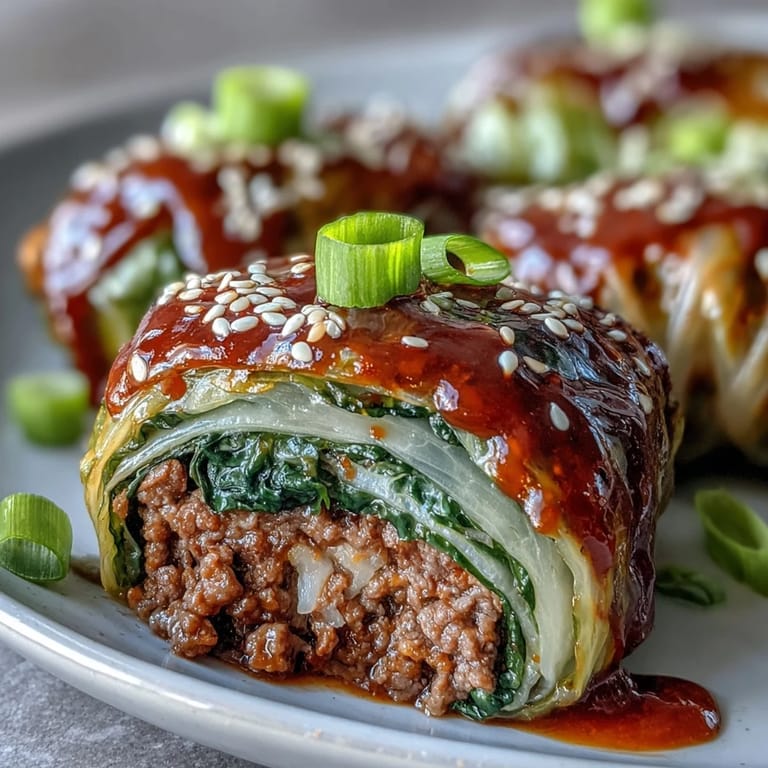
Save There’s something captivating about the aroma that fills the kitchen when spicy ground beef mingles with sweet Napa cabbage. Last spring, as rain pattered on the window, I attempted Korean Cabbage Rolls for the first time mostly out of curiosity and a craving for vibrant flavors. The sizzle of garlic and ginger in the pan quickly became a promise that dinner would be both comforting and lively. The snaps and creaks of cabbage leaves reminded me that cooking can be just as tactile as it is aromatic. In those moments, my cooking playlist faded into the background, letting the scents and sounds take center stage.
Not long ago, friends dropped by unexpectedly, and these cabbage rolls became an impromptu centerpiece—filled, rolled, and steamed while laughter echoed from the other room. We set out mismatched chopsticks and everyone gathered near the kitchen, drawn by curiosity and a whiff of sesame oil.
Ingredients
- Napa cabbage: The leaves are tender and pliable after a brief blanch, making them ideal for rolling – just avoid overcooking so they stay sturdy.
- Ground beef: Rich and hearty, it soaks up the spicy-sweet seasoning; I find that a mix with a little fat yields the most succulent filling.
- Green onions: Their fresh bite balances the depth of the meat perfectly, so don’t skimp on chopping them fine.
- Garlic: Essential for building that savory backbone – mince it well for even flavor throughout every roll.
- Carrot: Adds a subtle sweetness and crunch, brightening up the filling mix.
- Fresh ginger: A little zing goes a long way; grating ensures no fibrous bites and better integration.
- Gochujang (Korean chili paste): Deep, fermented, and spicy, it’s the unmistakable soul of this dish, so choose your favorite brand.
- Soy sauce: It brings umami and a savory saltiness that ties the flavors together – taste before adding more salt elsewhere.
- Sesame oil: Just a splash delivers nuttiness that lingers beautifully through every bite and in the sauce.
- Sugar: A tiny amount mellows the spice and rounds out the filling.
- Black pepper: Use freshly cracked if you can; it adds a gentle, warming heat.
- Toasted sesame seeds: Stir in at the end for a pleasant pop and toasty aroma.
- Dipping sauce mix-ins (soy sauce, rice vinegar, gochugaru, sesame oil, honey, garlic, sesame seeds): This combination produces a sauce that’s tangy, sweet, and a little spicy—taste and adjust the balance as you like.
Tired of Takeout? 🥡
Get 10 meals you can make faster than delivery arrives. Seriously.
One email. No spam. Unsubscribe anytime.
Instructions
- Blanch the cabbage:
- Fill a pot with water and bring it to a bubbling boil. Slip in cabbage leaves just long enough for them to turn flexible, then transfer to cool water before patting them dry with a clean towel.
- Mix up the filling:
- Combine ground beef, chopped veggies, spices, gochujang, and sesame oil in a bowl; use your hands to gently mix, letting the aromas fill your fingers.
- Fill and roll:
- Lay a cabbage leaf flat, scoop in a generous mound of filling, tuck the edges in, and roll up tight like a mini sleeping bag.
- Steam the rolls:
- Arrange each little bundle with seams down in your steamer basket and steam over simmering water until the rolls glisten and the beef is fully cooked.
- Prepare the dipping sauce:
- While the rolls steam, whisk together soy sauce, vinegar, chili flakes, honey, and garlic; watch as the sauce turns glossy and fragrant.
- Serve and enjoy:
- Plate the hot rolls, sprinkle with toasted sesame seeds, and serve with the dipping sauce on the side for dunking.
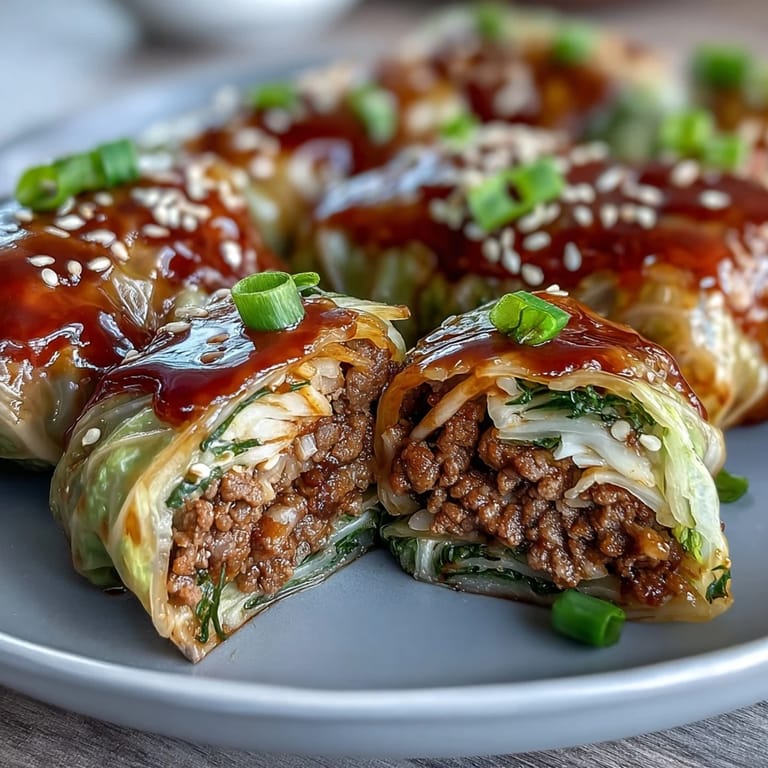 Pin it
 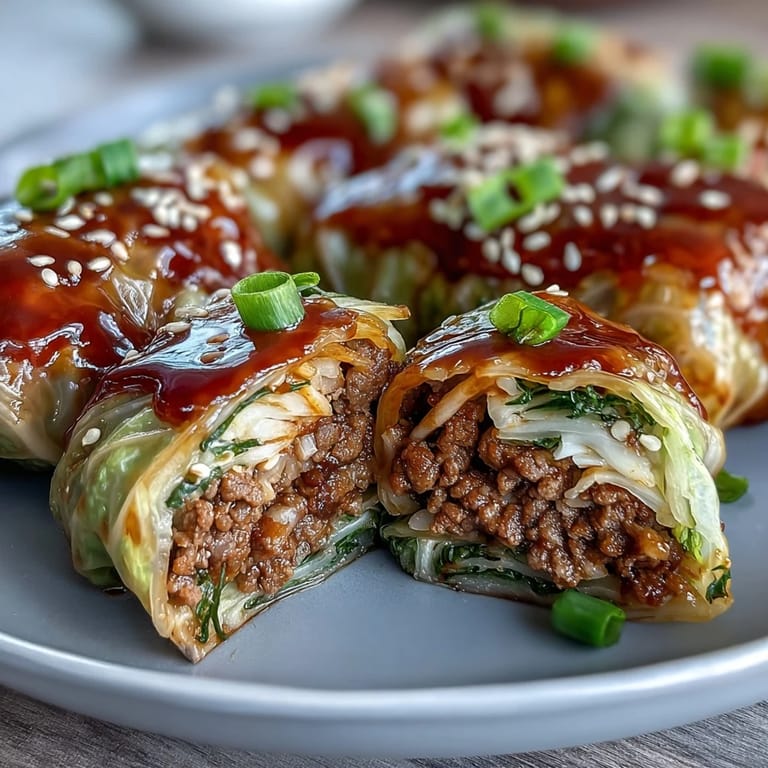 Pin it
 There was a night when these rolls turned an ordinary weekday into something a little bit celebratory — as we dipped them into sauce, the table went momentarily quiet except for delighted hums. That meal felt less about routine and more about sharing a little triumph from the kitchen.
Letting the Flavors Mingle
Once I started assembling all the seasoned beef and veggies, I noticed that letting the filling rest for ten minutes before rolling allowed the flavors to blend and deepen. The gochujang mellows out beautifully, and everything comes together with more cohesion if you give it that short pause.
Sauce Secrets You Shouldn't Miss
I learned the dipping sauce is as important as the rolls themselves—mixing in a dab of honey helped balance out the vinegar and spice, making the flavors pop. A few drops more of sesame oil give that signature luscious aroma right as you bring the rolls to the table.
Rolling and Steaming Without Stress
It took a couple of attempts before I realized not to overfill the rolls, so each stays snug and cooks through evenly in the steamer. Keeping a damp towel nearby helps if your hands get sticky or the leaves start to dry out mid-roll.
- Work in small batches if needed so the cabbage leaves stay pliable.
- Keep the filling cool until you’re ready to use to make rolling easier.
- If any rolls split, place them seam-side down and steam anyway—they’ll hold together just fine.
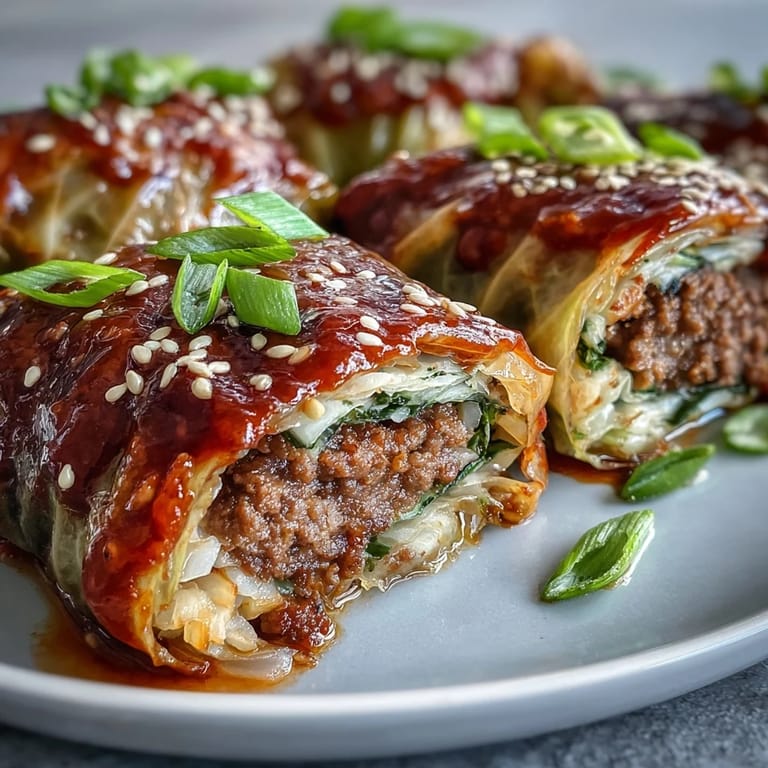 Pin it
 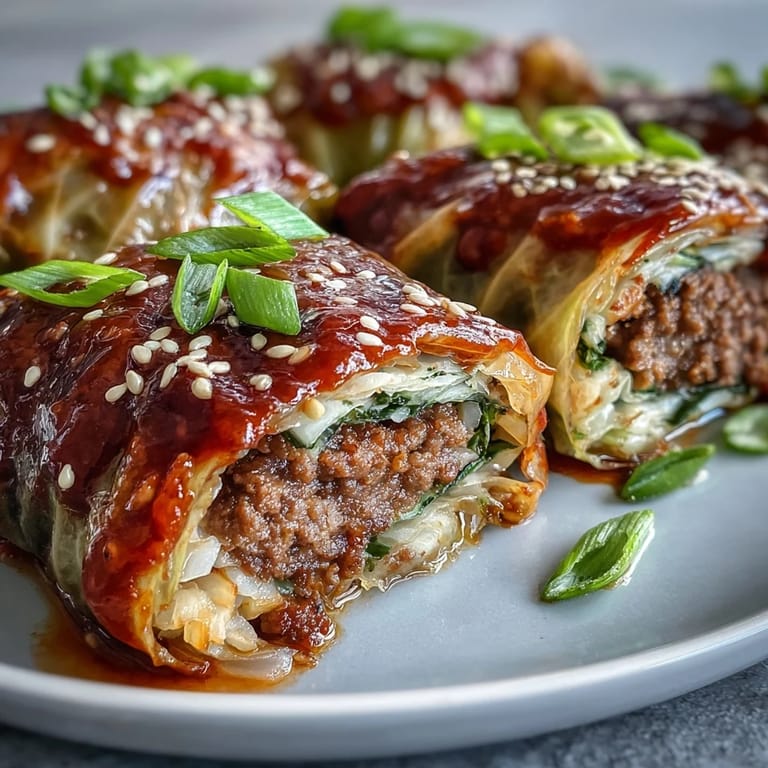 Pin it
 Cabbage rolls always seem to disappear faster than expected, especially with good friends at the table and plenty of dipping sauce to go around. Making this dish brought a new energy and satisfaction to my weekly dinner routine—maybe it’ll do the same for yours.
Frequently Asked Questions
- → How do I blanch cabbage leaves without tearing them?
Core the cabbage and separate leaves carefully. Briefly blanch leaves in boiling water for 1–2 minutes until pliable, then shock in cold water to stop cooking. Pat dry gently to remove excess water before filling to prevent sogginess and tearing.
- → What can I use instead of gochujang?
For a substitute, mix a mild chili paste with a touch of miso or fermented bean paste and a bit of honey or sugar to mimic sweetness and depth. Alternatively, reduce gochujang and boost soy and sesame oil for milder, savory notes.
- → How can I prevent rolls from falling apart during steaming?
Place a generous spoonful of filling near the base, fold the sides in snugly and roll tightly. Arrange rolls seam-side down in the steamer and avoid overcrowding; steaming seam-side down helps them hold their shape.
- → Can I prepare these ahead of time?
Yes. Assemble rolls and refrigerate covered for up to 24 hours, then steam when ready. Cooked rolls keep 2–3 days in the fridge; reheat gently in a steamer to retain moisture, or microwave covered with a splash of water.
- → How long should I steam the rolls?
Steam over simmering water for about 15–20 minutes, depending on size, until the ground beef is fully cooked and juices run clear. Thicker rolls may need a few extra minutes—check one in the center to confirm doneness.
- → What are good side dishes to serve with these rolls?
Serve with steamed rice and kimchi for a classic pairing. Light sides like quick-pickled radish, a simple cucumber salad, or a bowl of miso-style broth also complement the savory, spicy flavors.