 Save
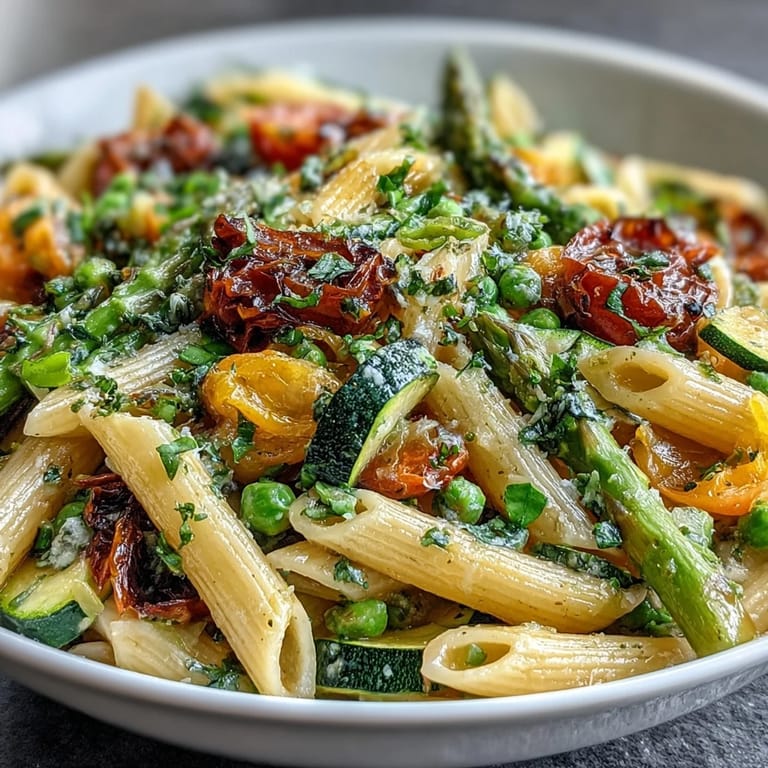
Save The first time I made Spring Pasta Primavera, I remember the sound of rain tapping against my window while I chopped vegetables, turning my kitchen into a riot of color. There was something oddly satisfying about watching asparagus and cherry tomatoes tumble across my cutting board, their freshness instantly lifting my mood. That day, I got playful with the herbs, trusting the scent of basil and parsley to guide me. My cat wandered curiously as I cooked, drawn by the tang of garlic sizzling in olive oil. Making this dish always feels like a celebration of what’s in season, an edible snapshot of spring’s energy.
I once brought a big bowl of this Primavera to a picnic with friends, and the conversation shifted to childhood memories of gardens and farmers markets with every forkful. The sun was just beginning to set, and nobody noticed the menu’s simplicity—they only cared about how fresh and lively it tasted. This recipe has a knack for feeling special in even the most relaxed moments, like sharing a laugh over wine and pasta stains.
Ingredients
- Pasta: Using penne or farfalle grants the perfect canvas for soaking up herb-infused sauce, and I’ve learned to cook it until just al dente for the best texture.
- Zucchini & Yellow Squash: These bring gentle sweetness and color—slicing them into half-moons keeps them from breaking apart as they cook.
- Asparagus: Trimming and cutting into even pieces helps them cook evenly and maintain their snap.
- Cherry Tomatoes: I halve them for more juice and flavor; they soften beautifully, so don’t rush this step.
- Red Bell Pepper: Thinly sliced so they cook quick, adding crunch and sweetness.
- Peas: Both fresh and frozen work—toss them in at the end so they stay bright.
- Garlic & Shallot: Minced and sauteed, their fragrance builds the flavor foundation for the vegetables.
- Basil & Parsley: Chopped just before adding, their freshness lifts the whole dish.
- Lemon Zest & Juice: Adds brightness—zest before juicing for maximum aroma.
- Extra-Virgin Olive Oil: Use a fruity olive oil for a silky mouthfeel and robust flavor.
- Parmesan Cheese: Folded in off-heat, it brings rich umami; add extra at the table for a generous finish.
- Salt & Pepper: Season gradually and taste as you go—spring vegetables deserve a light touch.
- Red Pepper Flakes: Optional, but a pinch wakes up the flavors.
Tired of Takeout? 🥡
Get 10 meals you can make faster than delivery arrives. Seriously.
One email. No spam. Unsubscribe anytime.
Instructions
- Boil and Prep Pasta:
- Fill a big pot with salted water and let it bubble up, then cook the pasta until just barely firm. Save some water before draining—it’ll soon be your secret sauce ingredient.
- Sauté Aromatics:
- Warm olive oil in a skillet, listening for the gentle sizzle as you toss in shallot and garlic. Their scent will tell you when it’s time to move forward.
- Add Veggies:
- Drop in zucchini, squash, asparagus, and bell pepper and stir—their colors should brighten and soften after a few magical minutes. Don’t crowd the pan, so the veggies stay crisp.
- Tomatoes and Peas Time:
- Cherry tomatoes and peas join next; let their juices mingle, cooking just until tomatoes yield and peas pop with color. Keep everything moving for even warmth.
- Combine Pasta and Veggies:
- Toss the drained pasta straight into the skillet and mix gently, coaxing sauce and veggies to become friends. Treat the pasta tenderly so it doesn’t break apart.
- Make It Lively:
- Pour in pasta water, sprinkle lemon zest and juice, and scatter basil and parsley. Finish with a drizzle of olive oil, then season to taste.
- Cheese and Serve:
- Switch off the heat, fold in Parmesan, and stir softly—watch it melt into creamy ribbons. Serve immediately, topped with extra cheese and herbs if you crave a bit more.
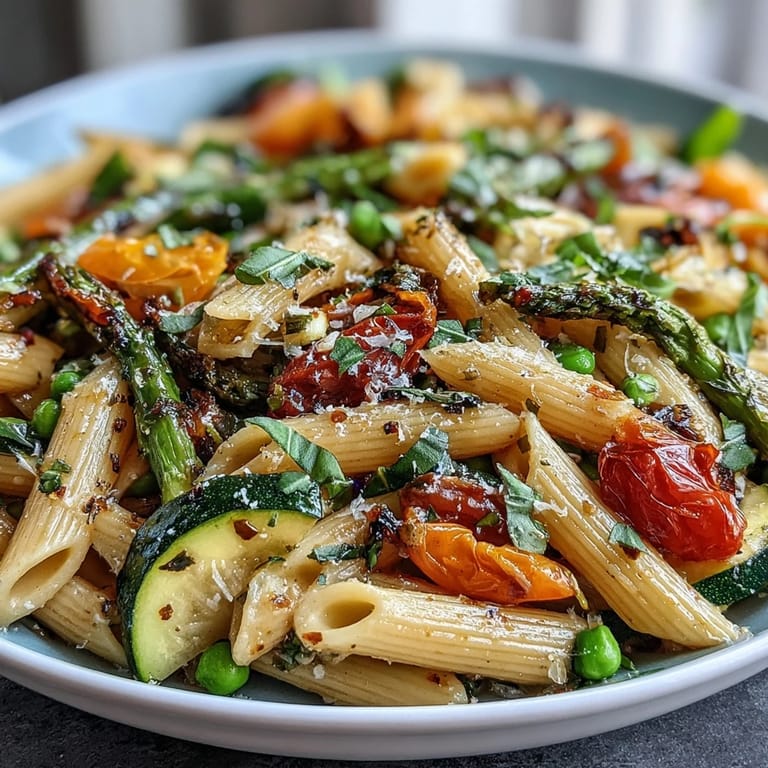 Pin it
 There was a quiet evening when this Primavera made me pause mid-bite, feeling grateful for seasonal produce and simple flavors. Sharing it with family turned an ordinary dinner into spontaneous compliments and requests for seconds—more than just food, it became comfort in a bowl.
Fresh Herbs: The Soul of Primavera
Once, I tried substituting dried herbs in a pinch and the dish missed its lively personality. Chopping basil and parsley just before adding them keeps their fragrance and makes the kitchen smell like spring. Press the herbs gently to release their oils; you’ll notice a difference with every sprinkle.
Getting the Most From Pasta Water
I used to drain all the pasta water without thinking—now I always save a little. It turns the sauce velvety, helping everything cling perfectly to each noodle. If your dish looks dry, add a splash and watch it transform immediately.
Mastering Vegetable Timing
Staggering the veggie order keeps each bite lively—overcooked peas or squash is a disappointment I’ve learned to avoid. If you’re unsure, taste a piece as you go and don’t be afraid to pull veggies a bit early if they feel right. Trust both your eyes and taste buds, especially as spring produce can vary.
- Keep the heat moderate so nothing browns or steams.
- Try swapping veggies based on the market’s freshest picks.
- Don’t add herbs until you switch off the stove—that’s when they shine.
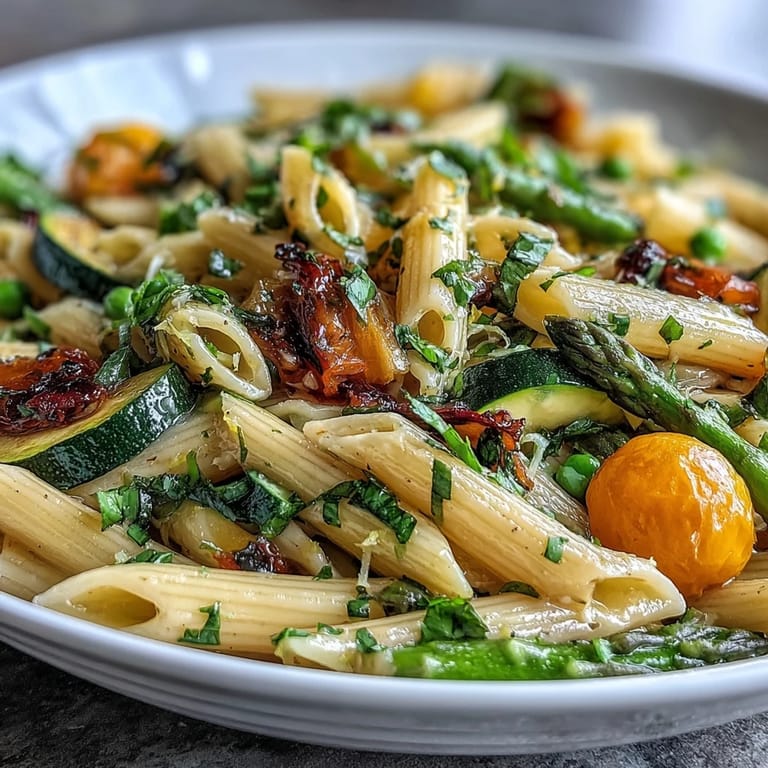 Pin it
 Spring Pasta Primavera is best enjoyed while still warm, with your favorite people gathered around. There’s joy in letting each ingredient speak for itself, and it never fails to set a cheerful mood at the dinner table.
Frequently Asked Questions
- → What pasta shapes pair well with primavera?
Penne and farfalle work beautifully, as their shapes catch chunky vegetables and sauce.
- → Can I use frozen vegetables in this dish?
Yes, frozen peas or asparagus can substitute for fresh; just add them last to avoid overcooking.
- → How should I season the pasta primavera?
Season with salt, pepper, lemon zest, juice, fresh herbs, and a pinch of red pepper flakes for subtle heat.
- → Is it possible to make this vegan?
Simply omit Parmesan or use a plant-based cheese alternative for a vegan-friendly version.
- → What wines complement the dish?
Crisp Pinot Grigio or Sauvignon Blanc pair nicely, enhancing the bright flavors of spring vegetables.
- → Can I add other spring vegetables?
Absolutely! Try snap peas, baby spinach, or artichokes for more variety and seasonal freshness.