 Save
Save I still remember the first time I arranged a rainbow board for my friend's Pride celebration. Walking into the party, I watched people's faces light up when they saw those perfect color stripes cascading across the table—it wasn't just food, it was a statement of joy. That moment taught me that the most beautiful dishes are the ones that celebrate who we are and who we love.
I've learned that grazing boards are less about the ingredients and more about the memories they create. My niece called it 'rainbow magic on a board,' and suddenly it became the one thing everyone asked me to bring to every gathering. That's when I knew I'd created something special.
Ingredients
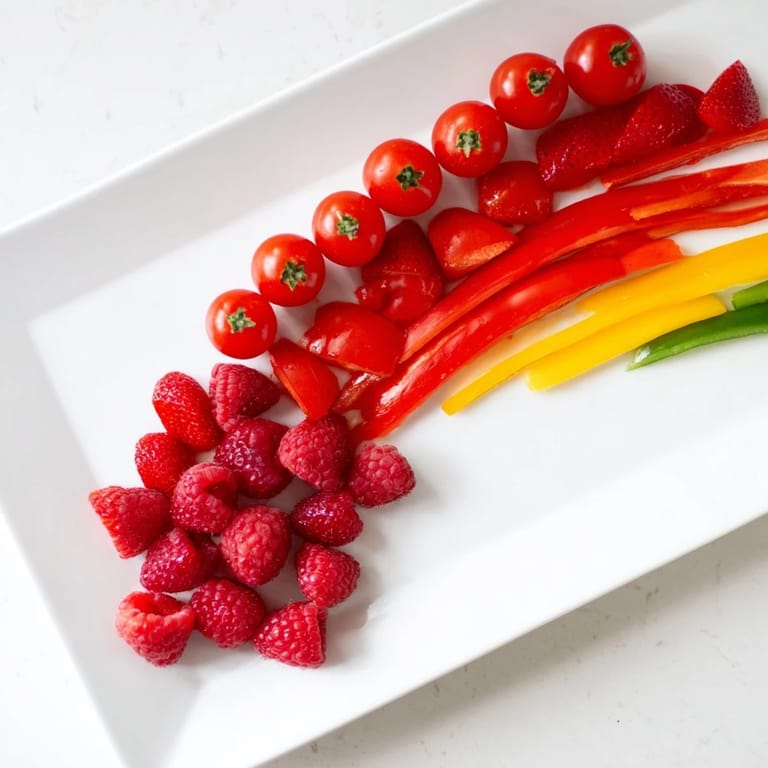
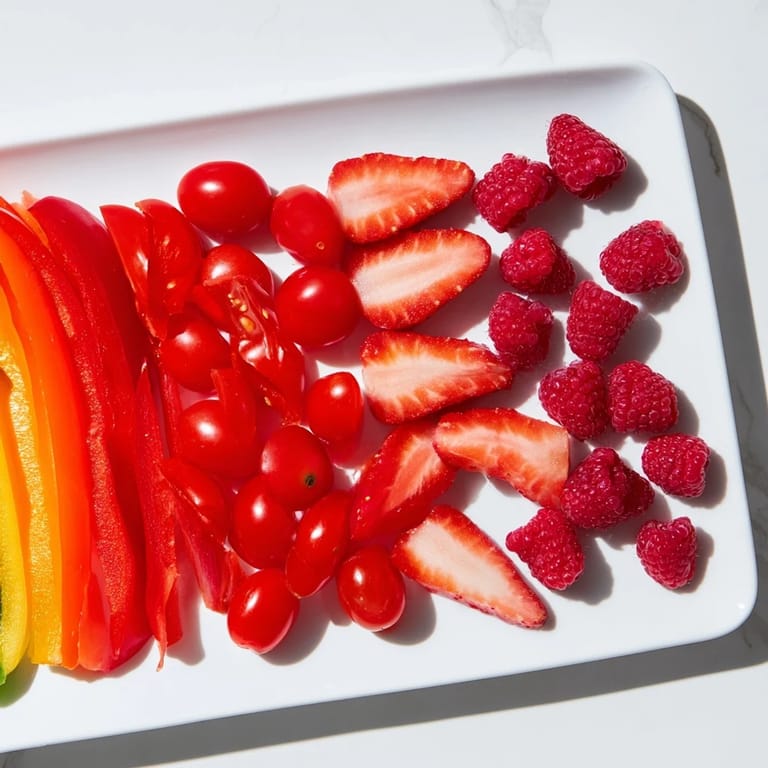
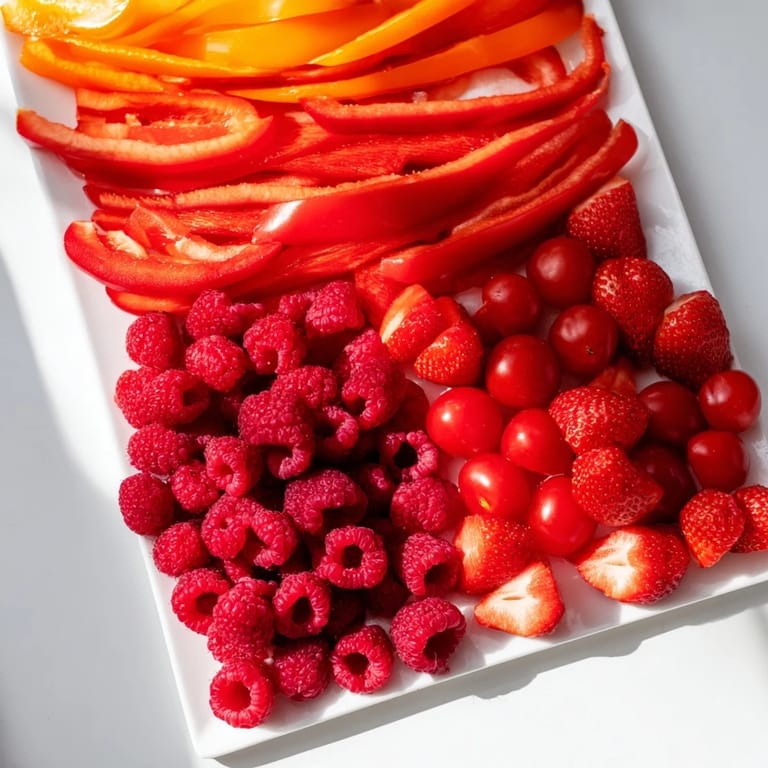
- Red section (cherry tomatoes, strawberries, red bell pepper, raspberries): These are your most striking colors, so let them be bold and vibrant. Cherry tomatoes halved show their jeweled centers, and ripe strawberries should smell sweet enough to draw everyone's attention first.
- Orange section (bell pepper strips, mandarin segments, dried apricots, baby carrots): This color carries warmth and cheerfulness. Fresh mandarin segments feel luxurious, while the apricots add a sophisticated chew that keeps people coming back.
- Yellow section (pineapple chunks, yellow bell pepper, yellow cherry tomatoes, cheddar cheese): These ingredients bring sunshine to your board. The cheddar cubes add a savory element that balances the natural sweetness of the fruit.
- Green section (green grapes, cucumber slices, sugar snap peas, guacamole): Keep this section fresh and crisp. The guacamole should be creamy and served in its own small bowl to prevent browning and to make it feel like a special dip station.
- Blue section (blueberries, blue corn tortilla chips, blackberries, blue cheese): This is the trickiest color to achieve, so lean into the deepness of blackberries and the earthiness of blue cheese. The tortilla chips add texture and a hint of saltiness.
- Purple section (purple grapes, blackberries, purple cauliflower, dried figs): Purple feels elegant and mysterious. The figs add sophistication, while the cauliflower florets keep it fresh and crisp for contrast.
- Accompaniments (gluten-free crackers, hummus): These are the supporting players that tie everything together, offering substance and extra flavor without stealing the spotlight from your rainbow.
Tired of Takeout? 🥡
Get 10 meals you can make faster than delivery arrives. Seriously.
One email. No spam. Unsubscribe anytime.
Instructions
- Wash and prep your entire palette:
- Rinse everything thoroughly and pat dry with paper towels. Moisture is the enemy of a crisp, beautiful board. Cut your vegetables and fruits into bite-sized pieces, but don't be afraid to vary the shapes slightly—halves, strips, chunks, and whole small fruits create visual interest. The knife work should feel meditative, almost like you're painting with your hands.
- Choose your canvas:
- A large rectangular or oval board works best because it naturally guides the eye along the color spectrum. If you're using a round board, you can create concentric rainbow circles instead. Make sure your surface is clean and dry before you begin.
- Plot your rainbow with intention:
- Start with red on one end and imagine gentle, flowing curves for each color section. Think of it like watercolor bleeding slightly into the next shade, but keep the color families separated. Leave about an inch of space between each stripe so the colors pop independently.
- Layer and arrange with care:
- Begin filling in your color sections, mixing shapes and sizes so it looks abundant and naturally gathered. Don't arrange everything in perfect lines—let it feel organic. Place longer items like pepper strips at angles, scatter berries like you're planting a garden, and tuck in the small items like pieces of a puzzle.
- Nestle in the special guests:
- Position your bowls of guacamole and hummus where they feel balanced on the board, ideally between color sections so they don't disrupt the flow. The crackers should be scattered throughout as friendly anchors that hold the composition together.
- Fill the gaps with generosity:
- This is where your board goes from nice to 'wow'—don't leave empty spaces. Extra berries, additional vegetable slices, and handfuls of crackers create that lush, overflowing abundance that makes people want to dig in immediately.
- Present it with pride:
- Bring your board to the table and take a moment to appreciate what you've created before anyone touches it. This is your rainbow, and it deserves to be celebrated.
 Pin it
 The most meaningful moment came when a child who was nervous about coming out sat down and just stared at the board for a while before smiling. I realized then that sometimes food isn't about taste—it's about belonging and celebration. That board represented every color, just like every person deserves to be represented.
Color Psychology on Your Plate
Each color on this board carries its own emotional weight, and that's part of why it's so effective for celebrations. Red draws the eye and signals energy, orange brings warmth and playfulness, yellow radiates happiness, green offers calm and freshness, blue speaks to trust and loyalty, and purple whispers elegance and creativity. When arranged together, these colors tell a story of inclusivity and joy. Understanding this helps you present the board with confidence, knowing that every element serves a purpose beyond just tasting good.
Seasonal Swaps and Local Love
The beauty of a grazing board is its flexibility. In summer, load up on stone fruits and berries for even more vibrancy. In fall, swap orange elements for persimmons or roasted squash strips, and use pomegranate arils for an even deeper red. Winter allows for kiwis, pomelo, and citrus segments. By shopping seasonally and locally, you're not only getting fresher, more flavorful ingredients, but you're also supporting your community and reducing your environmental footprint. Plus, there's something special about serving food that comes from the soil where you live.
Hosting with Heart and Ease
A grazing board is one of the most forgiving entertaining options because it invites people to move, mingle, and eat at their own pace. No plating required, no timing concerns, no stress about temperature. Here's what makes it work as a centerpiece: arrange it on a table where people naturally gather, have napkins nearby, and let the board do the talking. You'll find yourself spending less time in the kitchen and more time actually celebrating with your guests.
- Set out small plates or napkins beside the board so people have an easy way to gather what they want without the mess.
- Keep the board accessible at about waist height so everyone, including children, can easily reach their favorite colors.
- Refresh the board periodically by rotating items from the back and filling in obvious gaps, so it looks intentional even as people enjoy it.
 Pin it
 This rainbow board is more than a recipe—it's an invitation to celebrate exactly who you are and to let everyone around you shine too. Make it with love, serve it with pride.
Frequently Asked Questions
- → How should I arrange the ingredients for the best visual impact?
Arrange ingredients by color in gentle curving lines on a large board, starting with red and progressing through orange, yellow, green, blue, and purple to create a stunning spectrum effect.
- → Can I make this grazing board vegan-friendly?
Yes, simply omit the cheeses or substitute them with plant-based alternatives to maintain the colorful layout and texture variety.
- → What are some good drink pairings with this board?
Fresh sparkling water, crisp white wine, or a dry rosé complement the vibrant flavors and keep the palate refreshed.
- → How do I keep the colors from mixing on the board?
Use distinct groupings, placing ingredients close but not overlapping, and fill gaps with crackers or extra fruits to maintain clean lines between colors.
- → What tools are needed to prepare this grazing board?
A large serving board or platter, sharp knife, cutting board, small bowls for dips, and tongs or serving forks make the process efficient and neat.