 Save
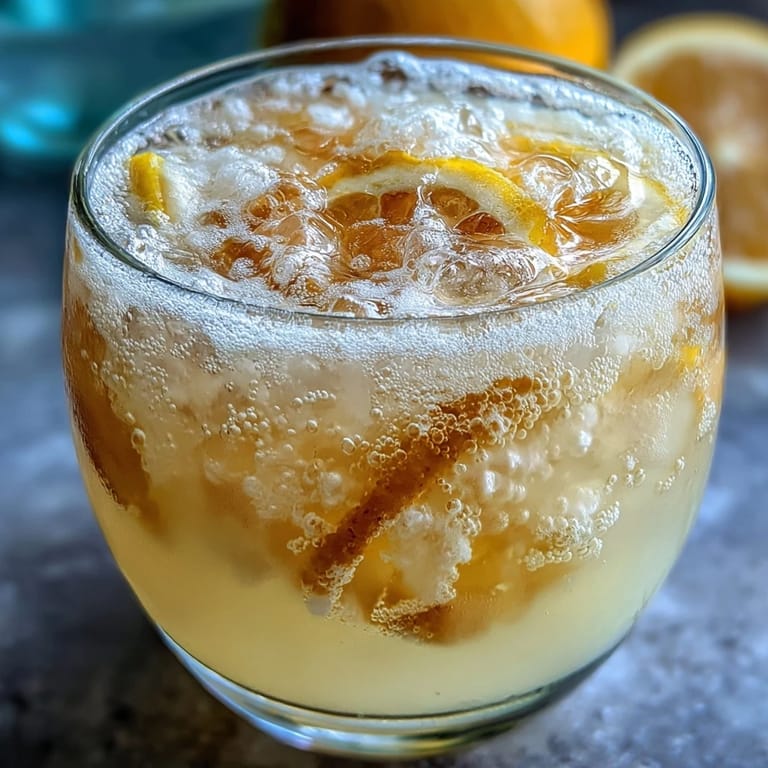
Save It’s funny how the gentle pop of opening a homemade fermented lemonade can make you giddy for something so simple. The first time this happened to me, I almost expected a regular store-bought whiff, but instead, the tangy aroma practically leapt out, bright and wild, promising more than just refreshment. The fizz was a hum—not a roar—the sort that feels almost celebratory in its subtlety. Working with honey always turns the kitchen fragrant, even before the fermentation begins. And honestly, for such a low-effort process, it delivers a drink that feels quietly magical.
I once packed a chilled bottle for a picnic with friends who claim not to care for ‘fancy drinks.' When daylight turned golden, I poured it over ice and everyone went silent at first sip, then burst out laughing at the fizz tickling their noses. That batch vanished faster than expected, lemon-mint perfume lingering in the breeze. It’s since earned a spot at every late afternoon gathering, requested by name. Even the skeptics now ask for the 'happy lemonade.'
Ingredients
- Fresh lemons: Preferably unwaxed, these bring brightness and tang that’s impossible to fake—roll them on the counter before juicing for the most yield.
- Filtered water: Makes a world of difference in clarity and fermentation success—avoid anything chlorinated since it slows the fizz.
- Raw honey (unpasteurized): Not just for sweetness: the wild yeast is what gives life to the bubbles—never swap for regular honey or all you'll get is sweet lemon water.
- Fresh ginger (optional): When I crave a spicy zing, thin slices make the lemonade dance with extra flavor.
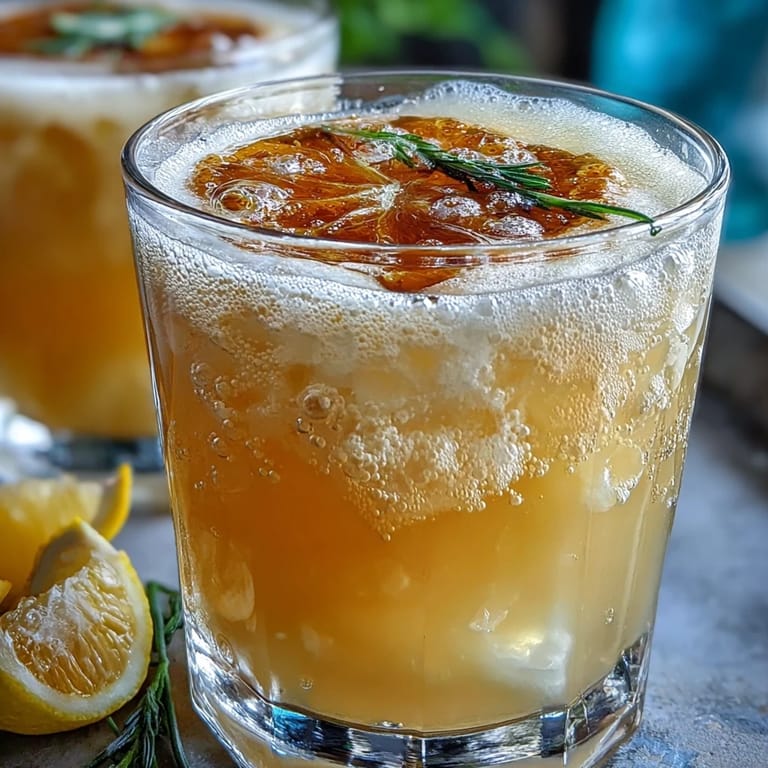
- Fresh mint (optional): Just a sprig adds a lovely herbal note—add it at the start, but fish it out before bottling for best results.
Tired of Takeout? 🥡
Get 10 meals you can make faster than delivery arrives. Seriously.
One email. No spam. Unsubscribe anytime.
Instructions
- Juice and mix:
- Squeeze all the lemons and strain out seeds; combine the juice with filtered water in your biggest, cleanest jar so you have space to stir and smell that instant lemon cloud.
- Sweeten naturally:
- Add the raw honey and whisk or stir repeatedly until the mixture feels smooth between your fingers and not granular.
- Add an herbal touch (optional):
- If you want an extra note, toss in ginger slices or a mint sprig now—they infuse gently as everything ferments.
- Jar and cover:
- Pour the mix into a large glass jar, but leave about two inches headspace; seal with a loose lid or cover with cloth and a rubber band, letting it breathe but not collect dust.
- Ferment with patience:
- Set the jar somewhere out of direct sunlight, room temperature; you might hear occasional faint fizzing as it works.
- Test the tang:
- Check after two days—take a tiny sip with a spoon, and if you’d like it more fizzy leave up to another day but don’t wait too long after it reaches optimum tang.
- Strain and bottle:
- Fish out ginger or mint if you used any, then pour into clean swing-top bottles, closing them tightly—this is when the real bubbles develop.
- Chill and serve:
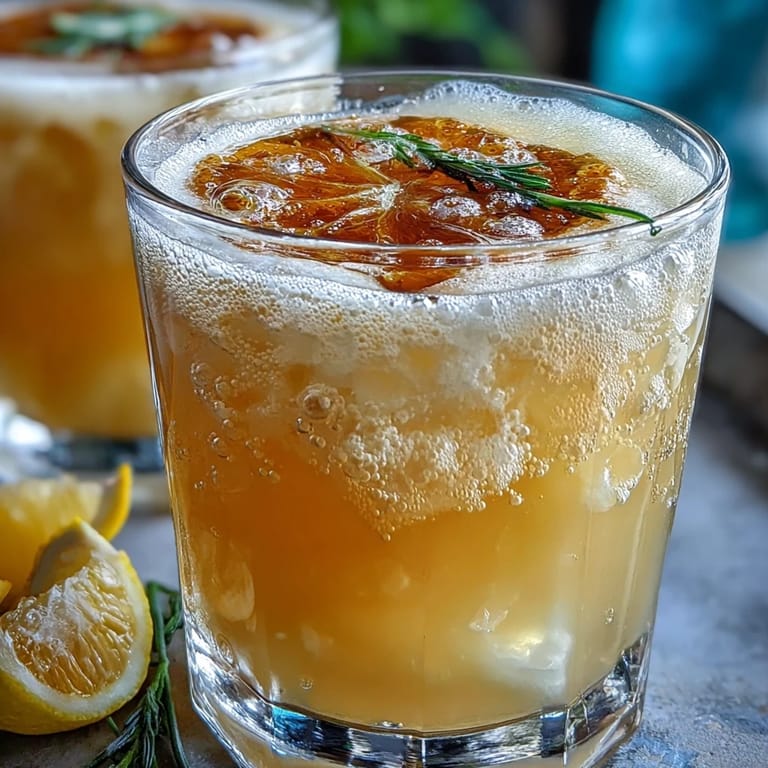
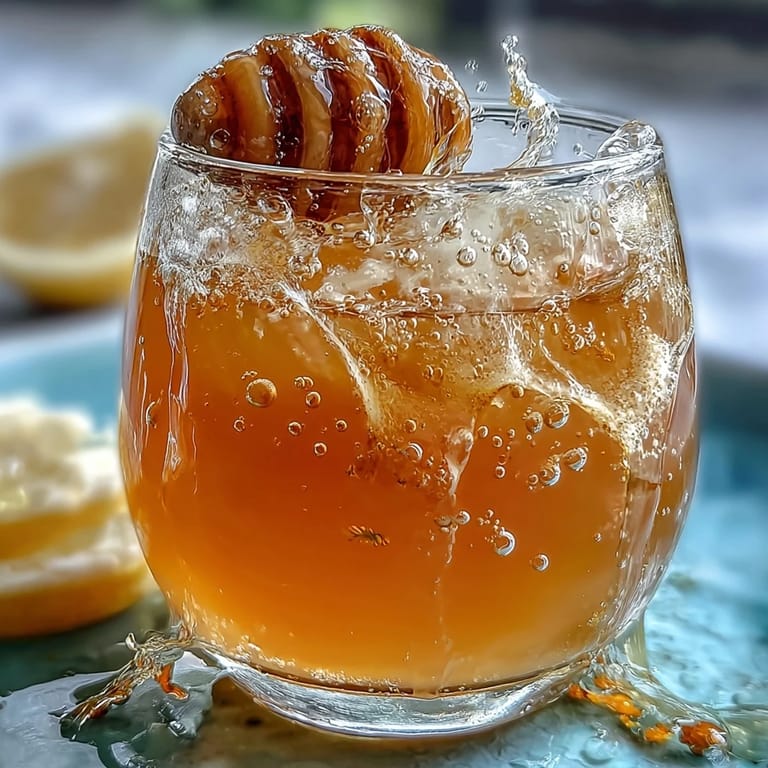
- Refrigerate bottles for a few hours so the bubbles mellow a little, then pour over ice and enjoy watching those natural, happy bubbles rise up.
 Pin it
  Pin it
 I’ll never forget my niece’s look of disbelief when I told her there were probiotics in her lemonade. She wrinkled her nose, gave it a suspicious sniff, then proceeded to gulp it down and ask if we could make it 'with strawberries next time.' That day, my kitchen felt less like a kitchen and more like the world’s smallest science lab—only stickier and louder. That simple bottle turned into a conversation starter and a tradition. It’s amazing how little projects can turn into lasting little rituals.
What If You Want It Extra Fizzy?
The suspense of waiting another day for stronger bubbles can be real, but don’t stray too far; the more days you ferment, the wilder the fizz. I’ve learned that three days usually strikes a good balance, but if you’re after soda-level crackle, pop the bottles carefully and maybe do this part over the sink. Patience here brings the liveliest sparkle. And if you ever make an epic fizz—share the bottle opening with someone just for laughs.
Getting Creative With Flavors
One weekend, I got bold and tossed in a handful of fresh basil and raspberries for a lemonade that looked pretty and tasted herbaceous-sweet. The combinations feel endless, and no one has ever minded a pink glass on a hot day. Single berries or a pinch of sea salt give lovely new notes every batch. Don’t be afraid to riff—your tastebuds will let you know when you’ve hit on something special.
Solving Common Fermentation Worries
When you first try fermenting, it’s normal to be nervous about pressure or odd smells. If in doubt, sniff your jar—fermented lemonade should smell fresh, lemony, maybe yeasty, but never rotten. Tighten swing-top bottles just before refrigerating, and remember to open them slowly: a gentle pop means success, but a geyser means over-fermenting.
- If the color turns murky or dark, discard and try again.
- Even just a few degrees warmer in your kitchen can make it ferment twice as fast.
- Don't forget to label bottles with the date to track the best fizz.
 Pin it
  Pin it
 Here’s to simple pleasures—enjoy your homemade fizz and share the fun with whoever’s curious. You’ll start making excuses to keep a bottle in the fridge, just for a taste of sunshine.
Frequently Asked Questions
- → How long should it ferment?
Ferment at room temperature for 2–3 days, tasting daily. For a stronger fizz you can extend to 4 days, but monitor pressure closely.
- → Can I use regular honey?
Use raw, unpasteurized honey. Pasteurized or processed honey may not ferment well and can reduce natural carbonation.
- → How can I boost carbonation?
Allow a slightly longer ferment, transfer to tight-fitting swing-top bottles, and keep bottles at a warm room temperature while fermenting. Open bottles slowly to release built-up pressure.
- → What are good flavor variations?
Add sliced ginger, fresh mint, berries or a pinch of sea salt before bottling to layer aroma and complexity without altering the base method.
- → How should I store the finished drink?
Refrigerate after bottling and chill at least 4 hours before serving. Keep cold and consume within 1–2 weeks for best fizz and flavor.
- → Is it safe for infants or those with allergies?
Contains honey—do not give to infants under 1 year and check labels for honey or added ingredient allergies before serving.