 Save
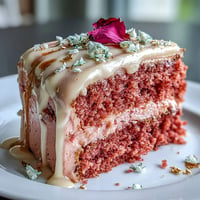
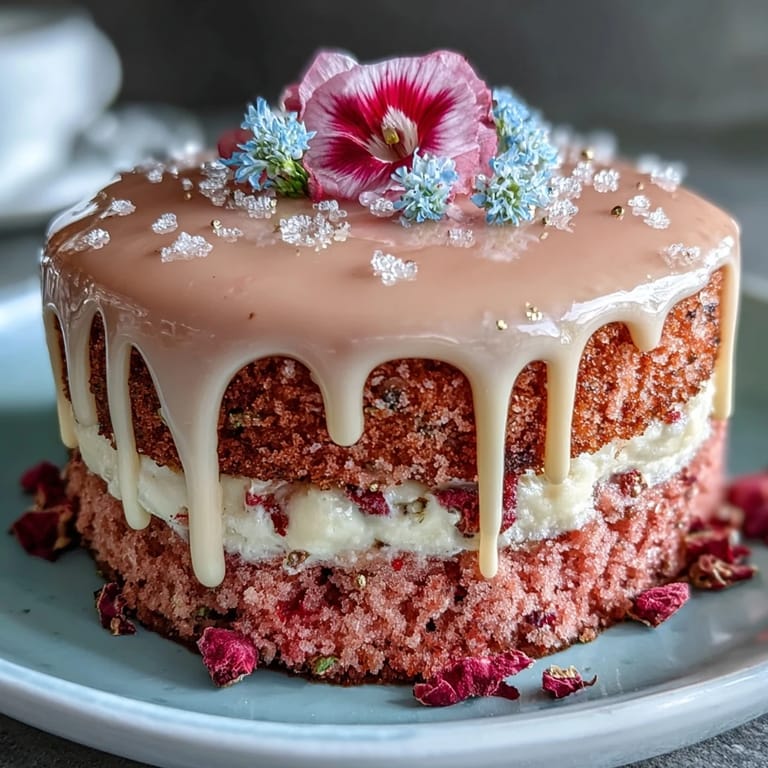
Save As soon as the first whiff of sweet rosé mingled with vanilla and butter wafted from my oven, I remember feeling a little decadent—like I’d just brought the most celebratory part of a bottle of wine into my kitchen. There’s a singular delight in watching cake batter swirl into a blushing pink, equal parts playful and refined. The silent hush that fell as I brushed gold onto the drips said it all: something special was happening. That magical shimmer and gentle fruity aroma felt tailor-made for occasions that ask for memories, not just dessert. If ever a cake had a sense of style, this bridal shower rosé velvet layer does in spades.
There was a rainy afternoon before a dear friend’s bridal shower when I found myself practicing the gold drip, smudging edible paint on parchment until my kitchen sparkled more than I did. After I finally swept the brush over the cooled ganache and stepped back to admire the cake, the impulse to text photos to all my friends was irresistible. Even before the first slice was cut, the cake became our centerpiece—our unofficial guest of honor.
Ingredients
- All-purpose flour: Sifting first gives a finer crumb—a lesson learned after once ending up with a dense layer.
- Cornstarch: This is the secret to that lavishly soft, almost ethereal bite; don’t skip it.
- Unsweetened cocoa powder: Just a hint deepens the cake’s blush and complexity, though you’ll never taste chocolate directly.
- Baking soda: Makes the cake rise evenly—double-check it’s fresh for the lightest texture.
- Salt: It matters for balance; I learned not to overlook that pinch.
- Unsalted butter: Room temperature is a must or you’ll fight lumps, not lumps of love.
- Granulated sugar: For structure and just the right sweetness; creamed properly, it means the cake stays tender.
- Light brown sugar: Adds a subtle caramel note—I love what it does here.
- Eggs: Let them warm up on the counter for richer flavor and better emulsification.
- Rosé wine: Quality shines; the difference is noticeable in fragrance and finish.
- Buttermilk: Tames the crumb and brings signature velvet texture—a splash more if the batter wants it.
- Vanilla extract: A generous pour brings the floral notes of the wine forward.
- Pink gel food coloring: Intensifies the blush—use sparingly and blend well or risk streaks.
- Cream cheese (for frosting): Room temp is crucial for smooth, spreadable magic.
- Confectioners’ sugar: Sifted for pillowy, lump-free frosting—a step my impatience once made me regret.
- White chocolate chips & heavy cream (for drip): Yield a glossy finish that sets beautifully with a chill.
- Edible gold luster dust & clear vodka/lemon extract: Mix just enough for paintable gold—the edible version of glamour.
- Edible flowers or gold leaf (optional): A little flourish goes a long way—don't be shy if you want an extra twinkle.
Tired of Takeout? 🥡
Get 10 meals you can make faster than delivery arrives. Seriously.
One email. No spam. Unsubscribe anytime.
Instructions
- Get Ready to Bake:
- Preheat your oven to 350°F (175°C). Grease and line three 8-inch cake pans, letting the parchment overhang slightly for easy removal.
- Whisk the Dry Mix:
- In a medium bowl, sift together the flour, cornstarch, cocoa powder, baking soda, and salt, watching the cocoa lift in the air—set aside.
- Cream Butter and Sugars:
- Using an electric mixer, beat the butter, granulated sugar, and brown sugar on medium until pale and fluffy; don’t rush this step because the texture truly changes here.
- Add Eggs and Vanilla:
- Crack in the eggs one by one, mixing well after each, then stir in the vanilla to bring it all together.
- Mix the Rosé and Buttermilk:
- Pour rosé and buttermilk into a jug; give it a gentle swirl and admire the soft pink hue.
- Assemble the Batter:
- On low speed, alternately add dry and wet mixes to your butter mixture, beginning and ending with flour, gently folding in some pink gel coloring for a vivid blush if desired.
- Divide and Smooth:
- Distribute the batter evenly among pans, leveling each with a spatula—try not to overthink perfection here.
- Bake:
- Bake for about 28–32 minutes, until a toothpick poked dead-center comes out mostly clean. Let cakes rest in pans for 10 minutes, then invert onto a wire rack to cool fully.
- Make the Cream Cheese Frosting:
- Beat cream cheese and butter together until dreamy and smooth, then slowly add confectioners’ sugar, vanilla, and salt; continue beating until light and fluffy.
- Layer and Frost:
- Spread frosting thickly between layers and around the outside. Use an offset spatula for swirls and chill the assembled cake for 30 minutes to set the structure.
- Create the Gold Drip:
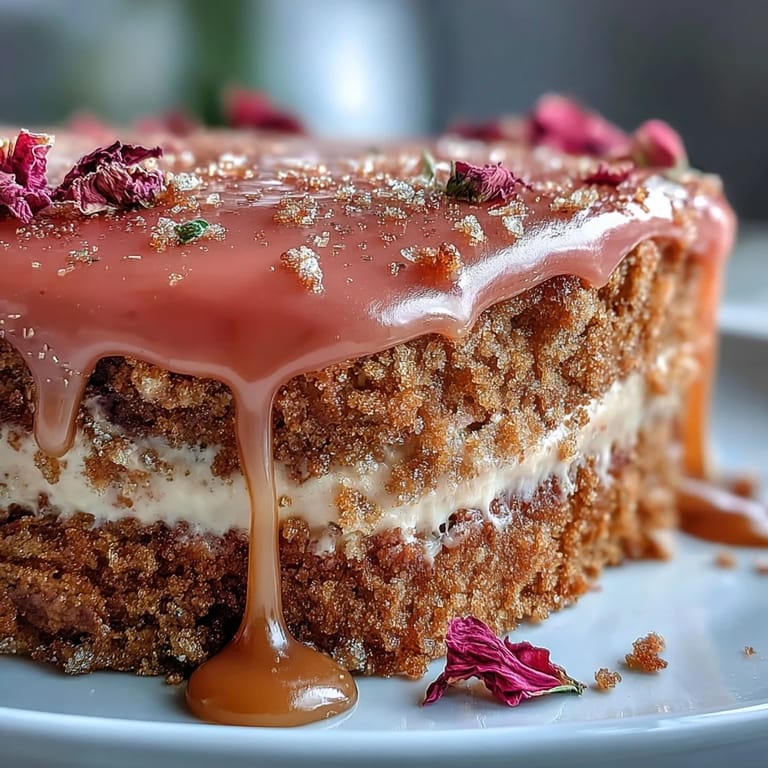
- Gently melt the white chocolate chips and cream over a double boiler, stirring until smooth, then let cool until thick enough to drip but not run away. Spoon ganache around the cake’s top edge so it cascades down, then chill to set.
- Paint the Drip Gold:
- Mix gold luster dust and vodka or lemon extract to make a shimmery paint, and carefully swipe a brush over each set drip for a regal finish.
- Final Flourishes:
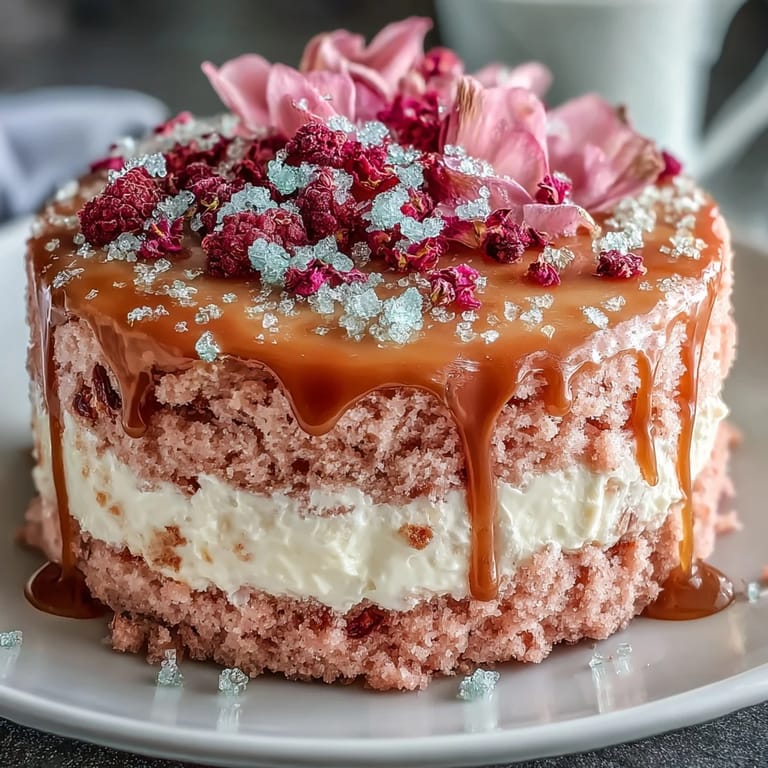
- If you like, nestle on edible flowers or flecks of gold leaf for a showstopping effect.
 Pin it
 I’ll never forget the moment everyone gathered around, phones in hand, snapping pictures before anyone dared cut into the cake. For a heartbeat, it felt like the sweetness of the day—hopes, laughter, and rosy bubbles—were baked right into every layer.
Decorating Without Stress
Brushing edible gold onto chocolate is easier than it looks—just keep your strokes light and don’t expect absolute uniformity. The irregular golden drips often turn out more beautiful than anything perfectly planned. I like to keep a damp paper towel nearby in case the paintbrush gets gunky or my hand gets shaky.
Choosing the Perfect Rosé
I discovered that dry rosé with delicate berry notes infuses the cake with a subtle, floral aroma that lingers without overpowering. One time I tried a sweeter variety, and while delicious, it made the cake almost candy-like—so I always opt for dry or semi-dry now. If you’re swapping for grape juice or cider, go for something tart to keep things balanced.
Troubleshooting Texture and Color
Sometimes I get impatient with mixing and end up with streaks of flour or uneven pink hues—don’t be me: fold everything gently but thoroughly, scraping the bowl. If you overshoot the food coloring, whisk in a bit more flour for balance. Cakes that cool completely are always easier to frost, so resist the urge to rush.
- Keep a toothpick handy for poking and testing doneness.
- If the frosting feels soft, pop it (and your cake) in the fridge for a few minutes.
- Save the edible flowers and gold leaf until the very end to avoid smudging.
 Pin it
 This rosé velvet cake is a celebration all on its own—serve it with a smile and watch even ordinary afternoons turn golden.
Frequently Asked Questions
- → Can I make this non-alcoholic?
Yes. Substitute rosé with pink grape juice or sparkling cider for the same fruity note without alcohol. Reduce any extra liquid slightly if using juice to maintain batter consistency.
- → How do I get an even pink color?
Use a concentrated gel food coloring and add a little at a time until you reach the desired hue. Natural blush can be achieved by omitting color and relying on the rosé's tint.
- → How do I prevent the cream cheese frosting from sliding?
Chill the assembled cake for at least 30 minutes before adding the drip. Ensure the frosting is well whipped and slightly firm; a brief refrigeration helps it hold shape during ganache application.
- → What is the best way to make the gold drip shine?
Use white-chocolate ganache cooled to a pourable but not hot temperature. Once set, mix edible gold luster dust with a few drops of clear vodka or lemon extract and brush onto the drips for a metallic finish.
- → How can I bake three even layers?
Weigh the batter and divide evenly between three prepared 8-inch pans. Tap pans to release air, rotate in the oven if needed, and rely on the toothpick test to confirm doneness without overbaking.
- → How should I store the finished cake?
Store refrigerated in an airtight cake carrier for up to 3 days. Bring to cool room temperature before serving for best texture and flavor; avoid prolonged exposure to heat to protect the gold finish.