 Save
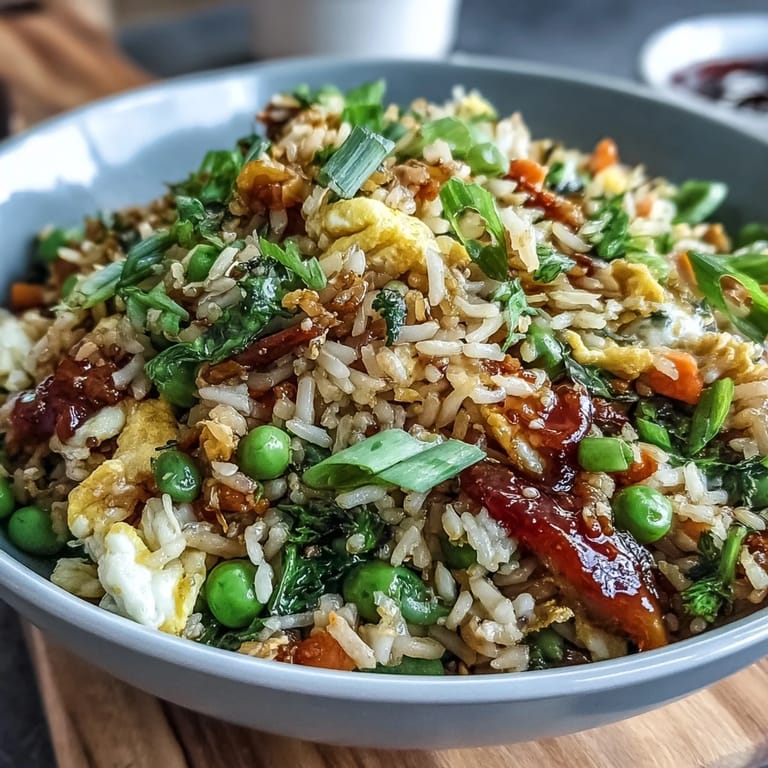
Save There's something about the sizzle of a wok that makes everything feel possible in the kitchen. My neighbor once handed me a container of leftover jasmine rice and challenged me to turn it into something worth eating, which led me down the path of discovering that fried rice doesn't need to be complicated or heavy. What started as an experiment with whatever vegetables were in my crisper drawer became this vibrant, wholesome bowl that tastes restaurant-quality but takes barely half an hour. The beauty is in how the rice gets those crispy, golden edges while staying light, and how each vegetable keeps its own identity rather than turning into mush.
I made this for my sister on a Tuesday evening when she showed up unannounced with her kids, and fifteen minutes later we were all eating straight from the wok like it was the most natural thing in the world. The kids even asked for seconds, which in my experience is rarer than finding a perfectly ripe avocado. That's when I realized this wasn't just convenient food, it was the kind of dish that brings people together without any fussing.
Ingredients
- Jasmine or long-grain rice (3 cups, cooked and chilled): Day-old rice is non-negotiable here because fresh rice has too much moisture and turns into porridge instead of maintaining those individual grains that make fried rice special.
- Spring peas (1 cup, fresh or frozen): These add natural sweetness and a tender bite that feels a bit fancy without requiring you to do anything fancy.
- Carrots (1 cup, finely diced): Cut them small so they soften at the right pace and distribute flavor throughout rather than just being orange specks.
- Red bell pepper (1, diced): The color is beautiful, but it also brings sweetness that balances the savory soy sauce perfectly.
- Green onions (1/2 cup sliced, plus more for garnish): Most go in during cooking so they soften slightly, but save some fresh ones for the top where they keep their brightness.
- Corn kernels (1/2 cup, optional): I skip this sometimes and add it other times depending on what I can find and whether I'm craving that slight sweetness.
- Garlic and ginger (2 cloves minced and 1-inch piece minced): These two are where the aroma magic happens, so don't skimp or use the jarred stuff if you can help it.
- Eggs (2 large, lightly beaten): They create little ribbons of protein throughout and add richness without weighing everything down.
- Soy sauce (3 tbsp): Use tamari if you need gluten-free, and taste as you go because saltiness varies between brands.
- Toasted sesame oil (1 tbsp): This is a small amount but makes an outsized impact on flavor, so don't substitute it with regular sesame oil which tastes flat by comparison.
- Black pepper (1/2 tsp, freshly ground): Fresh ground really does taste different and brighter than pre-ground.
- Sriracha or chili sauce (1 tsp, optional): Add this if you want heat, leave it out if you're cooking for people who prefer gentle spice.
- Vegetable oil (2 tbsp total): Split between cooking the vegetables and the eggs so nothing sticks and everything gets crispy where it should.
Tired of Takeout? 🥡
Get 10 meals you can make faster than delivery arrives. Seriously.
One email. No spam. Unsubscribe anytime.
Instructions
- Set yourself up for success:
- Dice all your vegetables into similar-sized pieces and mince your garlic and ginger before you turn on the heat. Have your cold rice broken up into individual grains by running your fingers through it, because if you wait until the pan is hot you'll be scrambling.
- Start with the vegetables that need the most time:
- Heat 1 tablespoon of oil in your wok or large skillet over medium-high heat until it shimmers, then add carrots and red pepper. Stir constantly for 2 to 3 minutes until they start to soften but still have some snap.
- Build the aromatic base:
- Add your minced garlic, ginger, and the spring peas (along with corn if you're using it), and stir for about 2 minutes until the whole pan smells incredible. You'll know it's ready when the garlic stops looking raw and the peas brighten up.
- Create egg ribbons:
- Push all your vegetables to the side of the pan, add the remaining tablespoon of oil to the empty space, and pour in your beaten eggs. Let them sit for about 30 seconds before gently scrambling them, then toss everything together so the egg breaks into small, delicate pieces.
- Bring the rice to the party:
- Add all your cold rice to the pan and break up any clumps with your spatula, stirring and tossing for about a minute so the rice gets exposed to the heat and starts to separate fully.
- Season and finish:
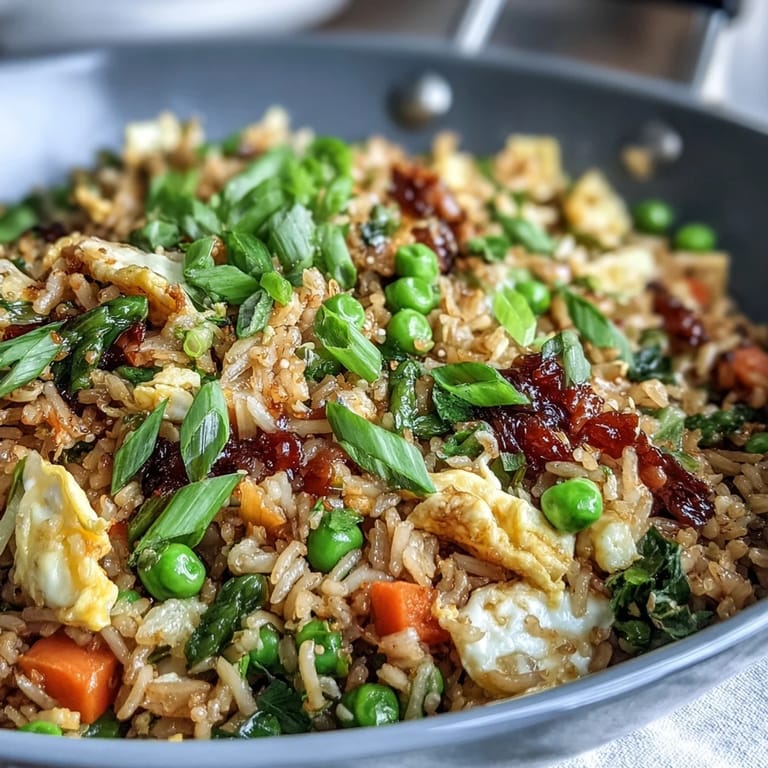
- Drizzle in your soy sauce, sesame oil, and sriracha if you want heat, then crack black pepper over everything. Stir-fry for 3 to 4 more minutes so the rice gets golden in spots and every grain is coated with sauce.
- Brighten it up and serve:
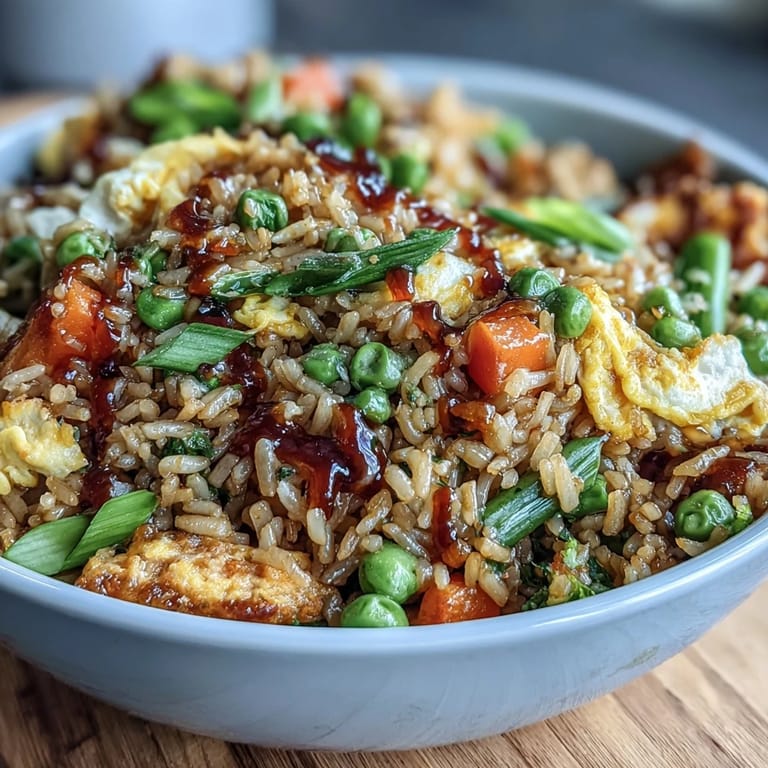
- Remove from heat, toss in your fresh green onions, give everything one more good stir, and transfer to a serving bowl. Garnish with extra green onions and serve while it's still hot.
 Pin it
 My dad, who usually just eats whatever I put in front of him without comment, asked if he could take the leftovers to work the next day. That small moment made the whole recipe feel worth keeping in regular rotation, because it meant I'd created something people actually wanted seconds of, not just ate politely.
Making This Your Own
The vegetable combinations are genuinely endless here, so treat this as a blueprint rather than gospel. Broccoli florets, snap peas, zucchini, mushrooms, or even cabbage will all work beautifully, and the cooking time stays roughly the same. I've made versions with what I had on a Friday night that turned out better than the times I followed the recipe exactly, which tells me that cooking is more about understanding the technique than memorizing ingredients.
Protein Options and Variations
If you want to boost the protein, cubed tofu or tempeh are perfect additions that sauté beautifully alongside the vegetables. For a vegan version, just skip the eggs entirely or scramble some crumbled tofu in that same step, and it honestly tastes just as good. I've also made this with cashews or peanuts mixed in at the end for crunch, which transforms it into something almost fancy enough for company.
Storage and Shortcuts
This keeps beautifully in the refrigerator for up to 4 days, making it ideal for meal prep or when you know you'll want something quick on a busy night. You can also prep all your vegetables in advance so you're just chopping and cooking on the actual day, which cuts the active time down to barely more than the cooking itself.
- Reheat gently in a skillet with a splash of water to restore the texture and prevent it from drying out.
- Frozen vegetables work just as well as fresh, so don't feel obligated to run to the store if you have freezer staples on hand.
- Make extra rice on purpose if you're making it for dinner anyway, because knowing you have fried rice ingredients ready is its own kind of freedom.
 Pin it
 This recipe proves that the best meals don't require hours or complicated techniques, just good ingredients treated with a little attention and care. Come back to it whenever you need something nourishing that happens to taste like you know what you're doing.
Frequently Asked Questions
- → Can I use freshly cooked rice?
Day-old, chilled rice works best to prevent mushiness and clumping during stir-frying.
- → How can I make this dish vegan?
Simply omit the eggs or substitute with scrambled tofu for a plant-based protein alternative.
- → What vegetables can I swap in?
Seasonal veggies like broccoli, zucchini, or snap peas work well for variation and added nutrition.
- → Is tamari gluten-free?
Yes, tamari is a gluten-free soy sauce alternative, ideal for those avoiding gluten.
- → Can I add more protein?
Adding sautéed tofu or tempeh boosts protein content and complements the vegetable flavors nicely.
- → What oil is best for stir-frying?
Vegetable oils like canola or peanut hold up well to high heat and add neutral flavor.