 Save
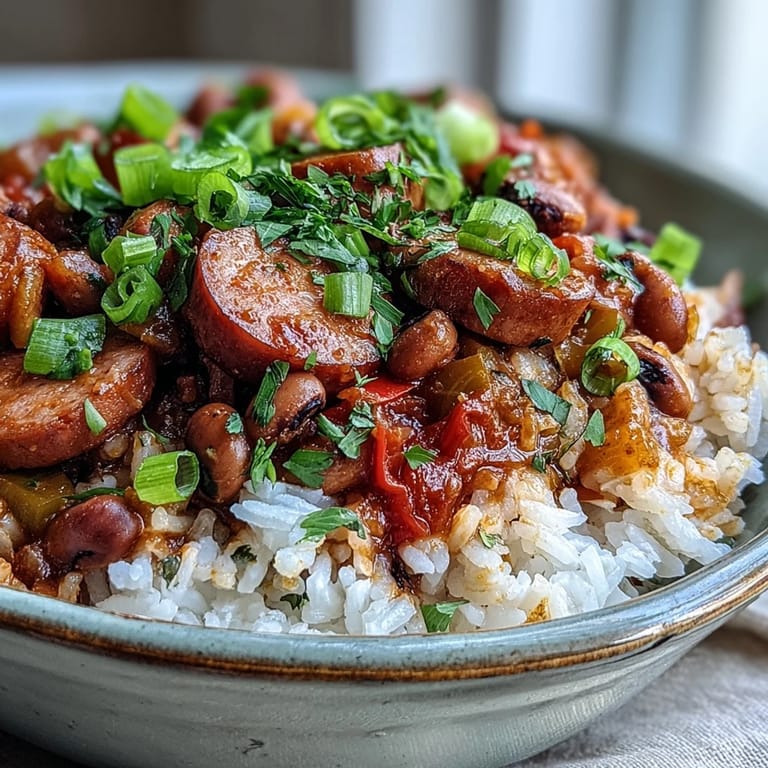
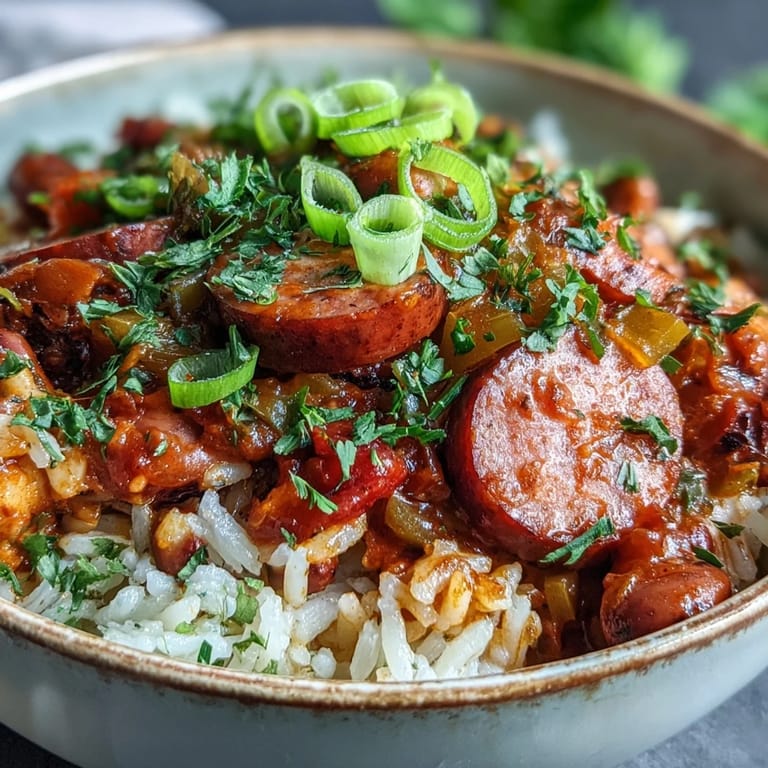
Save There's something magical about the moment when a pot of jambalaya hits that perfect boil, steam rising up and filling your kitchen with the warm, smoky promise of what's coming. I discovered this Black-Eyed Pea Jambalaya while cooking with my neighbor on a chilly evening, when she casually mentioned her grandmother's one-pot trick for feeding a crowd. What struck me wasn't just how everything merged into one glorious dish, but how the smoked sausage and spices transformed something simple into something that tasted like it had been simmering for hours. Now it's become my go-to when I want to feel like I've done something impressive without spending all evening in the kitchen.
I made this for friends who had just moved into our neighborhood, and the minute they walked through the door, that aroma of Cajun spices and smoked sausage seemed to make the whole evening feel warmer. One of them mentioned it reminded them of a trip to New Orleans, and suddenly we were all swapping stories about food and travel while passing around extra hot sauce. That's when I realized jambalaya isn't just dinner—it's an invitation to linger a little longer at the table.
Ingredients
- Smoked sausage (340 g / 12 oz), sliced: Choose Andouille if you can find it for authentic Cajun depth, though a good kielbasa works beautifully too; slice it thick enough that it doesn't disappear into the rice but thin enough to cook through.
- Onion, celery, and bell peppers (1 medium onion, 2 celery stalks, 1 red and 1 green pepper, all diced): This trio is the holy trinity of Cajun cooking, and dicing them roughly the same size ensures they soften evenly.
- Garlic (3 cloves, minced): Add it after the vegetables soften so it doesn't burn and turn bitter in the oil.
- Black-eyed peas (1 can / 425 g / 15 oz, drained and rinsed): Rinsing them removes excess starch and prevents the dish from becoming gluey.
- Long-grain white rice (300 g / 1.5 cups): Jasmine or basmati work too, but white rice absorbs the broth flavors most cleanly.
- Chicken broth (800 ml / 3.3 cups), low-sodium: Low-sodium lets you control the salt and taste the actual spices without the broth overpowering everything.
- Diced tomatoes (1 can / 400 g / 14 oz with juices): The juices are liquid gold for the rice, so don't drain them away.
- Olive oil (2 tbsp): Just enough to build flavor without making the finished dish greasy.
- Cajun seasoning (1.5 tsp), smoked paprika (1 tsp), dried thyme and oregano (0.5 tsp each): These spices are what make it jambalaya and not just rice and beans; layer them all together so each one finds its place in the final dish.
- Bay leaf (1): Remove it before serving—it's there for flavor, not eating.
- Salt (0.5 tsp), black pepper and cayenne (0.25 tsp each): Taste as you go; everyone's spice tolerance is different, and you can always add more cayenne at the end.
- Spring onions and fresh parsley for garnish: The fresh herbs brighten everything up and remind you that this dish has layers of flavor even after it's been simmering.
Tired of Takeout? 🥡
Get 10 meals you can make faster than delivery arrives. Seriously.
One email. No spam. Unsubscribe anytime.
Instructions
- Brown the sausage first:
- Heat the olive oil in your Dutch oven or heavy pot over medium heat, then add the sliced sausage and let it sit undisturbed for 2 minutes before stirring; you're looking for a light golden-brown color that tells you the edges are crispy and the flavor is concentrated. This takes about 4–5 minutes total.
- Build the flavor base:
- Add the diced onion, celery, and both bell peppers to the sausage and let them cook together for about 5 minutes, stirring occasionally; you want them soft enough to release their sweetness but still holding their shape. The kitchen should smell incredible at this point—that's your signal you're on the right track.
- Awaken the garlic:
- Stir in the minced garlic and cook for just 1 minute until fragrant; any longer and the heat will burn it, turning it from sweet and aromatic to harsh and bitter. You'll know it's ready when you can smell it clearly.
- Toast the rice:
- Add the long-grain rice directly to the pot and stir it around for 1–2 minutes, coating every grain in the oil and vegetables; this technique, called blooming, helps the rice absorb the broth more evenly and prevents mushiness. Don't skip this step—it makes a real difference in the final texture.
- Combine everything:
- Pour in the chicken broth, the diced tomatoes with their juices, the drained black-eyed peas, Cajun seasoning, smoked paprika, thyme, oregano, bay leaf, salt, black pepper, and cayenne if you're using it; give it a good stir so all the spices dissolve and nothing gets stuck to the bottom of the pot. This is your moment to taste and adjust seasoning before it simmers.
- Simmer low and slow:
- Bring the mixture to a boil over medium-high heat (you'll see big rolling bubbles), then immediately reduce to low and cover the pot with a lid; set a gentle timer for 20–25 minutes. The rice should absorb the liquid without drying out the pot or leaving it soupy.
- Let it rest:
- Once the timer goes off, remove the pot from heat, keep the lid on, and let it sit undisturbed for 5 minutes; this allows the rice to finish cooking gently in the residual steam. Don't peek—I know it's tempting, but lifting the lid releases that steam.
- Finish and serve:
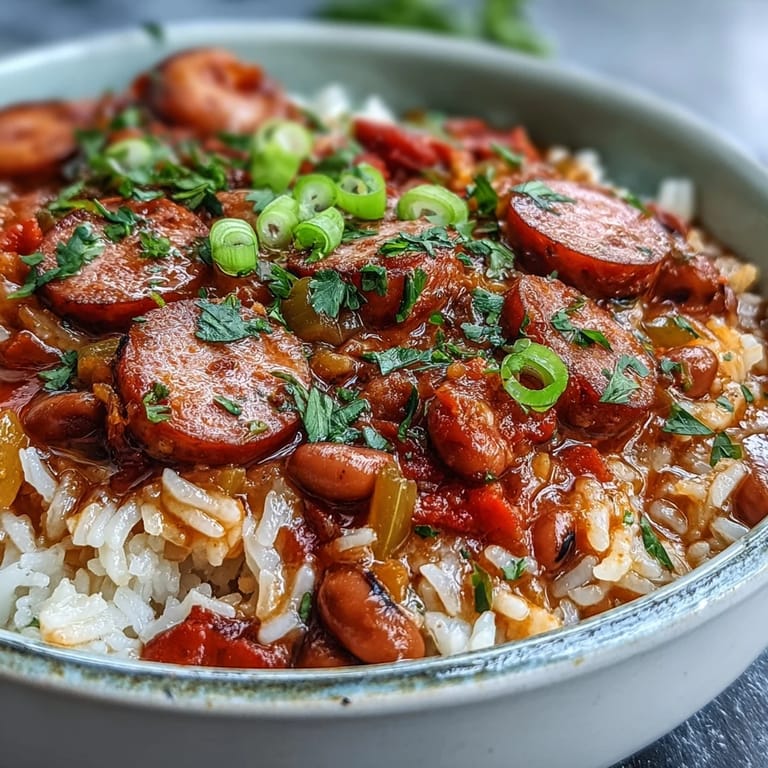
- Use a fork to gently fluff the jambalaya, breaking up any clumps of rice and making sure the sausage and peas are evenly distributed. Remove the bay leaf, top with fresh spring onions and parsley, and serve while it's warm.
 Pin it
 My favorite moment with this dish happened when my young niece asked if she could help make it, and I let her stir the pot while the spices bloomed through the oil and vegetables. She was so focused on getting the smell right, adjusting the heat slightly when something seemed wrong, that I realized she was really tasting the process, not just watching someone cook. That's the gift of jambalaya—it's forgiving enough for a beginner to feel confident, but deep enough in flavor that even experienced cooks find something new to love.
Why This Becomes a Favorite
Jambalaya exists in that sweet spot where it's humble enough to feel everyday, but impressive enough to serve to people you want to impress. There's no pretense here—just honest cooking that rewards good ingredients and a little attention. The beauty is in how the smoked sausage, black-eyed peas, and warm spices work together to create something that's genuinely greater than the sum of its parts.
Building Your Spice Confidence
The first time I made this, I was nervous about the Cajun seasoning, worried it would overpower everything and ruin the dish. But when I tasted it at the end, I realized that each spice had its own role—the paprika added depth and color, the thyme and oregano whispered in the background, and the cayenne was optional, waiting for whoever was eating to decide how much heat they wanted. Understanding this changed how I cook in general, because I stopped seeing spices as threats and started seeing them as voices in a conversation.
Making It Your Own
The magic of jambalaya is that it's forgiving; you can swap vegetables, adjust spices, or add a little extra broth if you prefer a soupier result. One friend makes hers with okra instead of one of the bell peppers, another stretches it with extra black-eyed peas to feed more people, and both versions are absolutely delicious. The dish asks you to pay attention and taste as you go, but it doesn't demand perfection.
- Vegetarian version: Skip the sausage and use vegetable broth; add extra mushrooms, beans, or diced sweet potato for heartiness.
- Make-ahead friendly: This tastes even better the next day when flavors have melded, so don't hesitate to cook it ahead and reheat gently.
- Spice adjustment: Taste before serving and add hot sauce on the side if you want more heat without changing the recipe itself.
 Pin it
 This jambalaya has become one of those dishes I reach for when I want to feel capable in the kitchen and feed people something that tastes like care. It's proof that the best meals don't require fancy techniques or hard-to-find ingredients—just the willingness to let flavors build and share what you've made with someone you want to know better.
Frequently Asked Questions
- → Can I make this vegetarian?
Simply omit the smoked sausage and swap chicken broth for vegetable broth. Add extra black-eyed peas or sliced mushrooms to maintain heartiness and protein content.
- → What type of rice works best?
Long-grain white rice is traditional as it stays fluffy and separate. Brown rice can be used but will require additional cooking time and more liquid.
- → How spicy is this dish?
The Cajun seasoning provides moderate heat. Adjust the spice level by reducing or increasing the cayenne pepper, and serve hot sauce on the table for custom heat.
- → Can I use dried black-eyed peas instead of canned?
Yes, soak and cook dried peas separately until tender before adding. This adds prep time but allows more control over texture and salt content.
- → How should I store leftovers?
Store in an airtight container in the refrigerator for up to 4 days. Reheat gently with a splash of broth or water to restore moisture.
- → Can I freeze this?
This freezes well for up to 3 months. Portion into freezer-safe containers, cool completely, then freeze. Thaw overnight in the refrigerator before reheating.