 Save
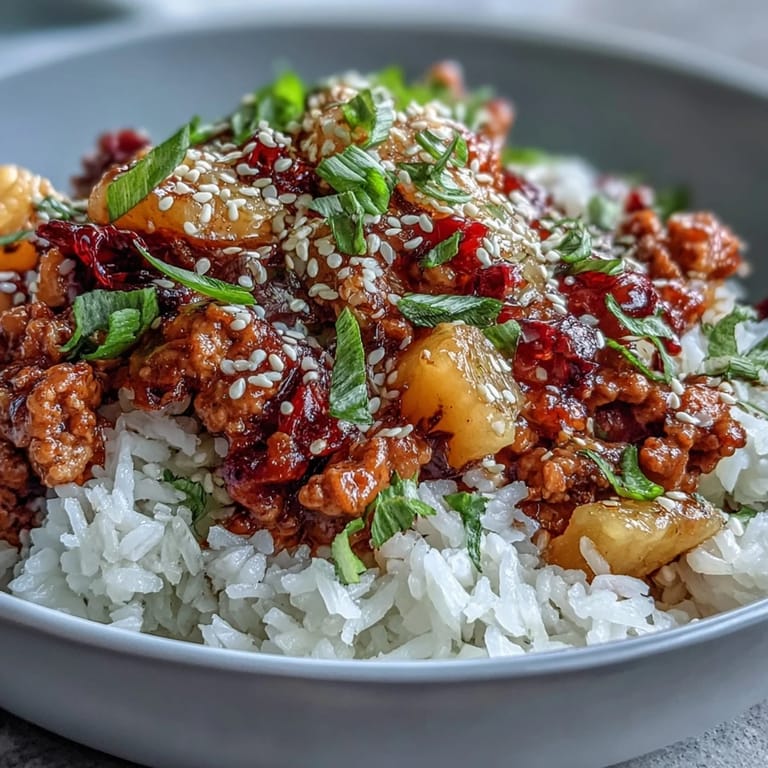
Save My kitchen smelled like caramelized onions and gochujang the first time I threw this together on a Tuesday night when my fridge was half-empty and my appetite was not. I'd been curious about Korean flavors for months, but always intimidated by recipes that seemed to demand a dozen specialty ingredients or obscure techniques. This skillet changed that for me because it proved you didn't need to be precious about fusion cooking—you could trust your instincts, use what you had, and still end up with something that tasted intentional and bright.
I made this for my neighbor Sarah on a rainy evening when she'd just moved in, and I wanted something unpretentious but interesting to share. She texted me the next day asking for the recipe, and the fact that she actually made it herself told me everything I needed to know about how forgiving and adaptable this dish really is. Since then, it's become my go-to when I want to feed people without the stress.
Ingredients
- Ground turkey (1 lb): This is your protein anchor, and using ground turkey keeps things lighter than beef while still giving you hearty substance. Brown it properly by letting it sit undisturbed for a minute or two so it develops color rather than just steaming.
- Jasmine or long-grain rice (2 cups, day-old): Day-old rice is genuinely better here because fresh rice gets mushy when it absorbs the sauce. If you only have fresh rice, spread it on a plate and let it cool completely before adding it to the skillet.
- Yellow onion and bell peppers: The onion brings sweetness as it cooks, while the red and green peppers add color and a crisp texture that contrasts beautifully with the soft turkey and rice.
- Gochujang (1 tbsp): This Korean chili paste is the secret that makes this dish feel special—it's spicy, funky, and slightly sweet all at once. Start with 1 tablespoon and add more if you like heat, because it's easier to adjust than to dial it back.
- Pineapple chunks (1 cup): Fresh pineapple is ideal for texture, but canned works fine if you drain it well. The fruit adds sweetness and acidity that balances the umami from the soy sauce and gochujang.
- Soy sauce, rice vinegar, brown sugar, and sesame oil: Together, these create the glossy sauce that ties everything together. The vinegar cuts through the richness, the sugar rounds it out, and the sesame oil adds a toasty finish that makes you feel like you've been cooking for hours.
Tired of Takeout? 🥡
Get 10 meals you can make faster than delivery arrives. Seriously.
One email. No spam. Unsubscribe anytime.
Instructions
- Heat your oil and brown the turkey:
- Get your skillet hot and let the oil shimmer before you add the meat, then resist the urge to stir it constantly. Let it sit in patches so it gets golden and develops real flavor instead of just turning gray.
- Build your vegetable base:
- Once the turkey is cooked through, add your onion and peppers and let them soften for a few minutes until they lose their raw edge but still have some snap to them. The garlic goes in at the end of this step so it doesn't burn.
- Bring in the pineapple:
- Add the drained pineapple chunks and let them warm through for just a minute or two. This is when your kitchen starts to smell like something special is happening.
- Mix your sauce:
- Whisk together your soy sauce, gochujang, rice vinegar, brown sugar, ketchup, and sesame oil in a small bowl before you add it to the pan. This ensures even distribution rather than clumps of gochujang that don't mix properly.
- Fold in the rice and bring it all together:
- Break up any clumps of cold rice with your spoon as you add it, then stir everything for 2 or 3 minutes so the rice absorbs the sauce and heats all the way through. You're not making fried rice here, just making sure everything is warm and coated.
- Taste and adjust:
- Before you plate it, take a spoonful and really taste it—you might want more soy sauce for saltiness, more vinegar for brightness, or more gochujang for heat. Trust what your tongue tells you.
- Finish and serve:
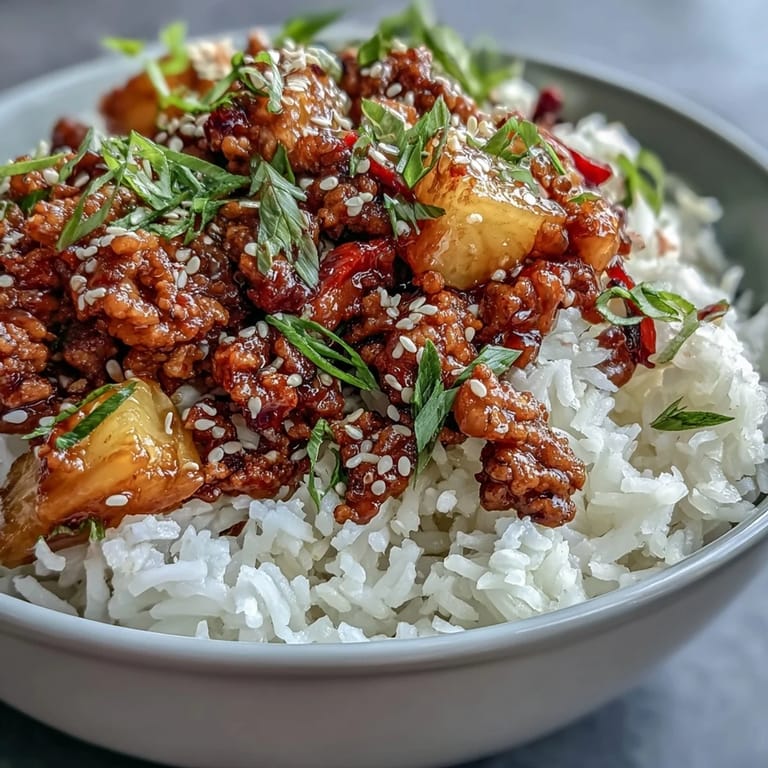
- Scatter green onions and sesame seeds over the top if you have them, then eat it while it's still warm and the peppers are still a little crisp.
 Pin it
  Pin it
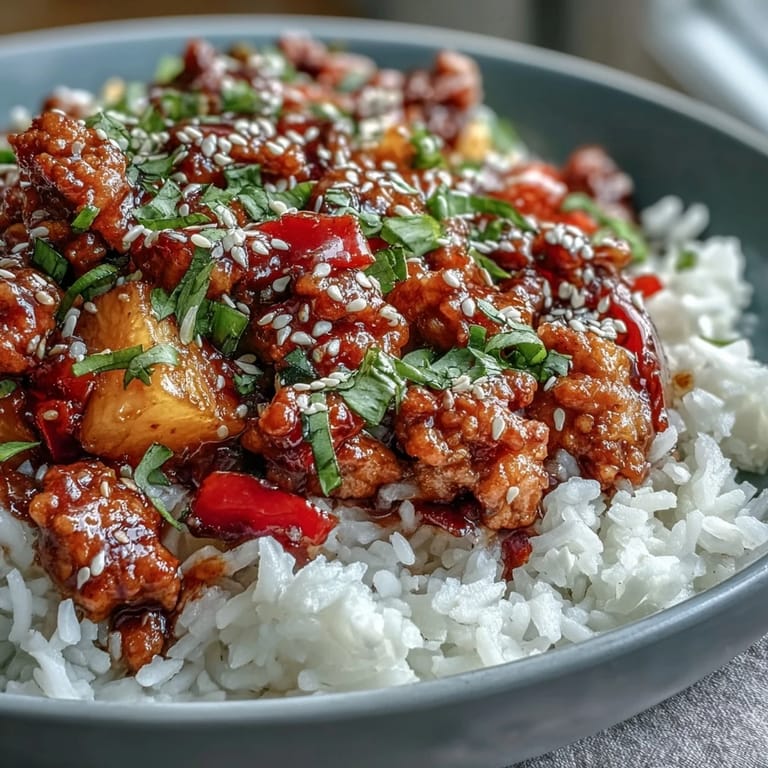
 There's something almost meditative about watching all those separate ingredients—the golden turkey, the jewel-toned peppers, the bright pineapple chunks, the glossy sauce—come together into one unified, fragrant dish. It reminded me that cooking doesn't have to be complicated to feel like a small act of care.
Why This Dish Works as a One-Pan Meal
One-pan meals get a reputation for being boring, but this skillet proves they can be as exciting and layered as any multi-step dish. The rice cooks in the same pan as everything else, absorbing all the flavor that the other ingredients leave behind, so by the time you eat it, every grain has been seasoned and enriched. There's no sad, flavorless rice trapped under a topping or mixed in halfheartedly at the end—it's genuinely part of the finished dish, not an afterthought.
Adjusting the Heat and Flavor
Gochujang is spicy enough to give you warmth without being mean about it, but if you like your food hotter, add another teaspoon or a pinch of red pepper flakes while you're sizzling the vegetables. On the flip side, if you're cooking for people who are sensitive to spice, you can reduce the gochujang to half a tablespoon and add a touch more brown sugar to keep the sweet-sour balance intact. The beauty of this recipe is that it's genuinely forgiving—the core flavors are strong enough to hold up to tweaking.
Serving and Pairing Ideas
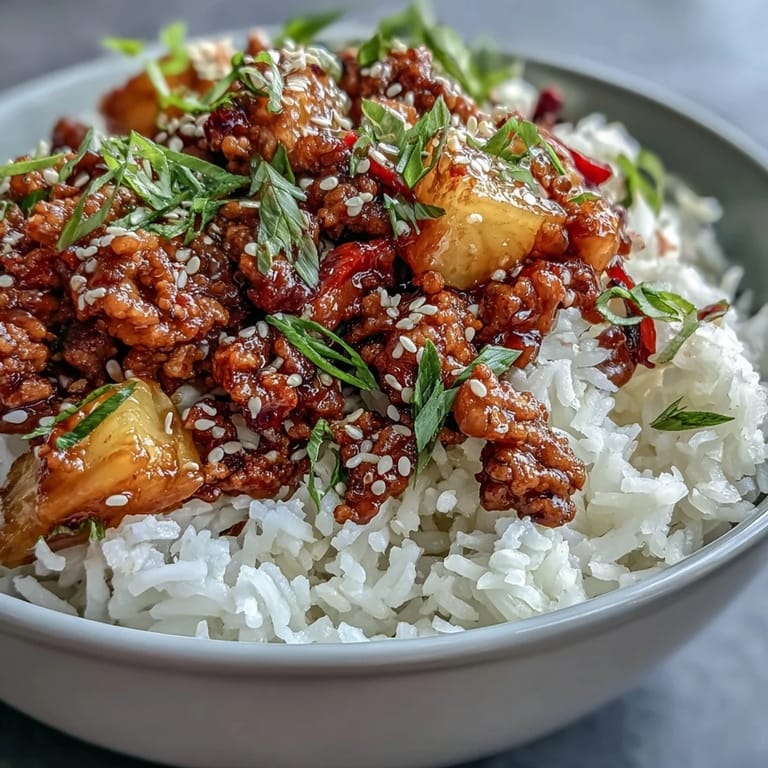
This skillet is honestly good on its own, piled into a bowl while it's still steaming, but it also plays nicely with others if you want to build a meal around it. A crisp Riesling is perfect because the acidity echoes the rice vinegar in the sauce, while a cold lager just makes you want to keep eating. If you've got leftover ginger, you could pickle some quickly in rice vinegar and pile it on top for extra brightness, or serve it alongside a simple cucumber salad if you want something cool and crisp to balance the warm pan.
- Serve it directly from the skillet if you're cooking just for yourself, or transfer it to a platter for family-style eating that feels more generous.
- Leftovers reheat beautifully on the stovetop with a splash of water to loosen the sauce back up, or even cold if you want it as a rice bowl the next day.
- Garnish just before serving so the green onions stay bright and the sesame seeds don't lose their crunch.
 Pin it
  Pin it
 This is the kind of recipe that reminds you why you love cooking—it's straightforward enough not to stress you out, but interesting enough to feel like a real meal. I hope it becomes something you make often, and that your kitchen smells just as good as mine did that first Tuesday night.
Frequently Asked Questions
- → Can I use fresh rice instead of day-old?
Fresh rice tends to become mushy in skillet dishes. Day-old rice has dried out slightly, which helps maintain fluffy texture and prevents clumping. If you must use fresh rice, spread it on a baking sheet and refrigerate uncovered for 1-2 hours before cooking.
- → What can I substitute for gochujang?
Sriracha or sambal oelek works as a spicy substitute, though you'll miss the fermented depth. For a non-spicy alternative, use additional tomato paste with a pinch of cayenne. Gochujang is widely available in Asian markets and many grocery stores.
- → Is this dish gluten-free?
Traditional gochujang and soy sauce contain gluten. To make this dish gluten-free, use tamari instead of soy sauce and seek out certified gluten-free gochujang. Check ketchup labels as well, as some brands contain wheat-based thickeners.
- → Can I meal prep this sweet and sour skillet?
Absolutely. Portion cooled servings into airtight containers and refrigerate for up to 4 days. Reheat in a skillet over medium heat with a splash of water to refresh the sauce. The flavors often improve overnight as ingredients meld together.
- → What other proteins work well in this dish?
Ground chicken or pork are excellent substitutes that cook similarly to turkey. For a plant-based version, use crumbled tofu or meatless grounds. Shrimp or diced chicken thigh pieces also work wonderfully—just adjust cooking time accordingly.
- → How can I make this dish spicier?
Increase the gochujang to 2 tablespoons or add red pepper flakes to taste. A drizzle of sriracha or sliced fresh chilies during garnish also kicks up the heat. Remember that gochujang's heat builds, so taste as you go.