 Save
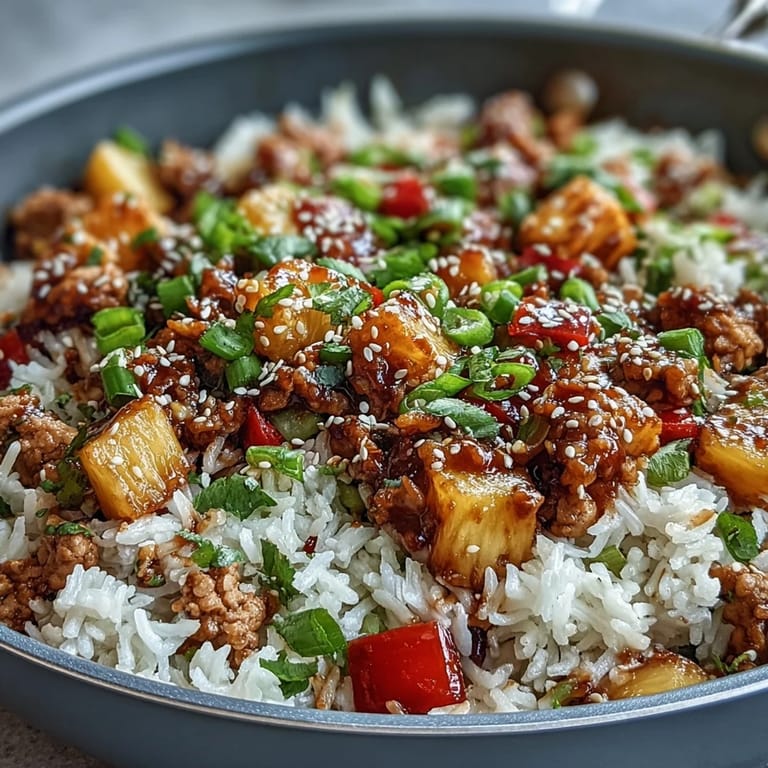
Save There's something about the sizzle of ground turkey hitting hot oil that makes me pause whatever I'm doing—it's a sound that promises something good is coming. One Tuesday evening, I was craving Korean flavors but had only ground turkey and leftover rice in my fridge, so I started playing around with gochujang and pineapple, two ingredients that shouldn't work together but somehow do. Twenty-five minutes later, I had a vibrant skillet dinner that tasted like I'd planned it all along, and my kitchen smelled like a fusion restaurant I'd been wanting to visit for months.
I made this for my sister's surprise visit on a random Friday afternoon when I had maybe two hours before she arrived, and it was the kind of meal that felt effortless but looked like I'd been planning it all week. She took one bite and texted her friends a photo, which still makes me laugh because it's not a fancy dish—it's just honest food that somehow feels special when you're sharing it with someone you haven't seen in too long.
Ingredients
- Ground turkey: It's leaner than beef and takes on flavors beautifully, plus it cooks quickly without needing constant attention.
- Red, green, and yellow bell peppers: The mix of colors isn't just pretty—each pepper brings a slightly different sweetness, and they soften just enough in 7 minutes total without turning mushy.
- Pineapple chunks: Fresh is ideal for texture, but canned drained pineapple works perfectly fine and sometimes feels less wasteful on a busy week.
- Gochujang: This Korean chili paste is the backbone of the flavor; it's funky, spicy, and deeply savory in a way that transforms a simple sauce into something memorable.
- Day-old cooked rice: Rice that's been refrigerated actually separates better and absorbs the sauce without turning into mush, so don't feel bad about using leftovers.
- Soy sauce, rice vinegar, and sesame oil: Together these three create the balance—salty, tangy, and nutty—that makes the whole dish sing.
- Sesame seeds and scallions: The garnish isn't an afterthought; those toasted seeds add crunch and nuttiness that makes every bite feel intentional.
Tired of Takeout? 🥡
Get 10 meals you can make faster than delivery arrives. Seriously.
One email. No spam. Unsubscribe anytime.
Instructions
- Brown the turkey:
- Heat a tablespoon of oil in your skillet over medium-high heat and add the ground turkey, breaking it into small pieces as it cooks. You'll know it's ready when there's no pink left and it's just starting to smell like toasted meat—about 5 to 6 minutes—then move it to a waiting plate.
- Build the aromatics:
- Add the remaining oil to the same skillet and let it get hot for just a moment before adding your onion and garlic, stirring until the raw edge softens and you can really smell the garlic waking up. This usually takes about 2 minutes, and you'll notice the kitchen starts smelling like something intentional.
- Cook the peppers:
- Toss in your diced bell peppers and let them sit for a minute before stirring, which helps them develop a tiny bit of color and keeps them from turning into mush. Three to four minutes is the sweet spot where they're still have some snap but taste cooked.
- Bring it all together:
- Return the turkey to the skillet, scatter in the pineapple chunks, and stir everything so they're distributed evenly and starting to get to know each other.
- Make the sauce magic:
- Whisk together your soy sauce, rice vinegar, ketchup, gochujang, brown sugar, and sesame oil in a small bowl—the mixture will look loose and a bit rough, but that's exactly right. Pour it over everything in the skillet and toss so every piece gets coated in that glossy, caramel-colored sauce.
- Bring the rice in:
- Add your cooked rice, breaking up any clumps with your spoon as you fold it in, and stir-fry everything together for about 3 to 4 minutes so the rice has time to heat through and absorb all that flavor. The whole pan should start looking unified and smell impossibly good.
- Taste and adjust:
- Before you finish, taste a spoonful straight from the pan and decide if it needs a pinch more salt, a drizzle more soy sauce, or extra gochujang for heat.
- Optional eggs:
- If you're frying eggs, heat a separate nonstick pan with just a touch of oil and fry them until the whites are set but the yolks still jiggle slightly when you move the pan around.
- Finish and serve:
- Scatter sesame seeds and sliced scallions over everything just before serving so they stay bright and add texture that reminds you this dish has layers.
 Pin it
 The moment my ten-year-old nephew asked for a second helping and declared it better than takeout was when I realized this recipe had somehow become part of our family routine. It's not fancy or complicated, but it tastes like care, and that's the kind of dish people remember.
The Sweet-and-Sour Balance That Works
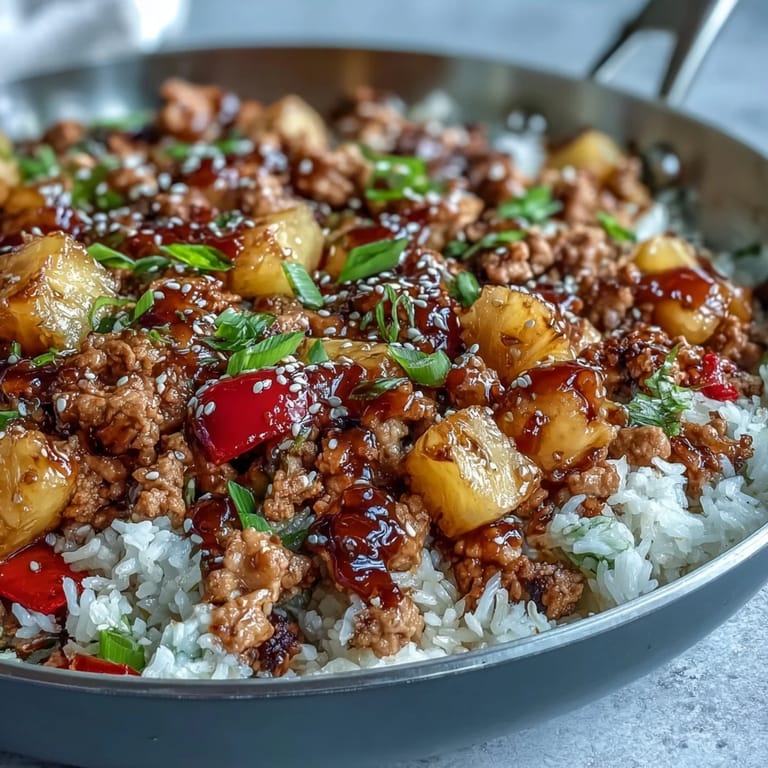
The first time I made this, I was suspicious that ketchup belonged in a Korean-inspired dish, but it turns out ketchup is your friend here—it adds a subtle sweetness and body to the sauce that keeps everything from tasting too acidic or too spicy. The brown sugar amplifies that sweetness, and the rice vinegar cuts through it with just enough tang that your mouth doesn't feel coated. Together with gochujang's fermented complexity, these ingredients create a sauce that tastes balanced and sophisticated, not like you dumped a bunch of random condiments together.
Why This Works as a One-Pan Dinner
One-pan dinners usually feel like a compromise, like you're trading quality for convenience, but this skillet avoids that trap entirely. Because you're layering flavors as you go—browning the turkey first, then building aromatics, then adding vegetables—each ingredient has a moment to shine and contribute something specific. By the time the rice goes in, the pan is already full of depth, so the rice doesn't taste plain or boring even though it's technically just the base.
Variations and Tweaks That Keep It Interesting
Once you understand how the flavors work together, you can play around with this recipe without worrying you'll break it. I've made it with ground chicken when I had that instead of turkey, and I've added snap peas or water chestnuts for extra crunch when I wanted something different. For a spicier version, just increase the gochujang by another tablespoon or toss in some red pepper flakes at the end—the base is flexible enough to handle adjustments without losing its identity.
- Try subbing half the rice with cauliflower rice for a lighter twist that still satisfies.
- A fried egg on top isn't optional if you love running a runny yolk through the rice.
- Leftovers taste even better the next day when the flavors have had time to settle and marry together.
 Pin it
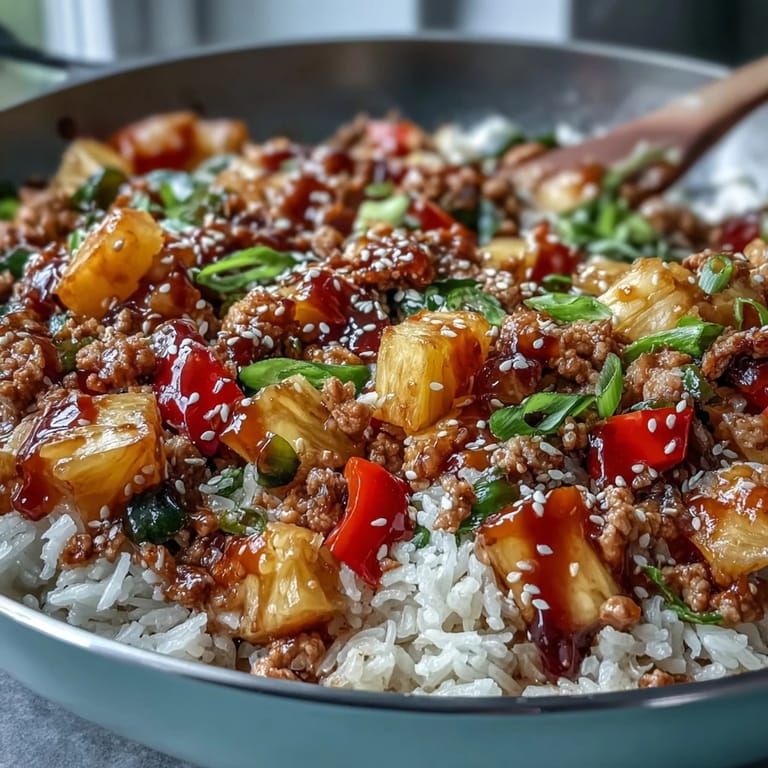
 This is the kind of recipe that proves you don't need a long ingredient list or complicated technique to make something that tastes like you put real thought into dinner. It's the food equivalent of a good conversation—everything present serves a purpose, nothing is wasted, and you leave the table happier than when you sat down.
Frequently Asked Questions
- → Can I use freshly cooked rice instead of day-old?
Freshly cooked rice can work, but day-old rice holds its texture better during stir-frying and absorbs the sauce without becoming mushy. If using fresh rice, spread it on a baking sheet to cool and dry slightly before adding to the skillet.
- → What can I substitute for gochujang?
Sriracha or Korean red pepper flakes mixed with a little miso paste can replace gochujang. For a non-spicy alternative, use additional tomato paste or hoisin sauce, though you'll lose the authentic Korean kick.
- → Is this dish freezer-friendly?
Yes, this skillet freezes well for up to 2 months. Cool completely before transferring to airtight containers. Thaw overnight in the refrigerator and reheat in a skillet with a splash of water or broth to refresh the rice.
- → How can I make this dish dairy-free?
This dish is naturally dairy-free as written. Just ensure your gochujang and other condiments don't contain hidden dairy ingredients. The fried egg garnish is optional—omit or use a vegan egg alternative.
- → What protein alternatives work in this skillet?
Ground chicken, pork, or even crumbled tofu work beautifully. For a vegetarian version, use extra-firm tofu or plant-based ground meat alternative. Adjust cooking times accordingly—tofu needs less time than meat.