 Save
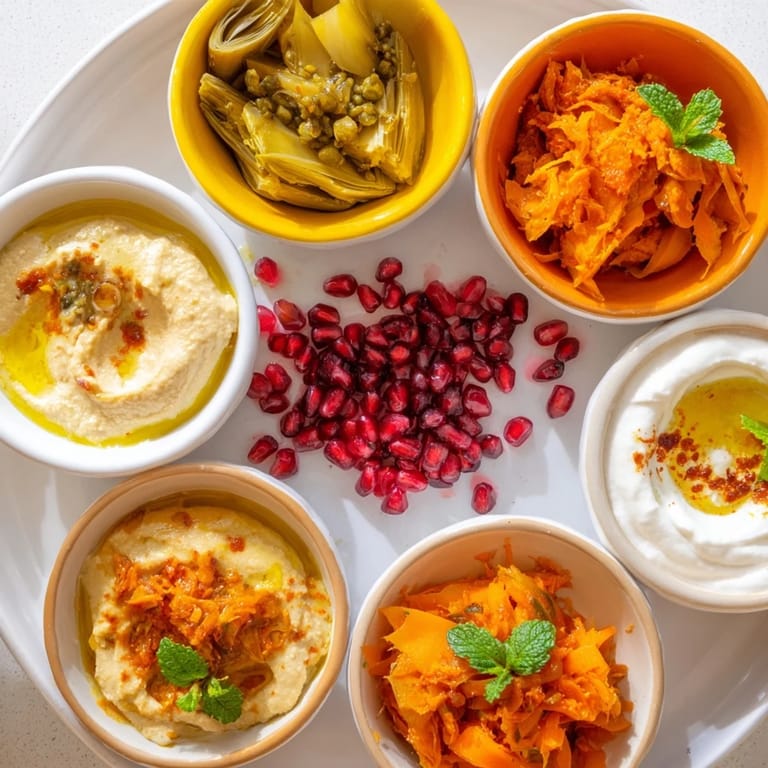
Save I first encountered a Moroccan tile mosaic platter at a small riad in Marrakech, where the host arranged a dozen jewel-toned bowls across an antique brass tray. Each bite was a discovery—creamy hummus giving way to smoky baba ganoush, then the bright bite of preserved lemon. That moment taught me that the most memorable meals aren't about perfection; they're about abundance, color, and the joy of choosing your own adventure with every morsel. Now, whenever I recreate this platter at home, I'm transported back to that courtyard, and my guests always feel that same sense of wonder.
The first time I made this for a dinner party, I was nervous about the arrangement. I spent nearly an hour positioning bowls like I was curating a gallery, worried about symmetry and balance. My partner walked in, laughed gently, and said, "It's supposed to feel like a vibrant market, not a museum." That permission to embrace imperfection changed everything. Now I arrange it with joy rather than anxiety, and somehow it always looks better that way.
Ingredients
- Classic hummus: The creamy anchor that brings everything together. Store-bought works beautifully, but homemade versions feel more special and control the salt level perfectly
- Baba ganoush: Roasted eggplant dip with a silky texture that balances the other flavors. Look for versions that aren't too aggressively garlicked so it plays well with others
- Muhammara: This red pepper and walnut dip is the star player—complex, slightly sweet, with a subtle heat that makes people keep coming back
- Labneh or Greek yogurt with zaatar: A cool, tangy counterpoint that refreshes the palate and adds that herbaceous, earthy note
- Roasted red peppers: Use jarred if fresh feel overwhelming, but slice them fresh if you have time for a more delicate texture
- Marinated artichoke hearts: These provide substance and a Mediterranean sophistication that feels special
- Moroccan carrot salad: Shredded carrots brightened with lemon and cumin create a dish with personality and crunch
- Preserved lemons: The secret ingredient that transports everything. Their complex, salty-sour quality is irreplaceable and worth seeking out
- Mixed Moroccan olives: Choose a variety if possible—the mix of colors and flavors makes the platter feel authentic
- Quick-pickled red onions: These add vinegary brightness and beautiful color that photographs like a dream
- Cornichons or baby gherkins: Small pickles that offer satisfying crunch without overwhelming the palate
- Roasted almonds: Unsalted so they don't compete with the seasoned elements already present
- Pistachios: Their nutty, slightly sweet flavor and gorgeous green color add richness and visual appeal
- Toasted sesame seeds: These bring a subtle nuttiness and textural contrast to every bite
- Baguette and mini pitas: The foundation for loading up on dips and vegetables. Toast them while your guests arrive for that warm, crispy perfection
- Pomegranate seeds: They're the garnish that makes people smile—jewel-like, tart, and visually stunning
- Fresh mint and cilantro: These herbs brighten everything and remind us we're in Mediterranean territory
- Sumac: A tangy spice that adds depth without heat. Sprinkle it thoughtfully for both flavor and that beautiful reddish hue
- Extra virgin olive oil: Don't skip quality here—it's the final flourish that pulls everything together
Tired of Takeout? 🥡
Get 10 meals you can make faster than delivery arrives. Seriously.
One email. No spam. Unsubscribe anytime.
Instructions
- Gather your vessels and supplies:
- Pull out 8 to 12 small colorful bowls or ramekins—this is where the mosaic begins. The more varied your bowl collection, the more authentic and beautiful your platter will look. Think about color harmony as you select them, like you're choosing paints for a canvas
- Prepare your dips ahead of time:
- If making from scratch, do this a day or two before. If using store-bought, let each dip sit at room temperature for about 30 minutes before serving so flavors bloom and textures soften invitingly. Taste as you go and adjust seasoning with a pinch of salt or squeeze of lemon
- Arrange dips in their bowls:
- Spoon each dip into its own bowl, creating a small well in the center with the back of your spoon. This isn't just practical—it's where you'll drizzle that precious olive oil later, creating a golden invitation to dig in
- Distribute vegetables and pickles:
- Place marinated vegetables and pickles in separate bowls, imagining you're distributing colors across your mosaic. Think about which bowls look beautiful together. The reds next to the greens, the pale yellows against deeper tones
- Fill bowls with olives, nuts, and seeds:
- Give each ingredient its own small bowl so guests can appreciate individual flavors and textures. A small spoon or fork in each bowl shows thoughtfulness and makes serving effortless
- Toast your bread while your guests arrive:
- The smell of warm bread toasting is one of hospitality's greatest weapons. Slice your baguette at an angle for elegance, quarter the pitas while they're still warm and flexible. The warmth matters—it makes everything taste more welcoming
- Arrange on your largest, most beautiful tray:
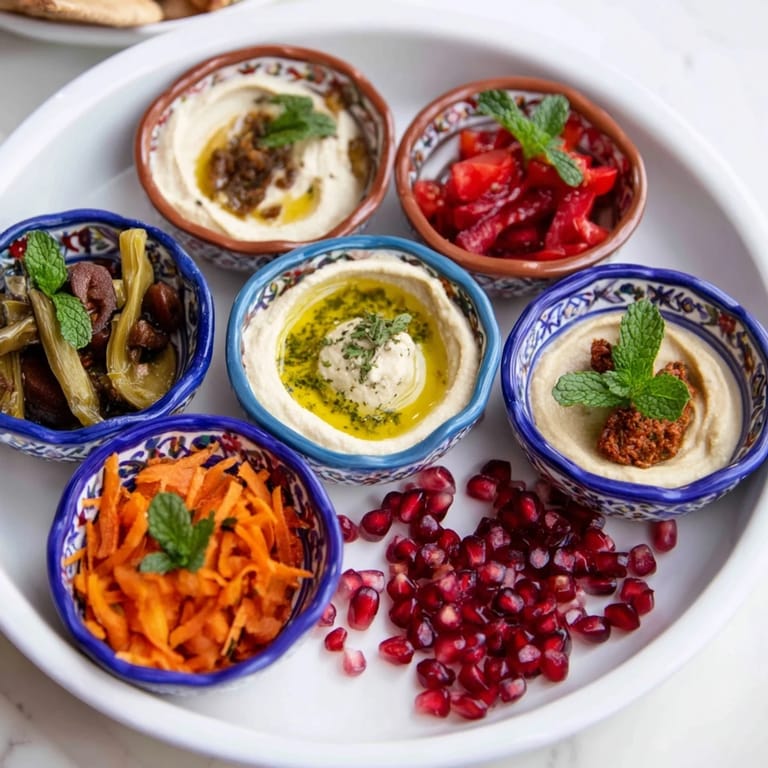
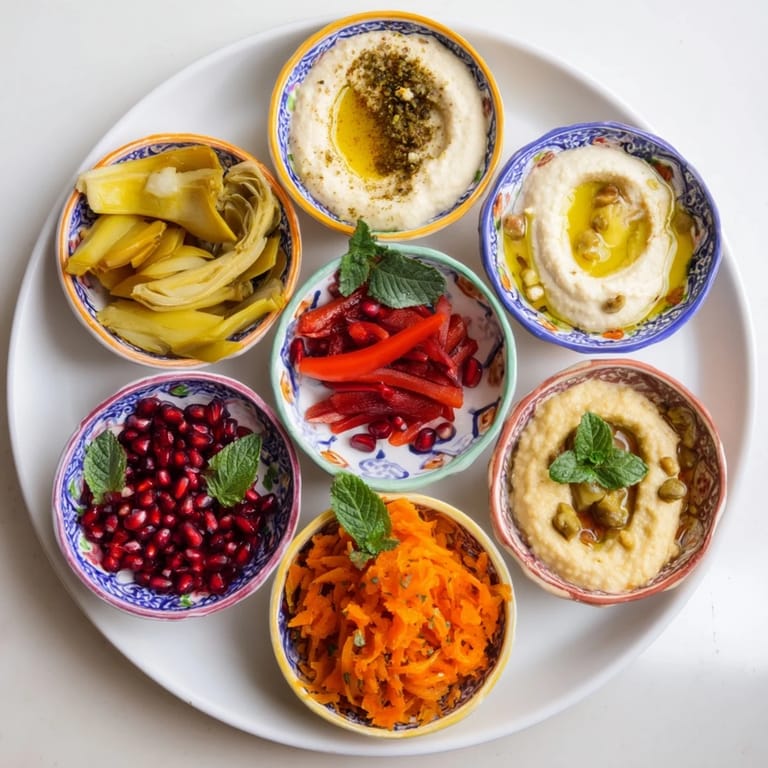
- Start with your bowls positioned loosely, like you're sketching rather than finalizing. Step back frequently and look at it from above, the way your guests will see it first. Play with the arrangement until it feels balanced but alive, not rigid
- Fill the gaps like an artist:
- This is where the magic happens. Scatter fresh herb leaves between bowls, sprinkle pomegranate seeds where they'll catch light, create small piles of nuts and seeds in the spaces between. Think of negative space as part of the design
- Anoint with olive oil:
- Just before serving, drizzle your best olive oil over the dips, letting it pool slightly in those wells you created. Dust sumac over the yogurt and a few other elements. This final flourish signals that something special is about to happen
- Bring to the table with confidence:
- Carry it like you're unveiling art, because you are. The moment of revelation—when people see the full platter—is part of the joy. Encourage them to break bread, share bowls, and mix flavors freely
 Pin it
 Years ago, my mother-in-law watched me fret over making this platter from scratch. She quietly pointed out that I was overthinking it, that the beauty was in the abundance and the generosity of offering so many flavors at once. That year, someone brought a friend I'd never met, and as we sat around the platter, that stranger said it was the most welcoming appetizer spread they'd ever experienced. That's when I truly understood—this dish isn't about technique. It's about making people feel seen and celebrated through food.
The Art of Arrangement
Moroccan tile design celebrates color, pattern, and the interplay of geometric shapes. Your platter should feel similar—intentional but not rigid. Spend a moment considering which colors will sit adjacent to each other. The deep burgundy of baba ganoush looks stunning next to the pale cream of hummus. Green herbs create natural resting places for the eye. Pomegranate seeds act like punctuation marks, drawing attention to key ingredients. This isn't just food styling; it's a reflection of the culture that inspired the dish, where beauty and function dance together.
Customizing Your Mosaic
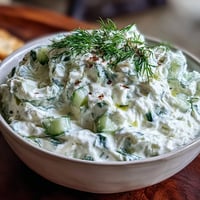
The framework of this platter is flexible because it's designed to celebrate whatever appeals to you and your guests. Fresh tomato slices, cucumber rounds, or thinly sliced radishes add crunch and brightness. Dried apricots or figs bring subtle sweetness. A bowl of creamy tzatziki adds cool, herbaceous notes. For non-vegetarian versions, warm halloumi cheese or merguez sausage transform this into something more substantial. For vegan adaptations, plant-based yogurt with fresh herbs works beautifully in place of labneh. The point is to honor the spirit of abundance while making it authentically yours.
Pairing and Serving
This platter deserves accompaniments that honor its roots and sophistication. Moroccan mint tea is the traditional choice—its cooling sweetness provides a graceful pause between flavors. A crisp white wine like Sauvignon Blanc or Vermentino complements the brightness beautifully. If serving as part of a larger meal, follow with something light so guests don't arrive at the main course already satisfied. The best part about this platter is how it encourages grazing and conversation. It's not meant to be finished quickly; it's meant to anchor an evening where people linger, taste, and connect.
- Pour mint tea into small glasses just before guests arrive—the ritual of sharing tea elevates the entire experience
- Keep bread warm in a cloth-lined basket to maintain that fresh, inviting aroma throughout service
- Refresh olive oil over dips midway through serving to maintain that gorgeous, appetizing appearance
 Pin it
 This platter is more than an appetizer—it's an invitation to slow down and enjoy food as a communal experience. Every time you make it, you're sharing a moment of beauty with the people you care about.
Frequently Asked Questions
- → What ingredients add authentic Moroccan flavor?
Traditional elements like zaatar, preserved lemons, cumin, sumac, and various olives bring genuine Moroccan aromas and tastes to the platter.
- → How can I make the platter vegan-friendly?
Replace labneh or Greek yogurt with plant-based yogurt alternatives and ensure all dips exclude dairy ingredients.
- → What type of bread pairs best with this selection?
Toasted baguette slices or gluten-free crackers provide a perfect vehicle to enjoy the dips and vegetables.
- → How do I arrange the platter for a mosaic effect?
Place colorful bowls in tight clusters on a large tray, filling spaces with nuts, herbs, and pomegranate seeds to mimic a tile mosaic pattern.
- → Can additional ingredients be added to customize the platter?
Yes, consider grilled halloumi, merguez sausage, seasonal vegetables, or extra dips like tzatziki to tailor flavors.